Lavender Orpington Chickens: Eggs, Temperament, and Genetics
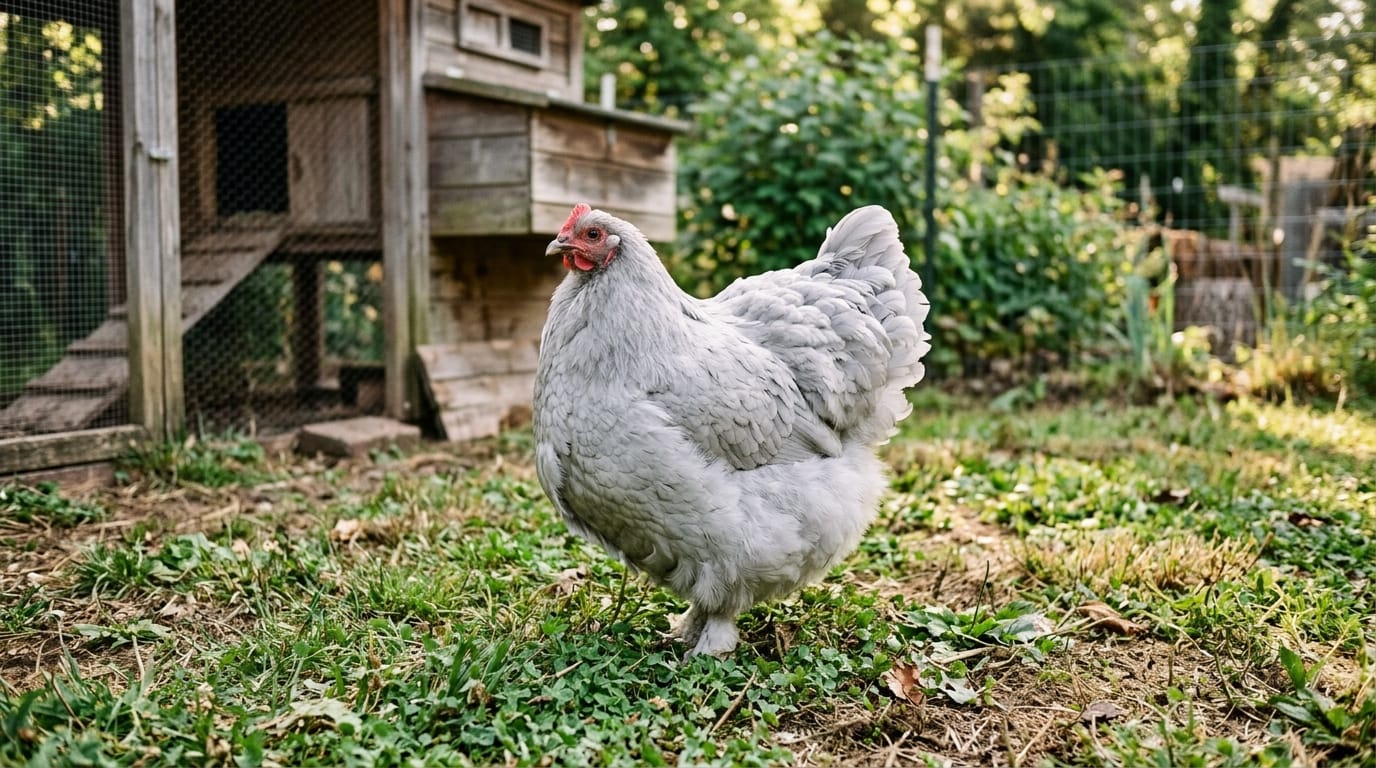
The first time you see a Lavender Orpington in person, the color stops you. It is not gray and not quite blue, a soft dove-lavender that looks almost dusted on, wrapped around a bird the size and shape of a feather pillow. People buy these chickens for that color, and then keep them for their temperament, which turns out to be even better than the feathers.
Lavender Orpingtons have become one of the most searched-for backyard chickens in the country, and a lot of that searching ends in confusion. Is lavender the same as blue? Will the chicks come out the same color as the parents? Are they good layers, or just pretty? Why do some cost three times what a Buff Orpington does?
This guide answers all of it: what a Lavender Orpington actually is, the genetics that make lavender different from blue (this is the one that trips everyone up), how many eggs to expect, their famously gentle temperament, and what to know before you pay a premium for the color.
Table of Contents
Lavender Orpington Overview
| Trait | Lavender Orpington |
|---|---|
| Type | Color variety of the Orpington breed (self-blue) |
| Egg color | Light brown to cream |
| Eggs per year | 150 to 200, medium to large |
| Starts laying | 5 to 7 months (about 22 to 28 weeks) |
| Hen size | Around 7 to 8 lb; a large, heavy bird |
| Temperament | Very docile, friendly, calm; a classic lap chicken |
| Broodiness | Frequent; they make excellent mothers |
| Cold hardy | Yes, very; dense, fluffy feathering |
| Lifespan | 8 to 10 years |
| Best for | Families and beginners who want a gentle, beautiful bird more than maximum eggs |
What Is a Lavender Orpington?
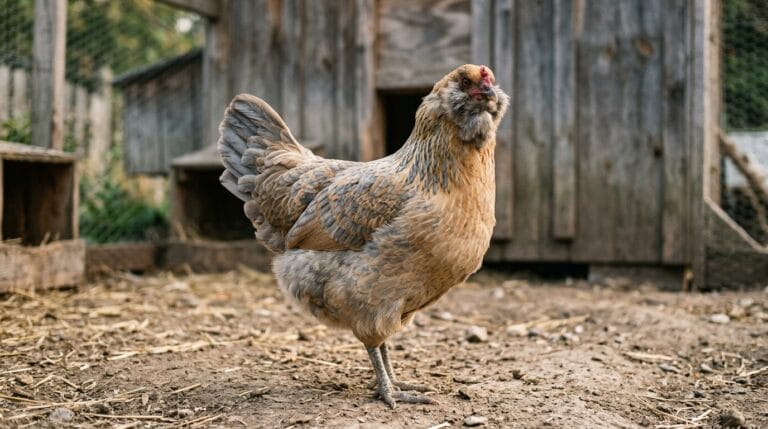
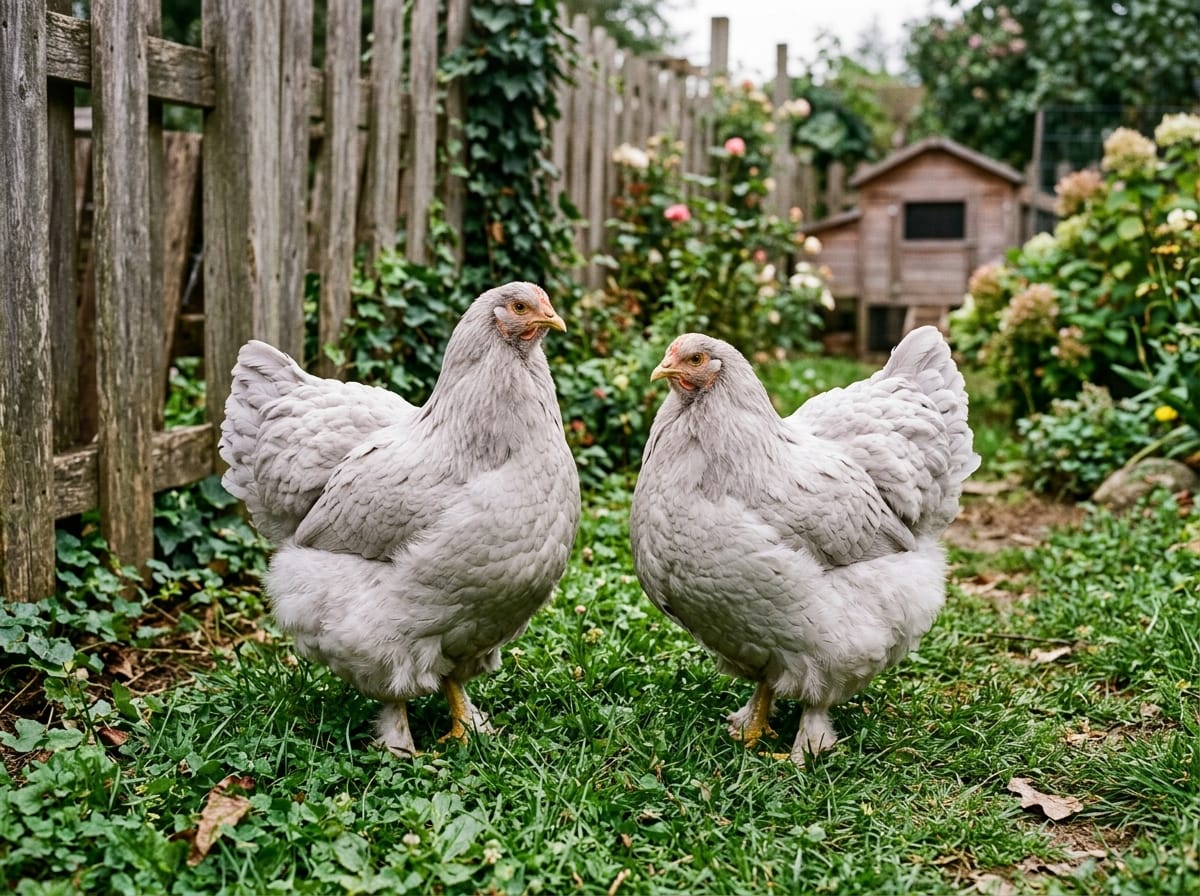
A Lavender Orpington is not a separate breed. It is a color variety of the Orpington, the big, soft, dual-purpose English breed that also comes in buff, black, white, and blue. What makes the lavender version special is purely the color, a soft, even, silvery-blue that breeders call self-blue.
Everything else is pure Orpington: a heavy, deep body of around 7 to 8 pounds, loose fluffy feathers that make the bird look even bigger than it is, a single comb, and the calm, friendly personality the breed is loved for. If you have met a Buff Orpington, you already know the temperament. The Lavender is that same gentle giant in a rarer coat.
One honest note on status: the Lavender Orpington is not a recognized variety in the American Poultry Association standard, which lists buff, black, white, and blue Orpingtons but not lavender. That does not make it any less of a wonderful backyard bird. It just means “Lavender Orpington” describes a color a lot of breeders produce, not an officially standardized show variety.
Lavender vs Blue Orpington: The Genetics That Confuse Everyone
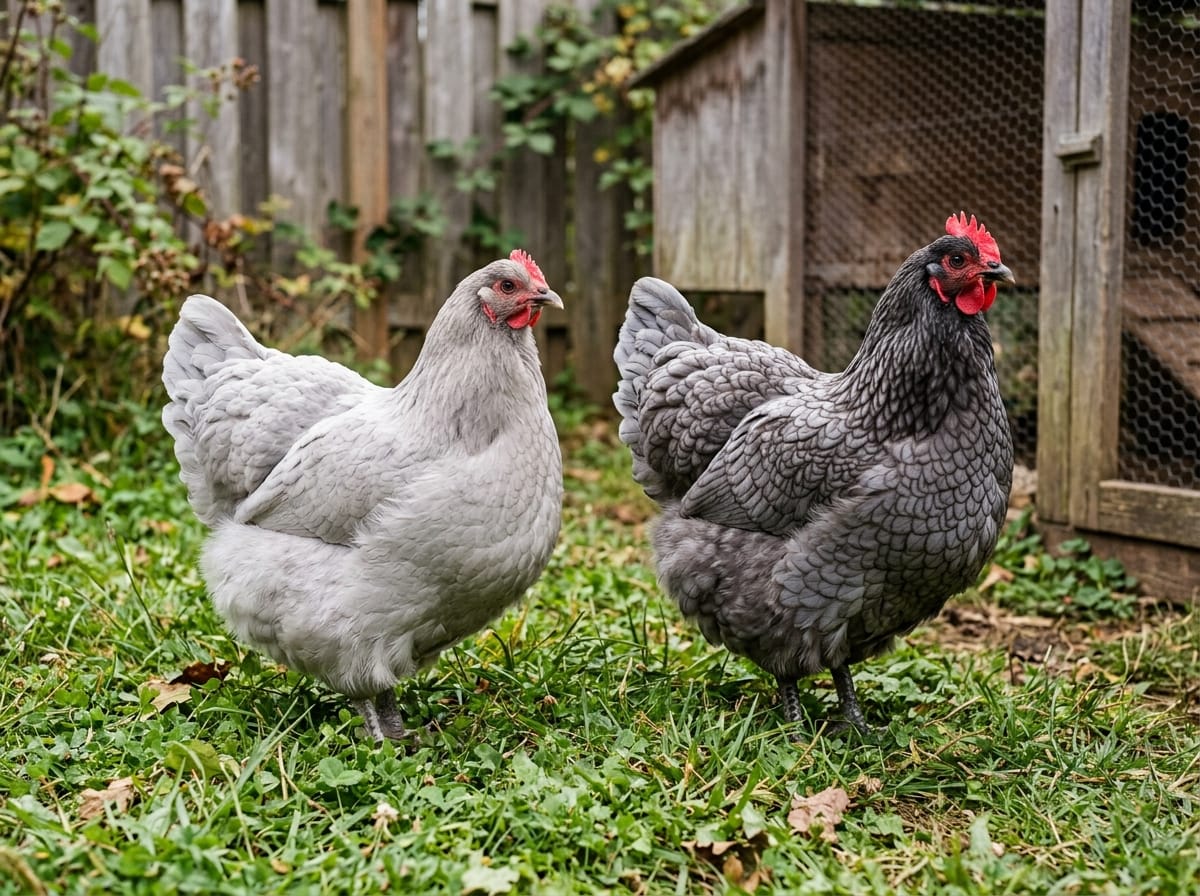
This is the single most misunderstood thing about the bird, and it matters a lot if you ever want to hatch your own. Lavender and blue look similar, but genetically they are opposites, and that changes what you get when you breed them.
Lavender is a recessive gene, and it breeds true. Because it is recessive, a bird only shows lavender if it carries two copies. The upside is beautiful: breed a lavender to a lavender and you get 100 percent lavender chicks, every time. A flock of lavenders stays a flock of lavenders.
Blue is a different gene, and it does not breed true. Blue comes from an incompletely dominant gene, so breeding blue to blue gives you a mix: roughly 50 percent blue, 25 percent black, and 25 percent splash (white with blue-gray flecks). You cannot get a consistent flock of blue birds from blue parents, which is exactly the opposite of lavender.
| Lavender (self-blue) | Blue | |
|---|---|---|
| Gene type | Recessive | Incompletely dominant |
| Breed lavender/blue to itself | 100% lavender | 50% blue, 25% black, 25% splash |
| Breeds true? | Yes | No |
| APA recognized? | No | Yes (since 1923) |
The practical takeaway: if you want a predictable flock of soft lavender birds, lavender is the easier color to keep true once you have two. If someone sells you a “blue” bird expecting blue chicks, know that blue is a genetic coin toss. And you may see the word “split,” which means a black-looking bird that carries one hidden copy of lavender. Breeders use splits to strengthen the line, but two splits only produce about 25 percent lavender chicks, so a true lavender flock takes planning.
Lavender Orpington Eggs: How Many and What Color
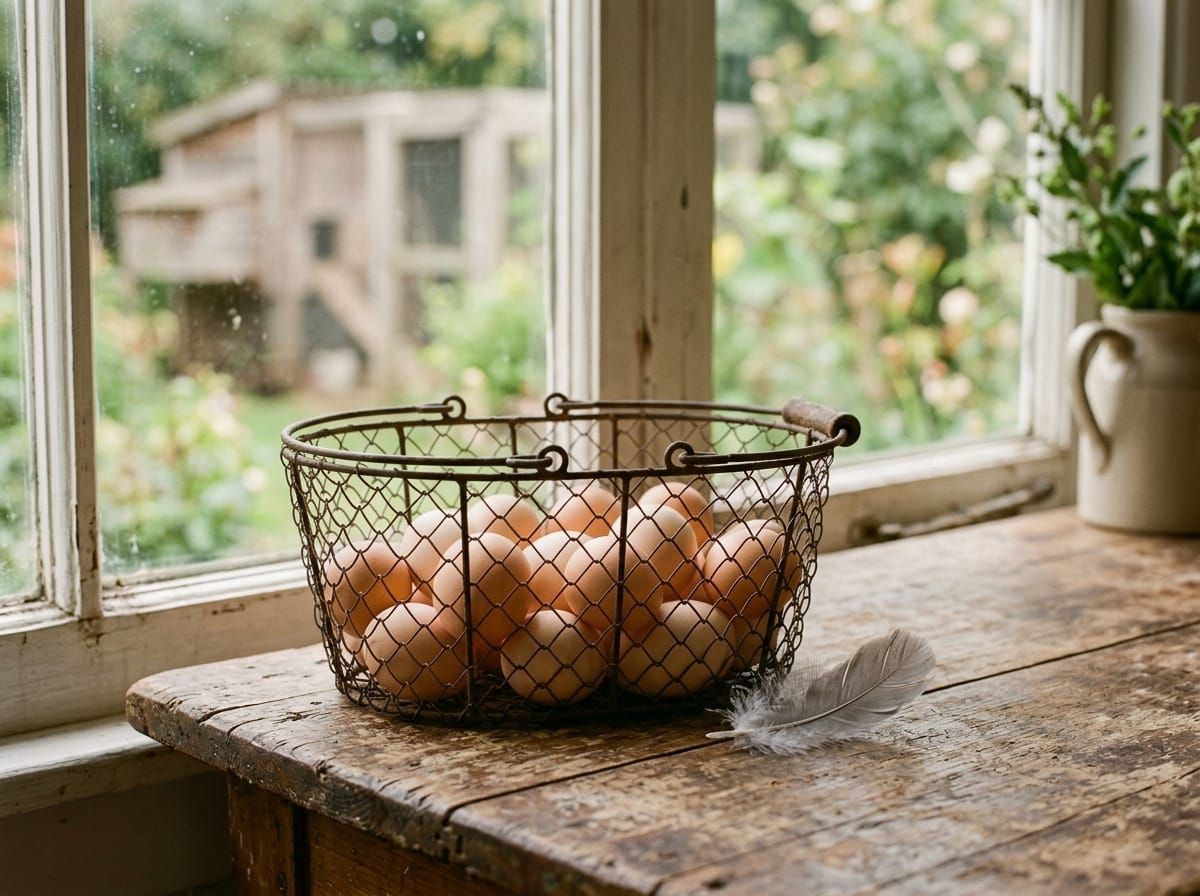
Here is where honesty matters, because the pictures sell these birds as more than they are for eggs. A Lavender Orpington lays roughly 150 to 200 light brown to cream eggs a year, which is about 3 to 4 a week. That is a respectable backyard number, but it is well below a production hybrid like an ISA Brown, which can nearly double it.
You keep a Lavender Orpington for the bird, not the egg count. If eggs are your main goal, our ranking of the best egg laying chickens points you toward the heavy hitters, and a smart flock pairs a couple of those with one or two Lavenders for looks and temperament. The eggs themselves are a pleasant light brown, medium to large, and the hens lay steadily through cold weather thanks to that heavy feathering. They also go broody often, which pauses laying while a hen sits, so factor that in if you are counting on a steady supply.
Most Lavender Orpingtons start laying later than lighter breeds, often 5 to 7 months rather than the 4 to 5 of a production bird. Our guide on when chickens start laying eggs covers the signs the first egg is close.
Lavender Orpington Temperament
This is the real reason to keep one. Orpingtons are the golden retrievers of the chicken world, and the Lavender is no exception: calm, friendly, slow-moving, and genuinely fond of people. They are the birds that will sit in a lap, follow a child around the yard, and tolerate being carried without a fuss. For a family flock, it is hard to do better.
That gentleness has one flip side worth knowing. Because they are so docile and slow, Lavender Orpingtons often land at the bottom of the pecking order in a mixed flock and can get bullied by pushier breeds. They also are not fast or wary enough to be great at escaping predators while free-ranging, so a secure coop and run matters more with these birds than with a flighty breed. Keep them with other calm chickens and give them safe space, and they thrive.
Equipment
What You Need
- A 10 by 10 inch brooder heating plate. Radiant heat with no glowing element, so none of the fire risk a heat lamp carries. Height-adjustable as the chicks grow, and it warms 15 to 20 of them.
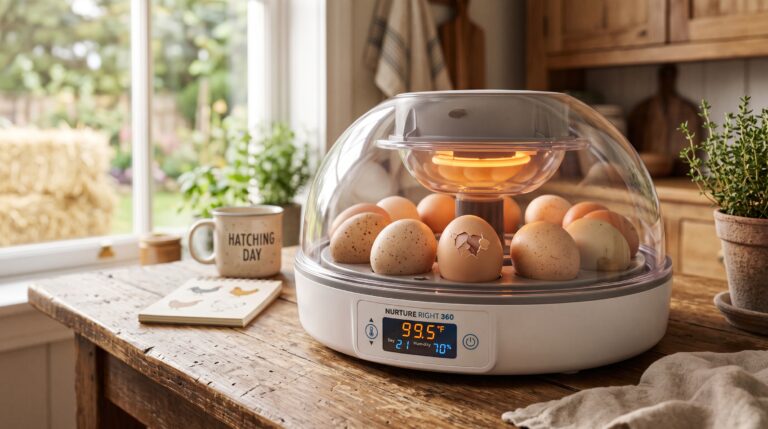
- An incubator, if you plan to hatch. Only needed if you are hatching rather than buying started pullets. We compared five, from a small starter unit to a cabinet.
- A coop with the right nest box count. One box per three to four hens is the working rule. Our build guide covers dimensions, ventilation and predator-proofing.
Some links above are affiliate links. If you buy through them we earn a small commission at no extra cost to you, and it does not change what we recommend. As an Amazon Associate, we earn from qualifying purchases.
Care, Broodiness, and Cold Hardiness
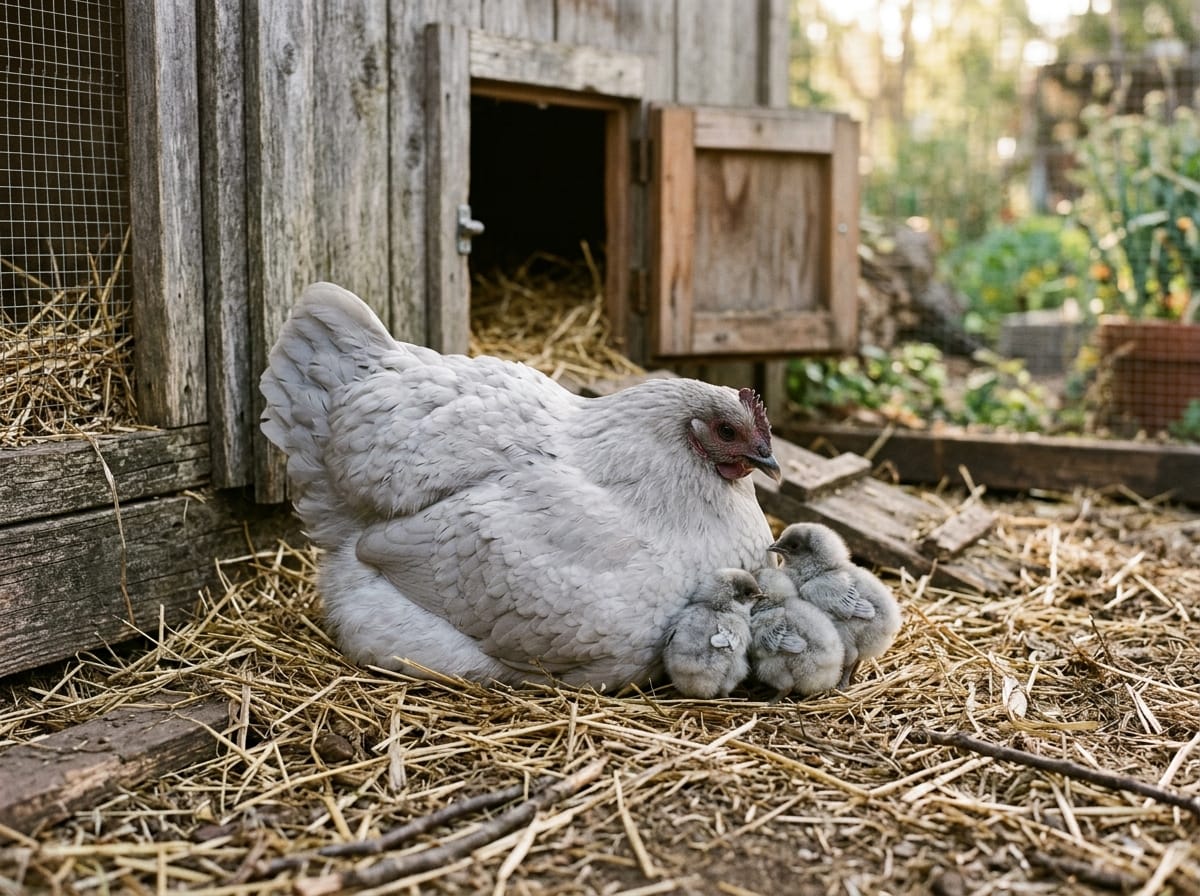
Lavender Orpingtons are easy keepers with two quirks. First, that thick, fluffy plumage makes them wonderfully cold-hardy, laying through winters that slow lighter breeds down, but it also means they can struggle in extreme heat. In hot climates, give them shade, cool water, and good airflow in summer.
Second, they go broody often and are excellent, devoted mothers. If you want to hatch chicks, a broody Orpington will happily do the work for you, and because lavender breeds true, a lavender hen and rooster give you a nest full of lavender chicks. If you would rather hatch in a machine, our guide to the best egg incubators for beginners covers that route. If you are not trying to raise chicks, frequent broodiness is just a periodic pause in laying to plan around.
One color-specific caveat: the lavender gene is linked to a feather-quality issue sometimes called the shredder gene, which can make feathers look frayed or ragged. Good breeders select against it, which is one more reason to buy from someone reputable rather than the cheapest source. Beyond that, they need the same feed, clean water, and properly sized nesting boxes as any large breed, with a little extra roost space for their size.
What About “Lavender Buff Orpingtons”?
You will see this term searched constantly, so it is worth clearing up: there is no true “lavender buff” Orpington in the sense of a single bird that is both colors. Lavender and buff are separate color varieties. The lavender gene dilutes pigment toward that soft gray, while buff is a warm golden color, and a bird is one or the other.
What people are usually seeing is one of two things: a breeder using buff Orpingtons in a lavender breeding project to improve type, or simply a listing that stacks popular search words together. If you want the soft gray bird, look for “Lavender Orpington” or “self-blue Orpington.” If you want the classic golden one, that is a Buff Orpington. They are cousins in the same breed, not a combined color.
Where to Buy Lavender Orpingtons and What to Pay
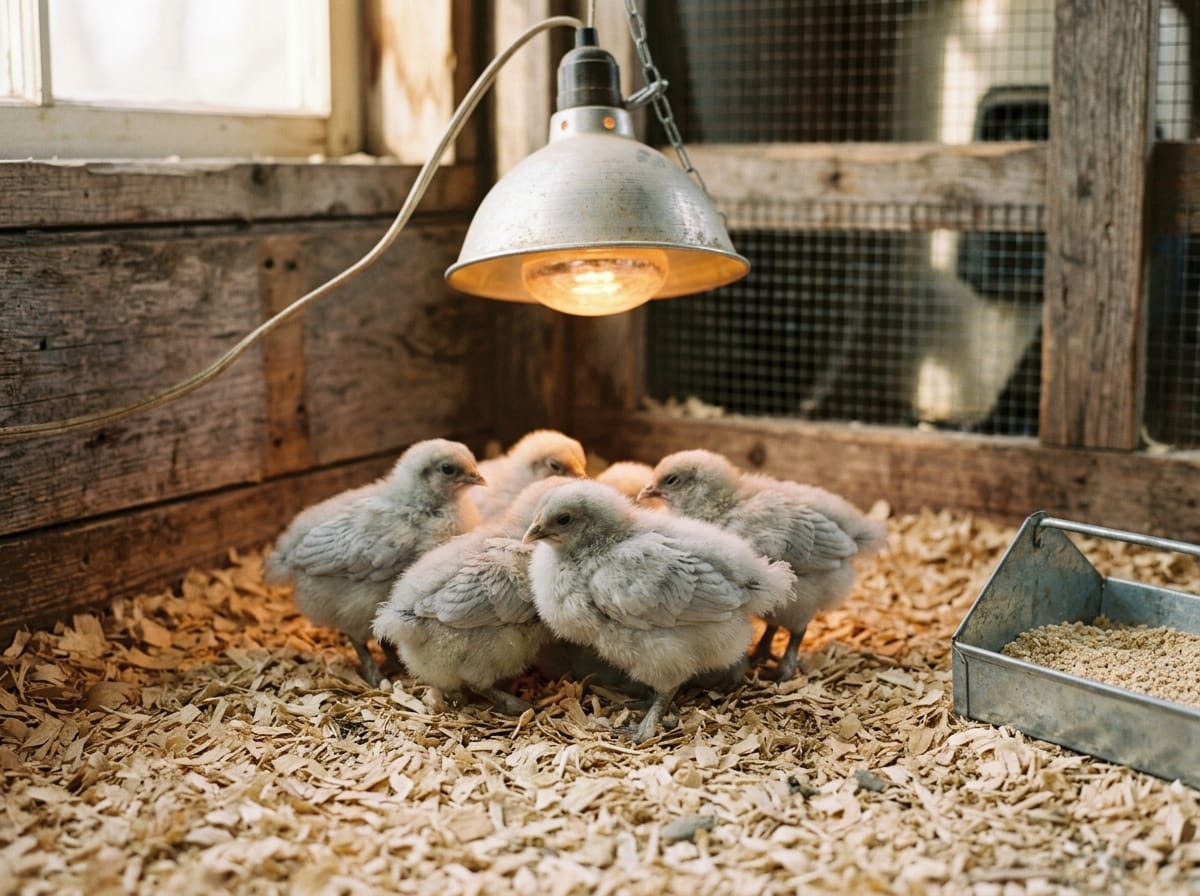
Lavender Orpingtons cost more than most backyard breeds, often several times the price of a Buff Orpington chick, because the recessive genetics make them slower to produce in quantity and the color is in high demand. That premium is normal for the breed; a suspiciously cheap “lavender” bird is worth a second look.
A few honest pointers before you buy. Order from a reputable hatchery or breeder who selects for feather quality, not just color, given the shredder-gene issue above. Buy sexed pullets unless you want to gamble on roosters, since Orpingtons are not color-sexable as chicks. And know that “English” Lavender Orpingtons (a heavier, fluffier show type) and “American” lines differ in size and price, so ask which you are getting. If you want eggs this season rather than in six months, look for started pullets already close to laying. Whichever route you choose, a Lavender or two pairs beautifully in a beginner-friendly flock alongside a steady brown-egg layer.
From the In Homestead Shop
Starting your first flock?
The Backyard Chickens Starter Guide covers your whole first year: choosing the best breeds for eggs, plus breeds, feed, and daily care, sourced from cooperative extension guidance and the Merck Veterinary Manual, with two printables.
The Free Garden Starter Pack
Five printable pages that take the guesswork out of a first season, plus a short email every week or two when something is worth planting, picking, or putting up.
- A garden planning worksheet you can actually fill in
- A seed-starting and planting calendar
- A harvest log to track what really produced
No spam, ever. Unsubscribe in one click.
Thank you. You are on the list.
Your Garden Starter Pack is ready right now. Grab it here:
Download the pack (PDF)Keep an eye on your inbox. The next seasonal guide lands there first.
Frequently Asked Questions About Lavender Orpingtons
Do Lavender Orpingtons breed true?
Yes. Lavender is a recessive gene, so a lavender rooster over lavender hens produces 100 percent lavender chicks. This is the main genetic difference from blue Orpingtons, which do not breed true and throw a mix of blue, black, and splash.
How many eggs do Lavender Orpingtons lay?
About 150 to 200 light brown eggs a year, or 3 to 4 a week. They are moderate layers kept more for temperament and looks than for maximum production, and frequent broodiness pauses laying while a hen sits.
What color eggs do Lavender Orpingtons lay?
Light brown to cream. The soft lavender feather color has no effect on egg color; despite the name, they do not lay purple or lavender eggs.
Are Lavender Orpingtons good for beginners?
Very. They are among the calmest, friendliest chickens you can keep, tolerant of handling and great with children. The main cautions are that they can be bullied by assertive breeds and are vulnerable while free-ranging, so keep them with gentle flockmates and a secure coop.
What is the difference between a Lavender and a Blue Orpington?
Color genetics. Lavender is a recessive self-blue that breeds true, so lavender parents give all lavender chicks. Blue comes from an incompletely dominant gene that does not breed true, giving blue, black, and splash offspring. Blue is APA-recognized; lavender is not.
Why are Lavender Orpingtons so expensive?
High demand for the color plus recessive genetics that make them slower to produce in volume. Quality breeders also have to select carefully for feather quality because the lavender gene can carry a feather-shredding trait, and that careful breeding adds to the price.
Final Thoughts
A Lavender Orpington is a bird you buy with your eyes and keep with your heart. The color is what pulls people in, but it is the fence-post-calm temperament, the winter-hardy toughness, and the devoted broody hens that make people keep them for years.
Go in clear-eyed: they are moderate layers, not egg machines, and they cost more than a common breed. If what you want is a gentle, gorgeous, cold-hardy hen that your kids can carry around the yard, order two or three sexed pullets from a breeder who cares about feather quality, and pair them with a reliable brown-egg layer so the basket stays full. It is one of the most rewarding chickens a backyard flock can have.