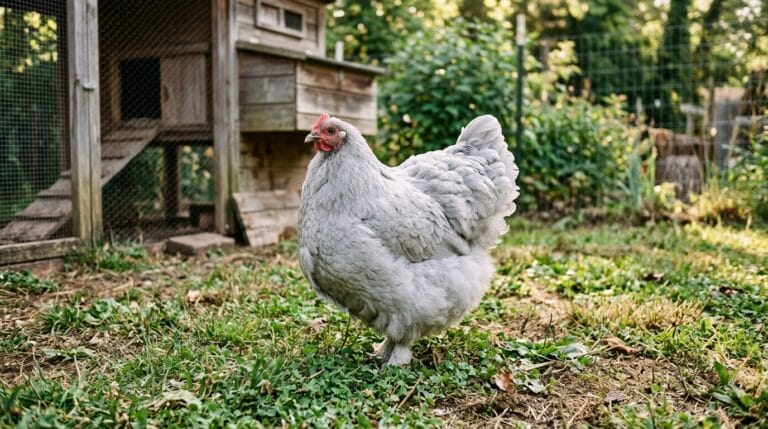
When Do Chickens Start Laying Eggs? (Age, Signs, and Breed Chart)
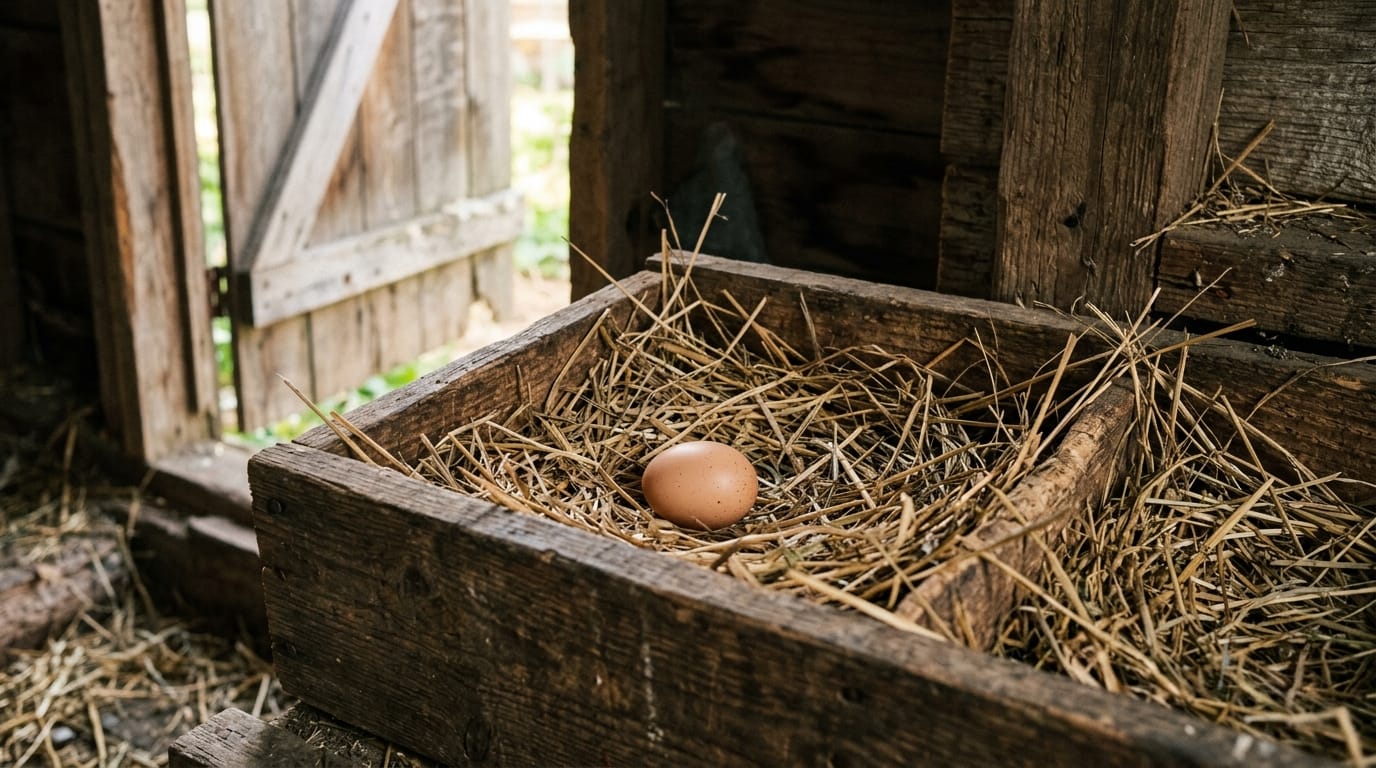
There is a stretch in late summer when you start checking the nesting boxes every single day, certain that this is the morning. You raised the chicks from fluffballs, watched them feather out and grow, and now you are waiting on that first egg with more anticipation than seems reasonable for a chicken.
Most hens start laying somewhere between 18 and 24 weeks of age, but the exact timing depends on the breed, the season, and how the birds are cared for. This guide covers when to expect that first egg, the signs it is coming, and why some hens take longer than others.
At What Age Do Hens Start Laying?
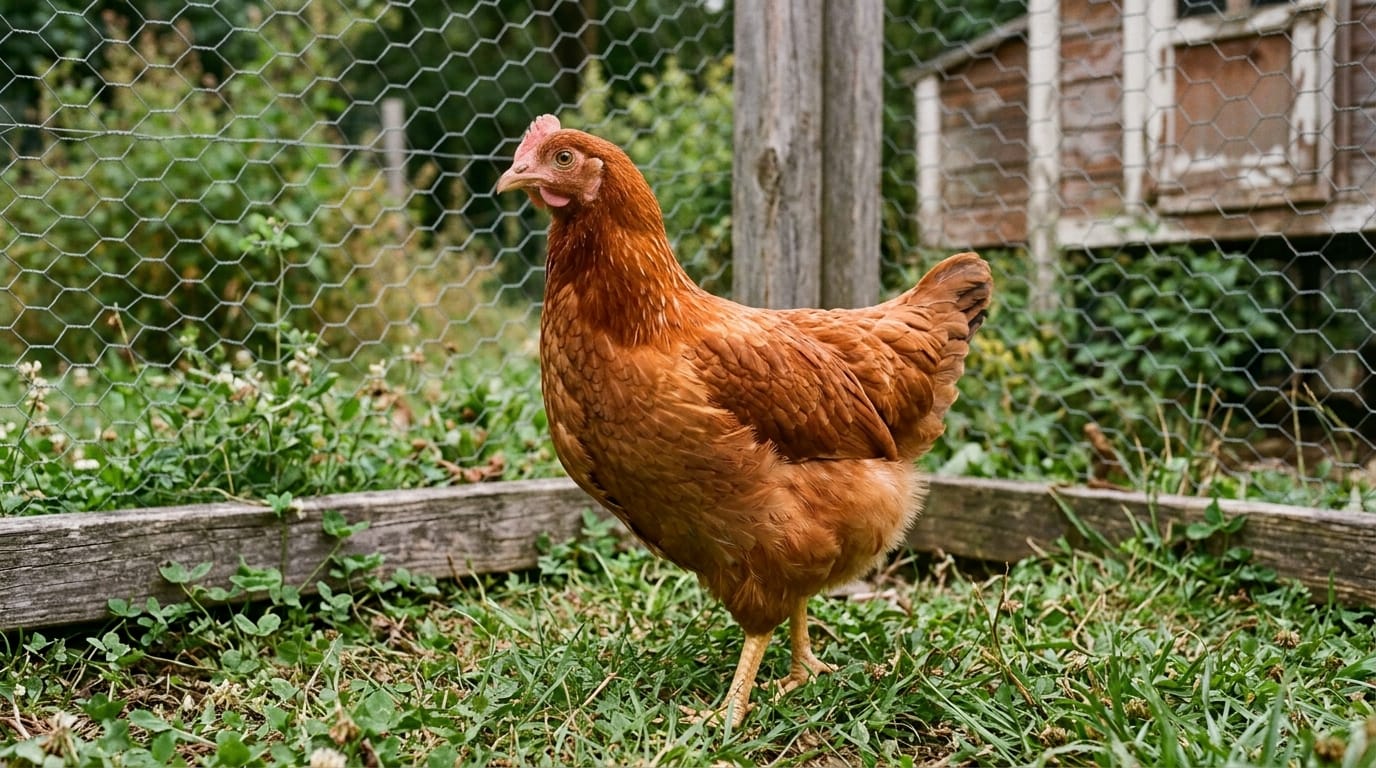
Most hens lay their first egg between 18 and 24 weeks old, or roughly 4.5 to 6 months. Poultry specialists at University of Minnesota Extension put the typical start of lay at about 20 weeks under good management, so a 5 month old pullet with no eggs yet is not behind schedule. Lighter production breeds often start on the early end, while larger heritage breeds take longer to mature. The first eggs are usually small, sometimes oddly shaped, and may have thin or soft shells. That is completely normal and sorts itself out within a few weeks as the hen’s system settles into a rhythm.
Laying Age by Breed
Breed is the biggest factor in timing. Hybrids bred for egg production mature fast, while big dual-purpose and ornamental breeds take their time.
| Breed type | Examples | Typical first egg |
|---|---|---|
| Production hybrids | ISA Brown, Golden Comet, Leghorn | 16–18 weeks |
| Dual-purpose | Rhode Island Red, Plymouth Rock, Australorp | 18–22 weeks |
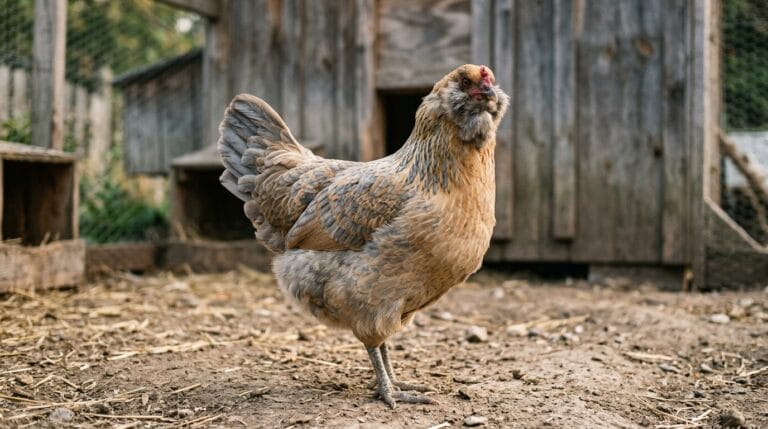
| Large heritage | Orpington, Brahma, Wyandotte | 24–28 weeks |
If getting eggs quickly matters to you, the best egg-laying chickens are the production hybrids near the top of that chart. For a calmer, longer-lived flock, the heritage breeds in our best chicken breeds for beginners are worth the extra few weeks of waiting.
Signs a Hen Is About to Start Laying
Your hens will tell you it is coming if you know what to watch for.
- Reddening comb and wattles. As a pullet matures, her pale comb and wattles deepen to a bright red.
- The submissive squat. A hen close to laying will crouch low with her wings out when you reach toward her, a sign she is ready to mate and to lay.
- Investigating the nesting boxes. She starts climbing in, scratching around, and arranging the bedding.
- A bigger appetite and more vocal behavior. Many hens get louder and hungrier in the days before the first egg.
Equipment
What You Need
- Aspen nesting pads sized for a 12 by 12 box. Excelsior pads let droppings fall through and cushion the eggs, so fewer crack and you are not scrubbing them. Lift the old one out, drop a fresh one in.
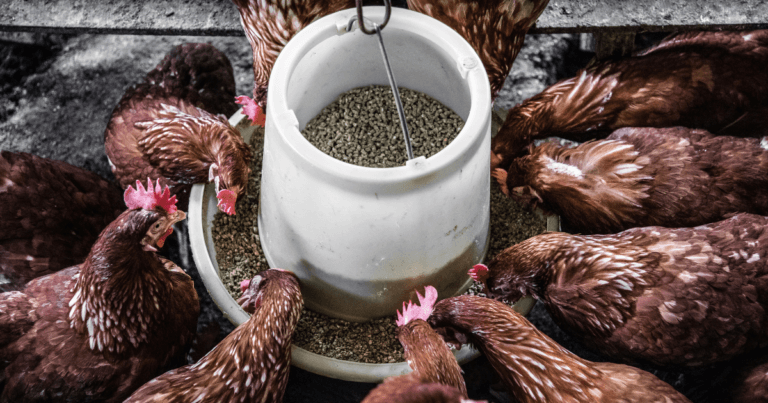
- A feeder and waterer sized to your flock. We compared five of each for beginners. The short version is that a hanging or port-style feeder wastes far less than an open trough.
- Feed, grit and oyster shell. Buy these locally. They are heavy, cheap per pound, and every farm store carries them, so shipping rarely makes sense. Oyster shell goes in a separate dish rather than mixed into the feed.
Some links above are affiliate links. If you buy through them we earn a small commission at no extra cost to you, and it does not change what we recommend. As an Amazon Associate, we earn from qualifying purchases.
Your First Eggs: What to Expect
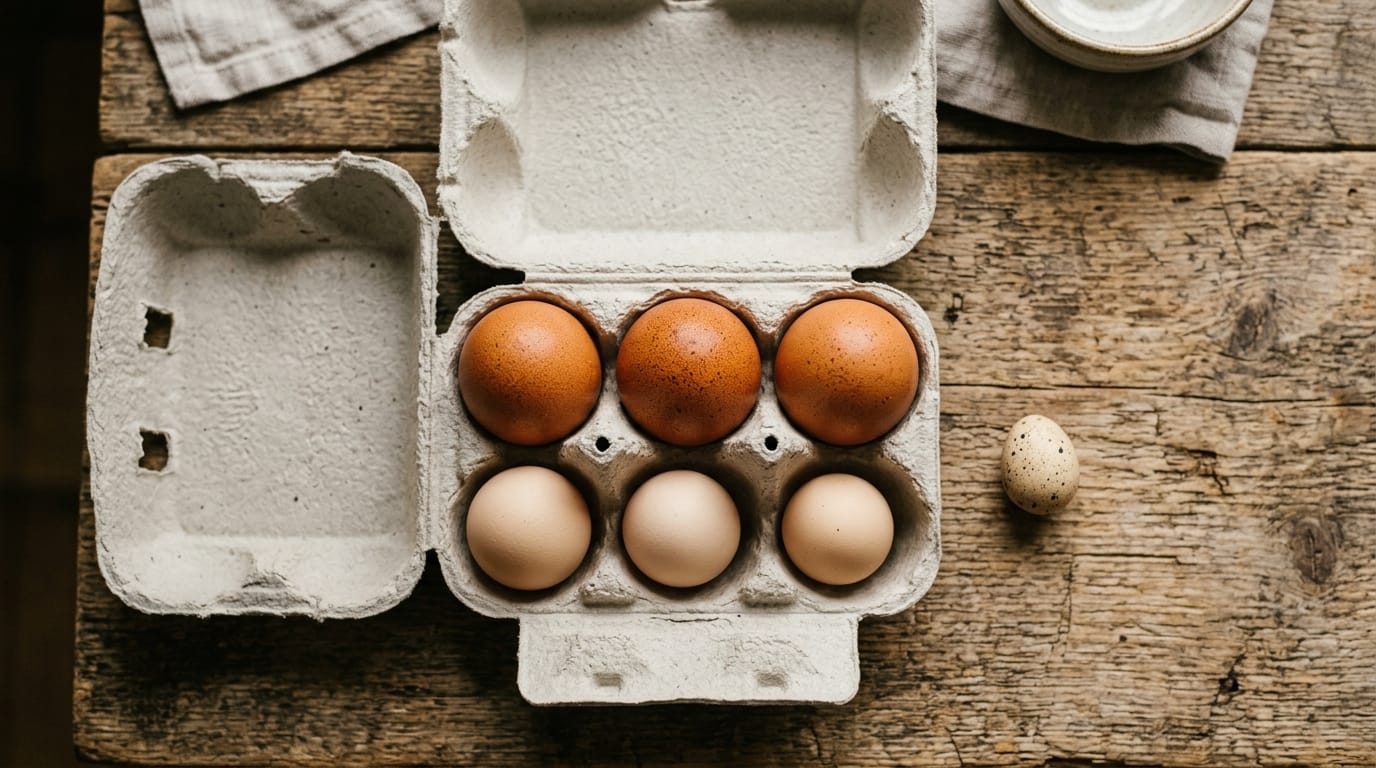
The first few weeks of laying are wonderfully imperfect. Pullet eggs run small, sometimes half the size of what the breed will eventually lay, and the shells can be thin, wrinkled, or oddly shaped while the hen’s system calibrates. You may even find a tiny yolkless egg, sometimes called a fairy egg, or a double yolker. All of it is normal and settles down within a month or so.
New layers also do not always find the nesting box on the first try. Check corners, under ramps, and behind feed cans for a while, because a hidden stash is common. If you do find one and cannot tell how old the eggs are, our guide on how to test eggs for freshness sorts the keepers from the compost in about a minute.
What Affects When Chickens Start Laying
Beyond breed, the biggest factor is daylight. Hens need about 14 to 16 hours of light a day to lay consistently, so a pullet that reaches laying age in fall, as the days shorten, may hold off until spring unless you add supplemental light. Good nutrition matters too: switch your birds to a layer feed at about 18 weeks or when the first egg appears, so they get the extra calcium for strong shells. Make sure they have the right setup waiting, including the correct size of hen nesting box, so they have a tidy place to lay from the start.
How to Encourage That First Egg
You cannot rush a pullet, but you can remove the obstacles. Give her 14 to 16 hours of light, switch to a calcium-rich layer feed at about 18 weeks, and place a ceramic or wooden egg in the nesting box so she learns where laying happens. Keep the feeder and waterer full and in the same place every day, since a hungry or thirsty bird puts laying on hold.
Just as important is what not to do. Avoid moving the flock, adding new birds, or changing the coop layout right at point of lay, because stress delays that first egg more than anything else. And go easy on scratch and treats, which dilute the protein a maturing pullet needs. Feed, light, calm, and a quiet place to lay cover almost everything in your control.

Starting your first flock?
Our Backyard Chickens Starter Guide covers housing, feeding, and health for your whole first year, step by step.
The Free Garden Starter Pack
Five printable pages that take the guesswork out of a first season, plus a short email every week or two when something is worth planting, picking, or putting up.
- A garden planning worksheet you can actually fill in
- A seed-starting and planting calendar
- A harvest log to track what really produced
No spam, ever. Unsubscribe in one click.
Thank you. You are on the list.
Your Garden Starter Pack is ready right now. Grab it here:
Download the pack (PDF)Keep an eye on your inbox. The next seasonal guide lands there first.
Frequently Asked Questions About Hens and Laying
Do you need a rooster for hens to lay eggs?
No. Hens lay eggs with or without a rooster. You only need a rooster if you want fertilized eggs that can hatch into chicks. For eating eggs, a flock of hens is all you need.
Why are my hens not laying yet?
The most common reasons are age and daylight. If your hens are under 18 to 24 weeks, they may simply not be ready, and birds maturing in fall often wait until the days lengthen in spring. Stress, a recent move, molting, and poor nutrition can also delay laying.
How long do hens keep laying eggs?
Hens lay most heavily for their first 2 to 3 years, then slowly taper off while continuing to live for many more years. See our guide to how long chickens live for the full picture of laying years versus lifespan.
Do hens lay an egg every day?
Not quite. A hen’s laying cycle runs about 25 to 26 hours, so the lay time drifts later each day until she skips a day and resets. Most good layers give 4 to 6 eggs a week at their peak, and production dips during molt and the short days of winter.
What time of day do chickens lay eggs?
Mostly in the morning, usually within about 6 hours of sunrise. Because the cycle drifts a little later each day, an individual hen’s lay time slides toward afternoon before resetting to morning after a skipped day.
The Bottom Line
Expect your first egg somewhere between 18 and 24 weeks, earlier for production hybrids and later for big heritage breeds. Watch for the red comb and the submissive squat, keep the birds on good feed with enough daylight, and have the nesting boxes ready. The first small egg is worth all the morning checks.