Best Chicken Breeds for Beginners (2026 Guide)
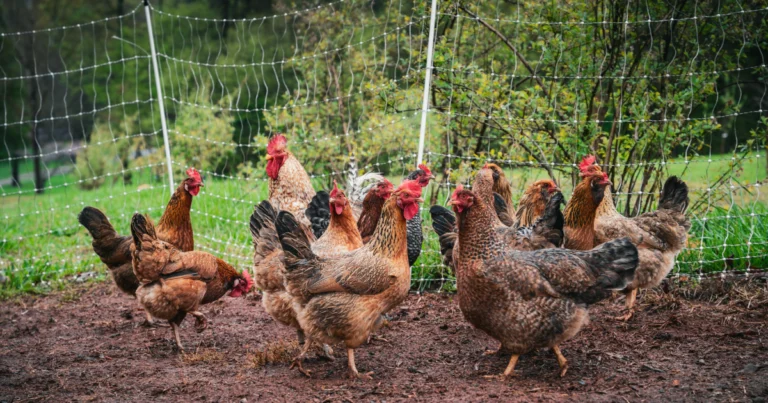
Choosing the best chicken breeds for beginners is one of the most important decisions you will make when starting your backyard flock. The right breed can mean the difference between a rewarding experience and a frustrating one. Some chickens are calm and easy to handle, some are cold-hardy, and others are simply egg-laying machines. This guide walks you through the top beginner-friendly breeds, what to expect from each one, and how to pick the perfect match for your homestead goals.
Table of Contents
Why Breed Choice Matters for New Chicken Keepers
Not all chickens behave the same way. Some breeds are flighty and hard to catch, while others will happily eat from your hand on day one. As a beginner, you want a breed that tolerates confinement well, adapts to your local climate, stays calm around children and pets, and produces a reliable supply of eggs or meat. Starting with a difficult breed can lead to unnecessary stress for both you and your birds. Taking a little time to research upfront saves a lot of headaches later.
When evaluating any breed, consider these four factors: temperament, egg production, hardiness, and size. A breed that scores well in all four areas is almost always a safe bet for someone just getting started with backyard chickens.
Best Chicken Breeds for Beginners: Our Top Picks
The following breeds consistently appear on recommended lists for new flock owners. Each one has a proven track record of being manageable, productive, and adaptable to a variety of living situations.
1. Rhode Island Red
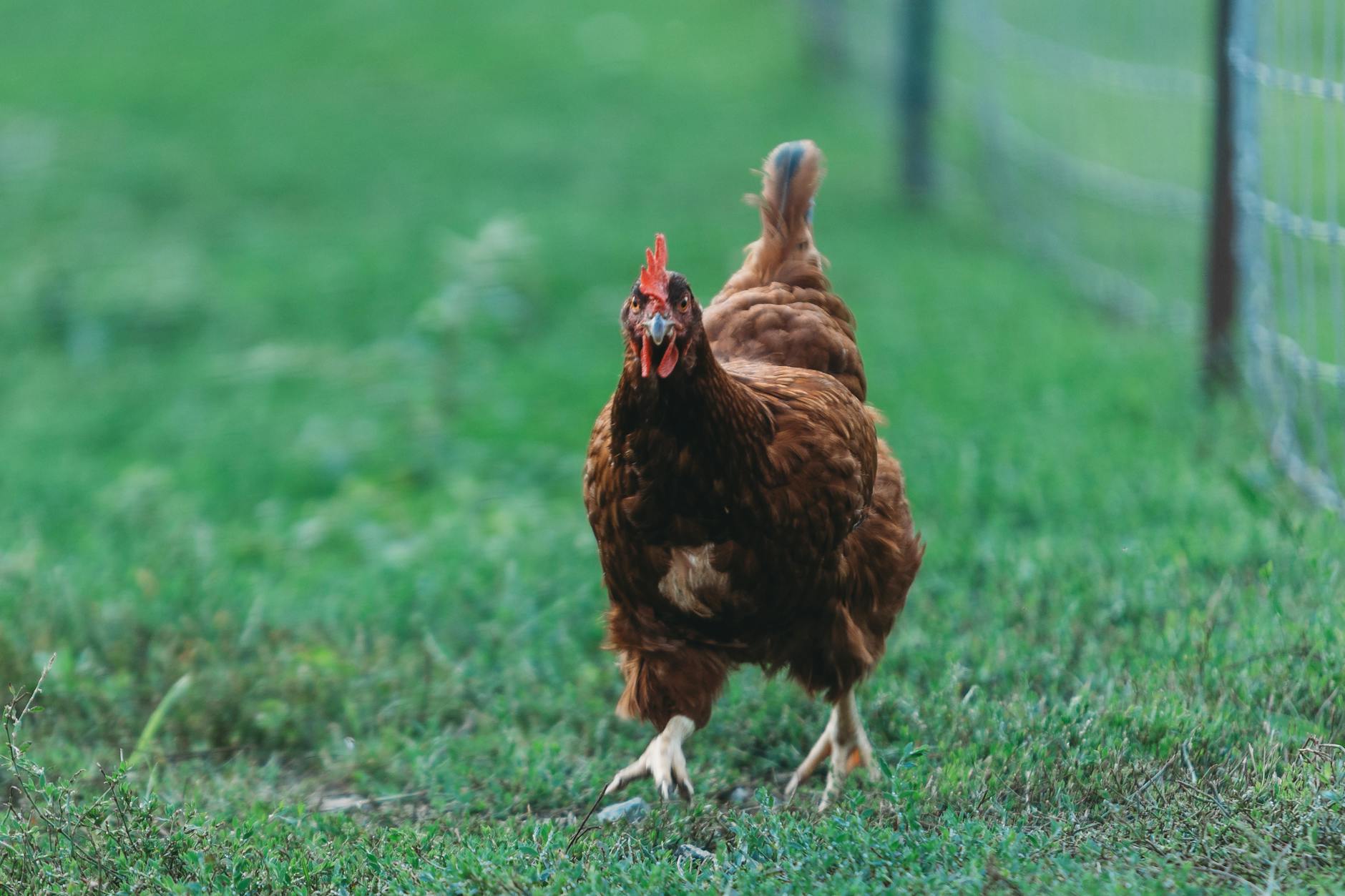
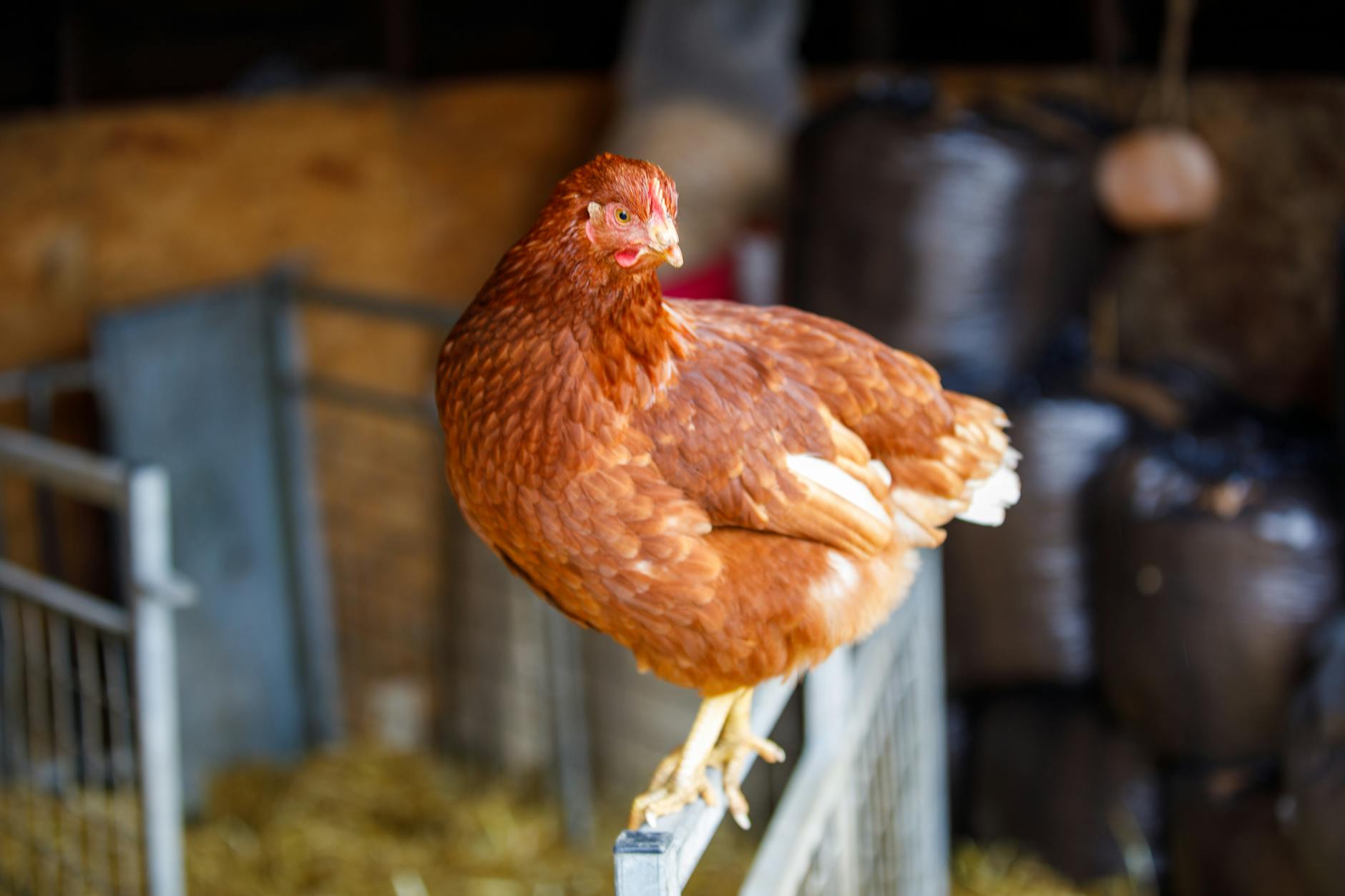
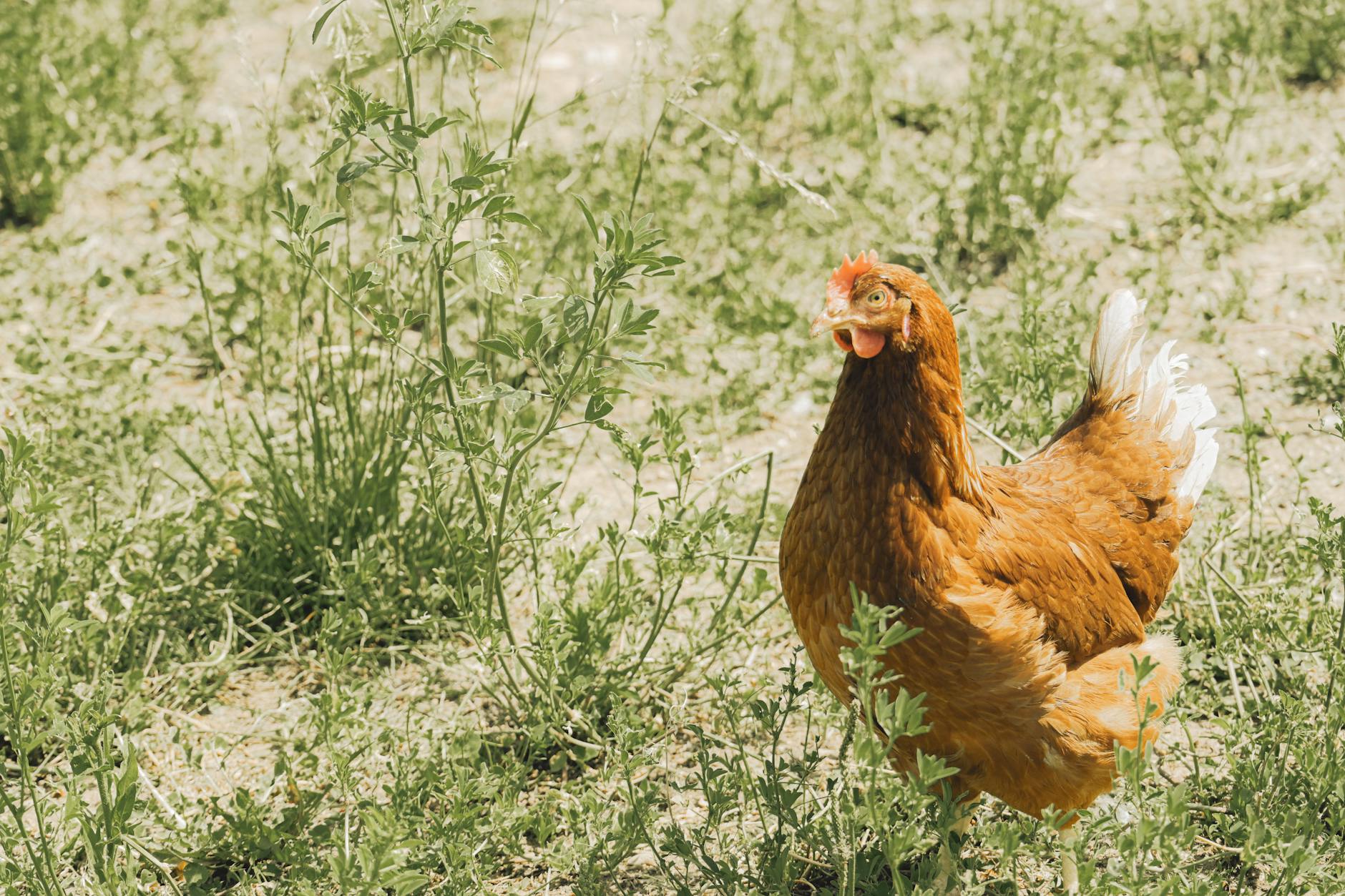
The Rhode Island Red is arguably the most popular choice among beginner chicken keepers in North America. These birds are tough, adaptable, and excellent layers of large brown eggs. A healthy hen can lay roughly four to five eggs per week throughout her peak laying years. Rhode Island Reds handle both cold and warm climates reasonably well and are known for their curious, confident personalities. They do well in both free-range and confined setups, making them very flexible for different homestead styles.
2. Plymouth Rock (Barred Rock)
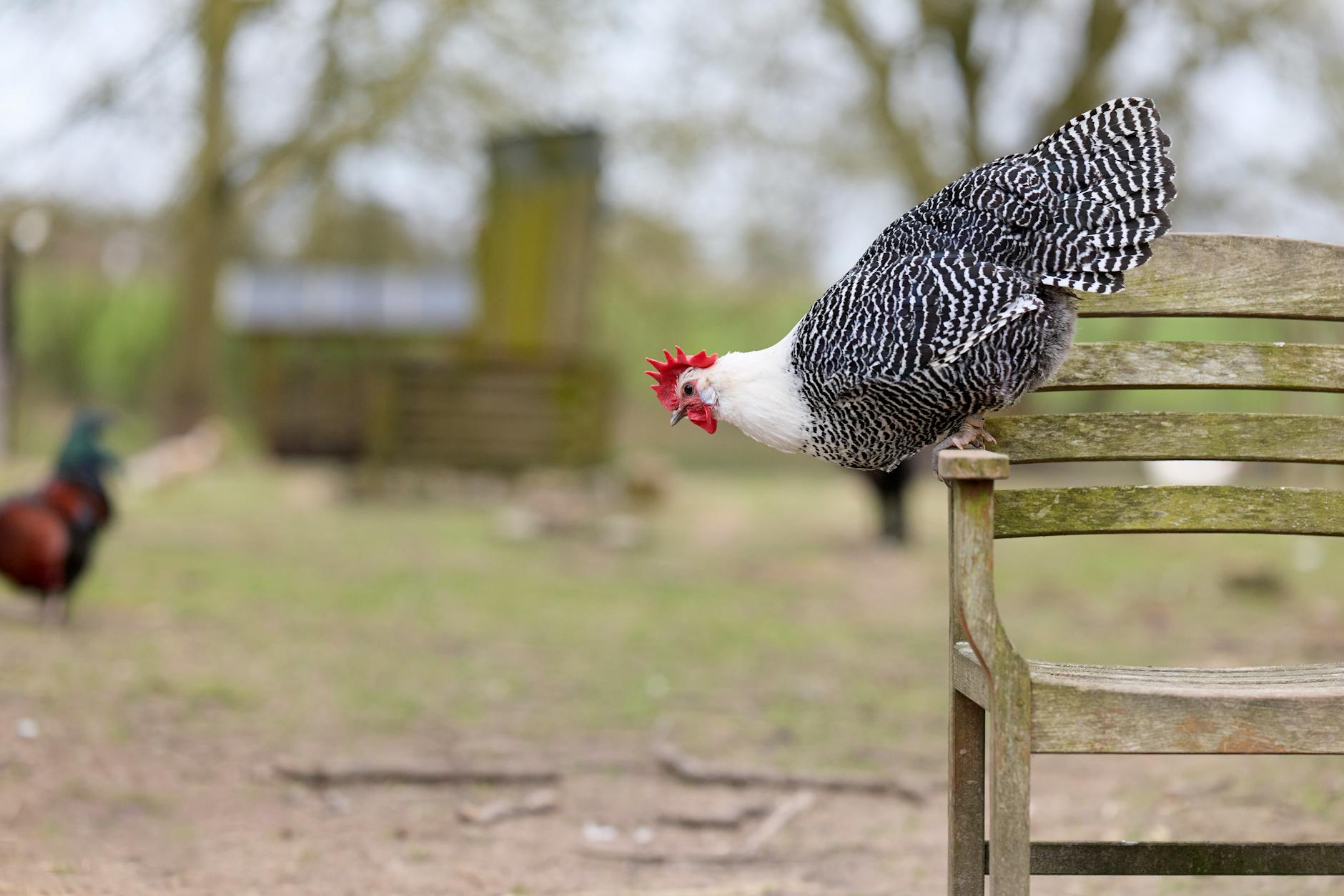
Plymouth Rocks, especially the Barred Rock variety, are a classic dual-purpose breed prized for their gentle nature and steady egg production. Hens lay large brown eggs at a reliable rate and rarely go broody, which means they keep laying consistently rather than sitting on a nest for weeks at a time. Their calm temperament makes them ideal for families with young children. Barred Rocks also have a striking black-and-white striped pattern that makes them easy to spot in a mixed flock.
3. Sussex
The Sussex breed, particularly the Speckled Sussex, is one of the friendliest chickens you can raise. These birds are curious and social, often following their owners around the yard like a puppy. They are good layers of cream to light brown eggs and adapt well to cold weather. Sussex hens are also excellent foragers, which can help reduce your feed costs if you allow them to free range. Their docile nature makes them one of the best chicken breeds for beginners who want a hands-on experience with their flock.
4. Australorp
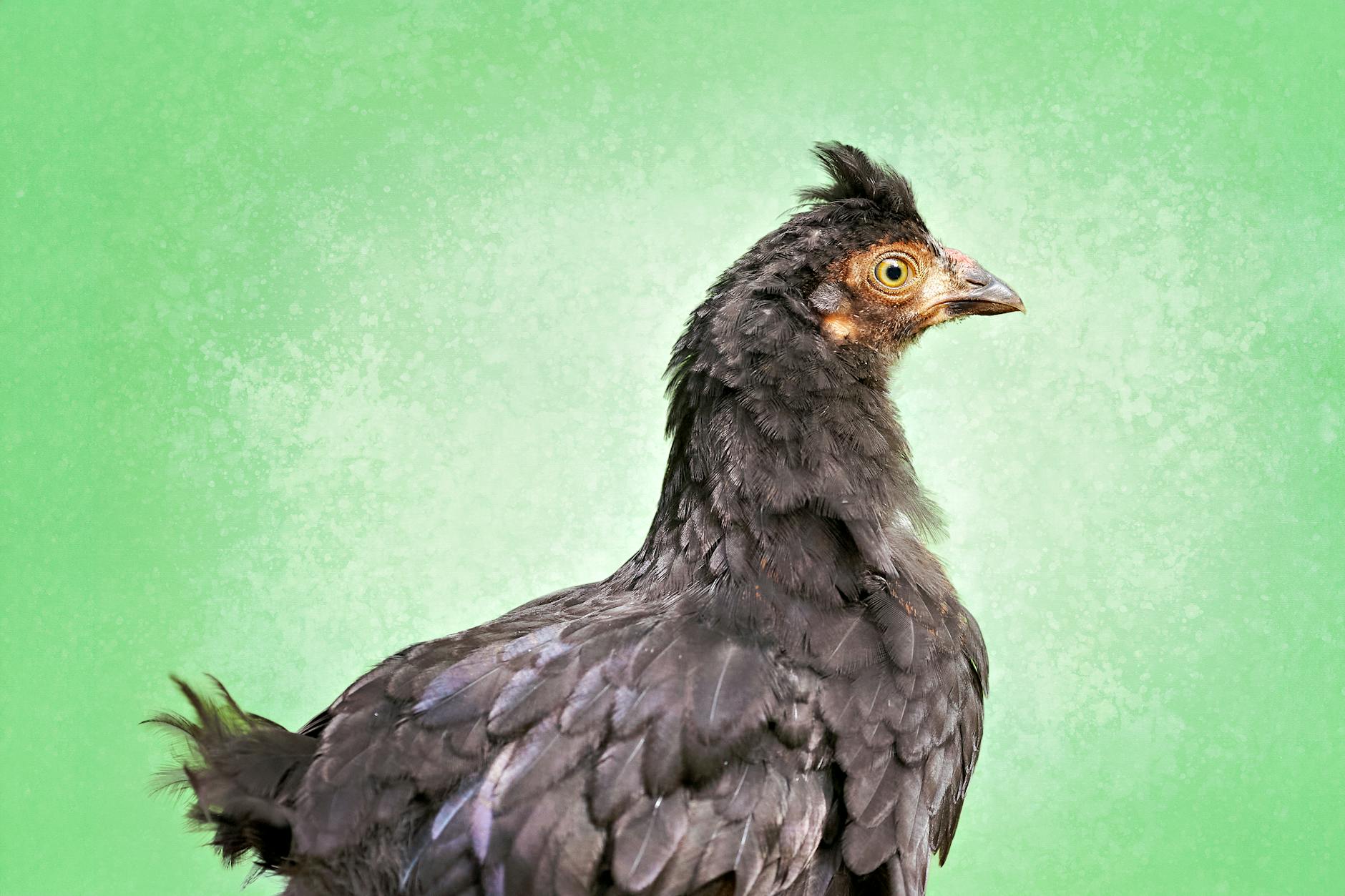
The Australorp holds a world record for egg laying under controlled conditions, though everyday backyard hens will not match that output. Still, Australorps are exceptional layers of large brown eggs and are known for being calm, quiet, and easy to manage. They are a great choice if you live in a neighborhood with noise restrictions. Their glossy black feathers with a green sheen are beautiful, and their gentle personalities make them a joy to keep.
5. Buff Orpington
If you want a breed that doubles as a lap chicken, the Buff Orpington is hard to beat. These large, fluffy golden birds are famously gentle and affectionate. They lay a good number of light brown eggs and are cold-hardy thanks to their thick feathering. Buff Orpingtons do tend to go broody more often than some other breeds, which can temporarily slow egg production, but their sweet personalities more than make up for it. They are especially popular with families and children.
Best Egg Laying Chickens for High Production
If your primary goal is maximizing your egg supply, you will want to focus specifically on the best egg laying chickens available to backyard keepers. While all the breeds above lay well, a few stand out as true production powerhouses.
Leghorn
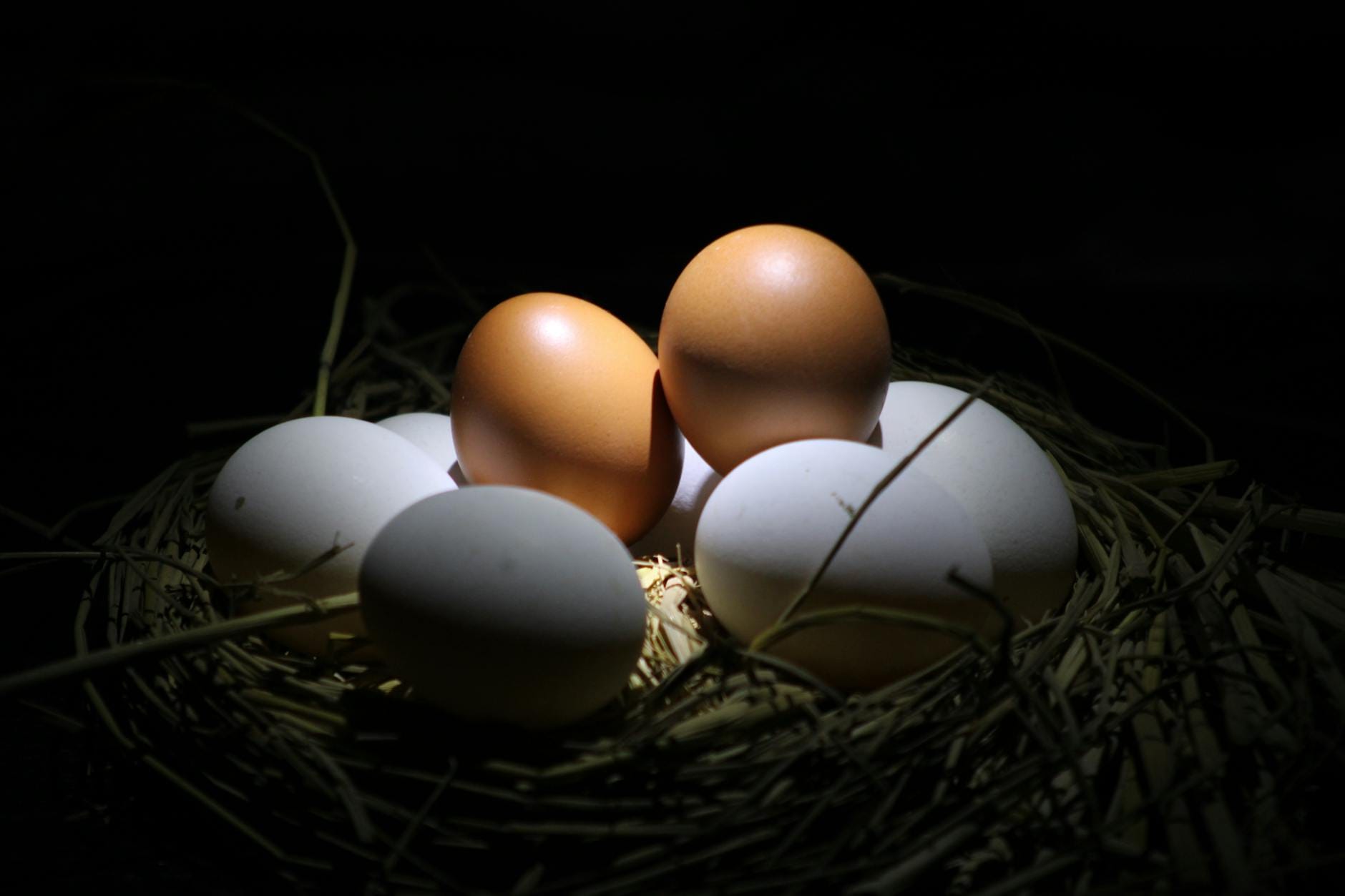
The White Leghorn is the commercial egg industry standard for a reason. These birds are lean, efficient, and capable of laying large white eggs at a very high rate. A Leghorn hen can produce five to six eggs per week during her peak. The trade-off is temperament — Leghorns tend to be more energetic and flighty than the breeds listed above. They are not the cuddliest birds, but if you want the most eggs for your feed dollar, they are hard to beat among the best egg laying chickens for backyard flocks.
Golden Comet
The Golden Comet is a sex-link hybrid bred specifically for high egg production. Hens begin laying earlier than most pure breeds, often starting around 16 weeks of age, and they produce large brown eggs consistently. Golden Comets are also friendly and easy to handle, which makes them one of the rare breeds that combines excellent temperament with top-tier production. They are among the most recommended best egg laying chickens for beginners who want results quickly.
Easter Egger
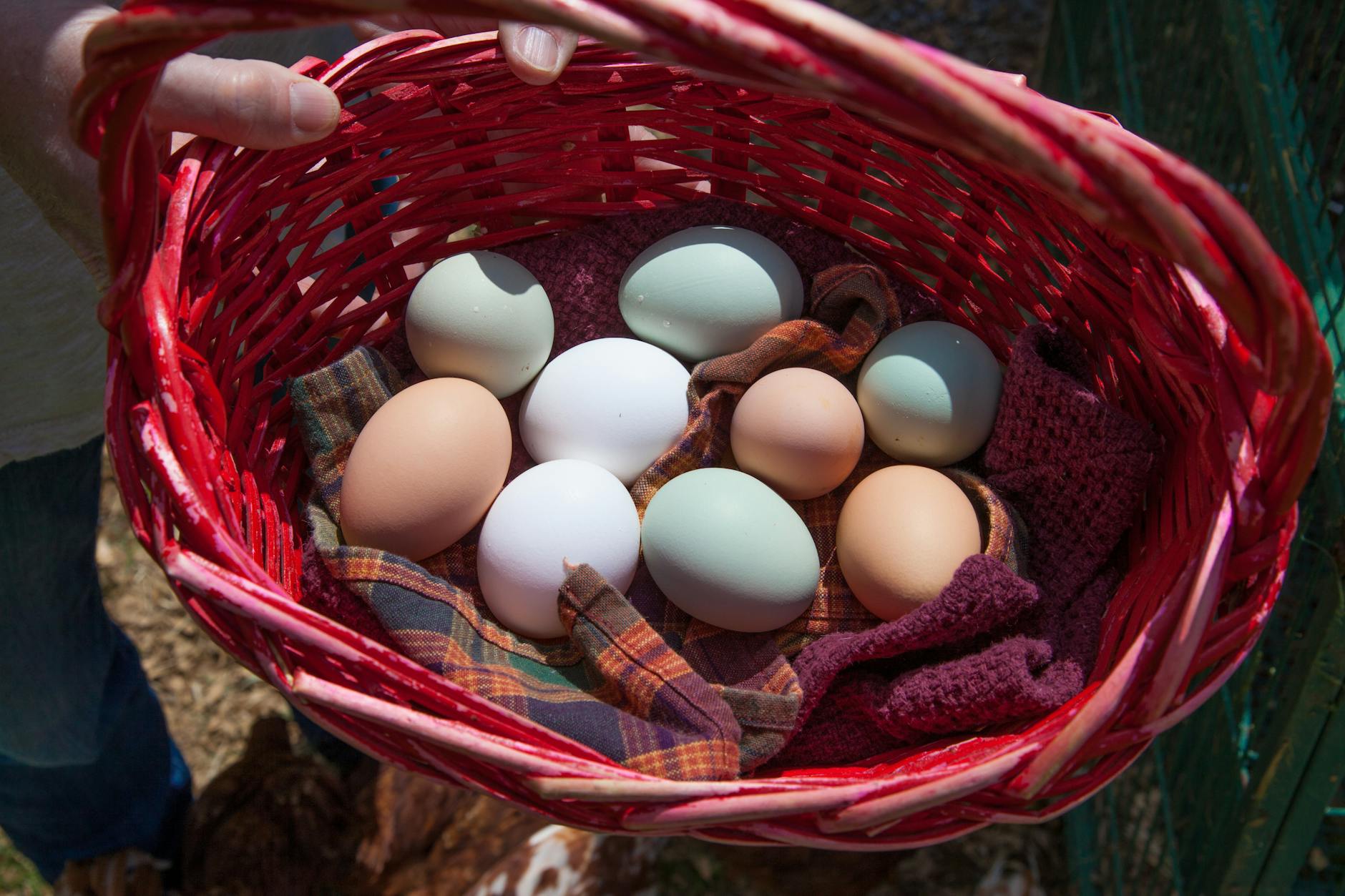
Easter Eggers are not a true breed but rather a mixed-heritage chicken that carries the gene for blue or green eggs. Each hen lays a slightly different shade, which makes collecting eggs a fun and colorful experience. They are hardy, friendly, and lay at a respectable rate. Easter Eggers are a wonderful choice if you want to add variety to your egg basket while still keeping things manageable as a beginner.
How to Choose the Right Breed for Your Situation
With so many great options, narrowing down your choice can feel overwhelming. Here is a simple step-by-step approach to help you decide:
- Define your goal. Are you raising chickens primarily for eggs, for meat, for companionship, or a combination? This single question eliminates many breeds immediately.
- Consider your climate. Cold climates favor heavy, thick-feathered breeds like Buff Orpingtons and Plymouth Rocks. Hot climates suit lighter breeds like Leghorns and Easter Eggers.
- Think about space. If you have a small backyard, choose calm breeds that tolerate confinement well. Active, flighty breeds need more room to thrive.
- Factor in noise. Roosters are loud, but some hen breeds are quieter than others. Australorps and Buff Orpingtons are known for being relatively quiet.
- Start small. Most beginners do well starting with three to six hens. A small flock is easier to manage while you learn the basics of chicken keeping.
Once you have answered these questions, revisit the breed descriptions above and match them to your answers. Most beginners find that one or two breeds from this list tick every box on their checklist.
Equipment
What You Need
- Aspen nesting pads sized for a 12 by 12 box. Excelsior pads let droppings fall through and cushion the eggs, so fewer crack and you are not scrubbing them. Lift the old one out, drop a fresh one in.
- A feeder and waterer sized to your flock. We compared five of each for beginners. The short version is that a hanging or port-style feeder wastes far less than an open trough.
- A coop with the right nest box count. One box per three to four hens is the working rule. Our build guide covers dimensions, ventilation and predator-proofing.
Some links above are affiliate links. If you buy through them we earn a small commission at no extra cost to you, and it does not change what we recommend. As an Amazon Associate, we earn from qualifying purchases.
Basic Care Tips for Your First Flock
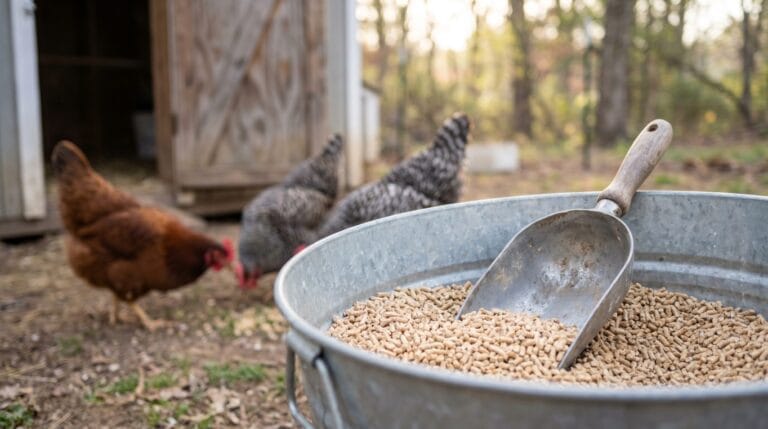
No matter which of the best chicken breeds for beginners you choose, the fundamentals of care remain the same. Your chickens will need a secure coop that protects them from predators, fresh water available at all times, a quality layer feed appropriate for their age, and enough space to move around comfortably. Plan on at least four square feet of indoor coop space per bird and eight to ten square feet of outdoor run space. Provide nesting boxes at a ratio of roughly one box per four hens, and make sure the coop has good ventilation to prevent moisture buildup in winter.
Spend time with your flock daily, especially during the first few weeks. Handling young chicks regularly helps them become comfortable with humans, which makes routine care like health checks and egg collection much easier as they grow.
From the In Homestead Shop
Starting your first flock?
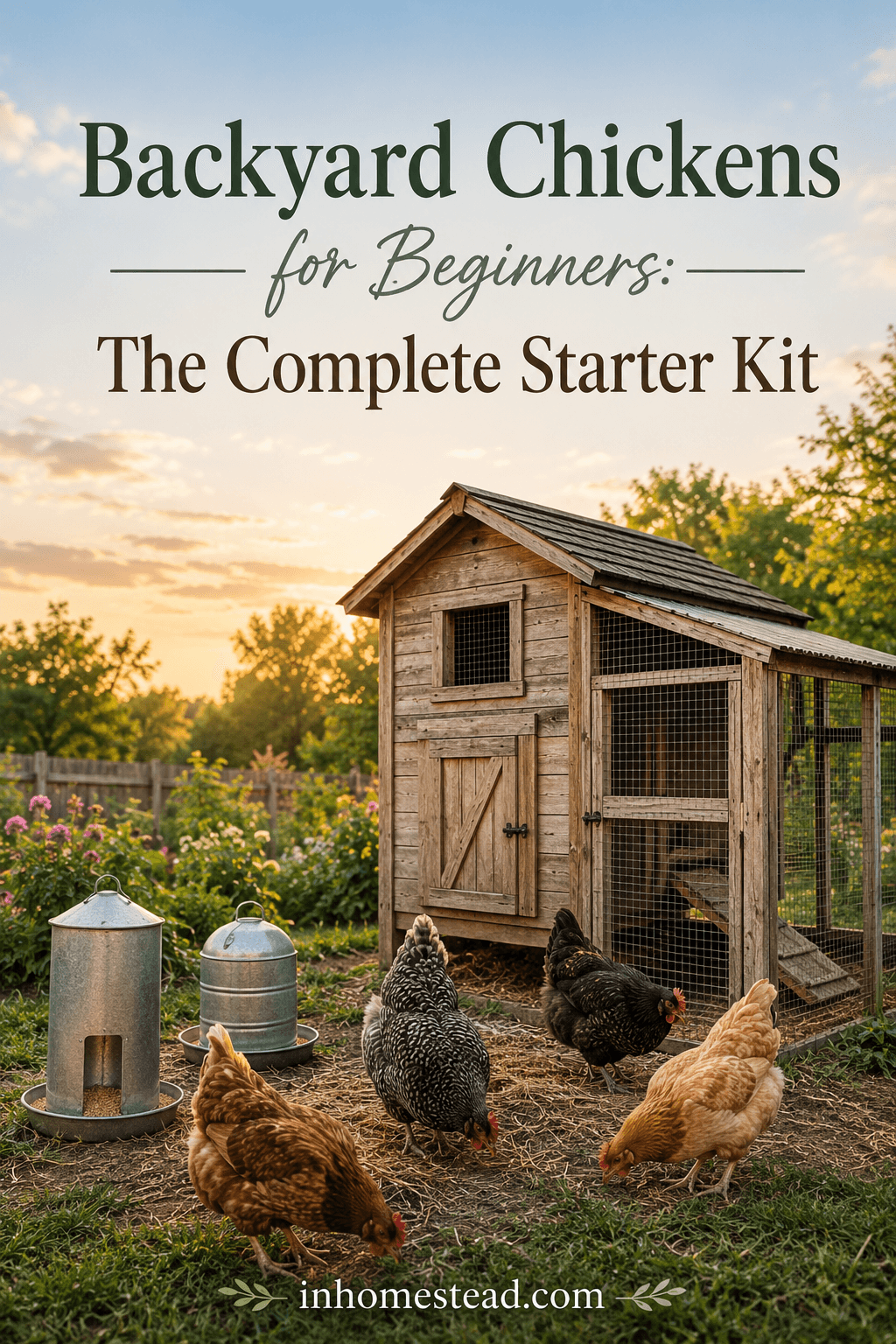
The Backyard Chickens Starter Guide covers your whole first year — choosing the right first breed, plus breeds, feed, and daily care — sourced from cooperative extension guidance and the Merck Veterinary Manual, with two printables.
The Free Garden Starter Pack
Five printable pages that take the guesswork out of a first season, plus a short email every week or two when something is worth planting, picking, or putting up.
- A garden planning worksheet you can actually fill in
- A seed-starting and planting calendar
- A harvest log to track what really produced
No spam, ever. Unsubscribe in one click.
Thank you. You are on the list.
Your Garden Starter Pack is ready right now. Grab it here:
Download the pack (PDF)Keep an eye on your inbox. The next seasonal guide lands there first.
Frequently Asked Questions
What is the easiest chicken breed to raise for beginners?
The Buff Orpington and Plymouth Rock are widely considered the easiest breeds for beginners due to their calm temperaments, hardiness, and consistent egg production. Both breeds tolerate handling well and adapt to a range of climates.
Which are the best egg laying chickens for a small backyard?
For small backyards, Golden Comets, Australorps, and Easter Eggers are excellent choices. They are among the best egg laying chickens that also tolerate smaller spaces without becoming stressed or aggressive.
How many eggs can I expect from a backyard hen?
Most productive laying breeds produce between three and six eggs per week during their first two years. Egg production naturally slows as hens age, and it drops off during molting season and the shorter days of winter.
Do I need a rooster for hens to lay eggs?
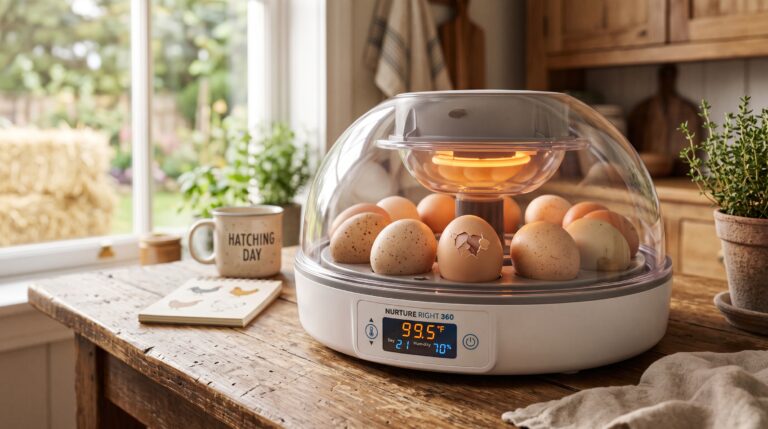
No. Hens lay eggs without a rooster present. You only need a rooster if you want fertilized eggs for hatching chicks. In many suburban areas, roosters are not permitted due to noise ordinances, so most backyard flocks are hens only.
When do chickens start laying eggs?
Most breeds begin laying between 18 and 24 weeks of age. Early-maturing hybrids like the Golden Comet may start as early as 16 weeks, while larger heritage breeds such as the Buff Orpington may take up to 28 weeks.
How long do backyard chickens live?
With good care, most backyard chickens live five to ten years. However, peak egg production typically occurs during the first two to three years of life, after which output gradually declines.
What are the friendliest chicken breeds to keep as pets?
For chickens you want to handle and keep as pets, look at Silkies, Buff Orpingtons, Cochins, and Sussex. These breeds stay calm, tolerate being picked up, and are gentle enough for families with children. Silkies in particular are docile lap chickens, though they lay fewer eggs, so choose based on whether you want eggs, companionship, or a bit of both.
How many chickens should a beginner start with?
Start with three to six hens. Chickens are flock animals and do poorly alone, so three is a sensible minimum, and three to four standard layers give a small family plenty of eggs. Six is a comfortable ceiling for a first coop without crowding. Plan for about 4 square feet of coop space and 8 to 10 square feet of run per bird so you are not forced to expand right away.
Conclusion
Selecting the best chicken breeds for beginners does not have to be complicated. Focus on breeds with calm temperaments, reliable egg production, and good adaptability to your local climate. Rhode Island Reds, Plymouth Rocks, Buff Orpingtons, Australorps, and Sussex hens are all proven choices that reward new keepers with a manageable, productive flock. If maximum egg output is your priority, look closely at the best egg laying chickens like Golden Comets and Leghorns. Start small, learn the basics, and enjoy the process — raising chickens is one of the most satisfying steps you can take toward a more self-sufficient homestead.