7 Time-Tested Methods of Preserving Food at Home
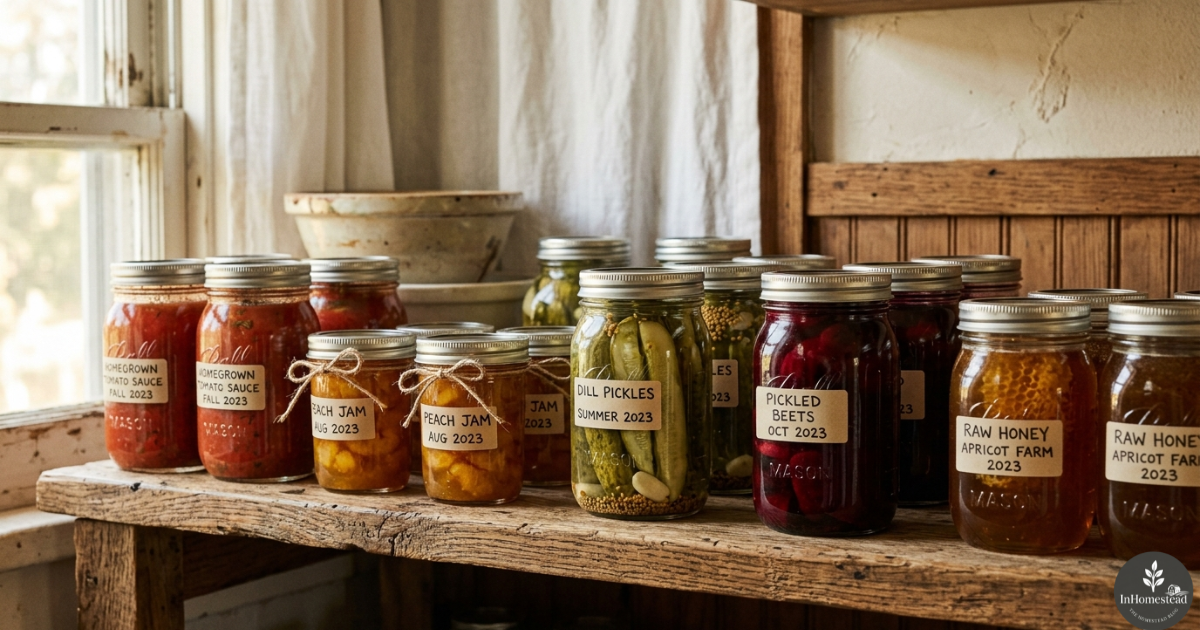
The first time you hear that satisfying pop of a cooling jar lid sealing on the kitchen counter, something clicks. Maybe it reminds you of your grandmother’s pantry — those rows of glowing red tomato sauce, ruby plum jam, and crisp dill pickles lined up like little jars of summer. Or maybe it just feels like quiet pride: you grew it, you put it up, and now it’ll feed your family through winter.
Either way, the old methods of preserving food haven’t gone anywhere. They’ve just been waiting for us to come back to them.
With grocery prices climbing and supply chains looking shakier every year, more home cooks and homesteaders are picking up these skills again. The good news? You don’t need a fancy kitchen or decades of experience to get started. You just need to know which method fits your food, your space, and your schedule.
Here are seven proven methods of preserving food at home — and exactly how to use each one.
Table of Contents
Why Food Preservation Still Matters in Modern Homes
The USDA estimates that 30 to 40 percent of the U.S. food supply ends up wasted. Some of that happens at the farm or store level, but a big chunk happens in homes — produce that spoils before you can eat it, leftovers forgotten in the fridge, bulk purchases that go bad before you finish them.
Learning even one or two methods of preserving food changes that math completely. Suddenly that bumper crop of zucchini becomes pickles for January. Those discounted strawberries become jam. Last week’s harvest doesn’t have to be eaten by Sunday.
Beyond the savings, there’s the deeper reason: when you preserve your own food, you control what goes into it. No mystery ingredients. No high-fructose corn syrup hiding in your pasta sauce. Just real food, your way.
A Quick Look at the 7 Methods of Preserving Food
Before we dig in, here’s a side-by-side comparison so you can spot which method fits you best:
| # | Method | Best For | Shelf Life | Difficulty |
|---|---|---|---|---|
| 1 | Canning | Tomatoes, jams, pickles | 1–2 years | Medium |
| 2 | Freezing | Meats, berries, vegetables | 6–12 months | Easy |
| 3 | Dehydrating | Herbs, fruit, jerky | 1+ year | Easy |
| 4 | Fermenting | Cabbage, cucumbers, dairy | Months–years | Medium |
| 5 | Pickling | Cucumbers, onions, peppers | 6–12 months | Easy |
| 6 | Curing & Smoking | Meats, fish | Months–years | Hard |
| 7 | Root Cellaring | Potatoes, apples, carrots | Weeks–months | Easy |
Method 1 – Canning: Sealing Freshness in Jars
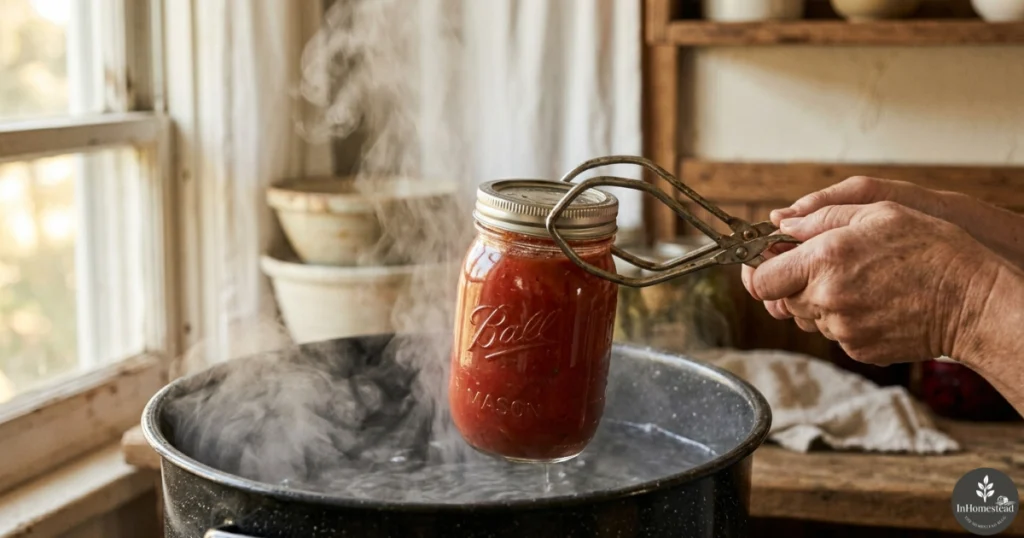
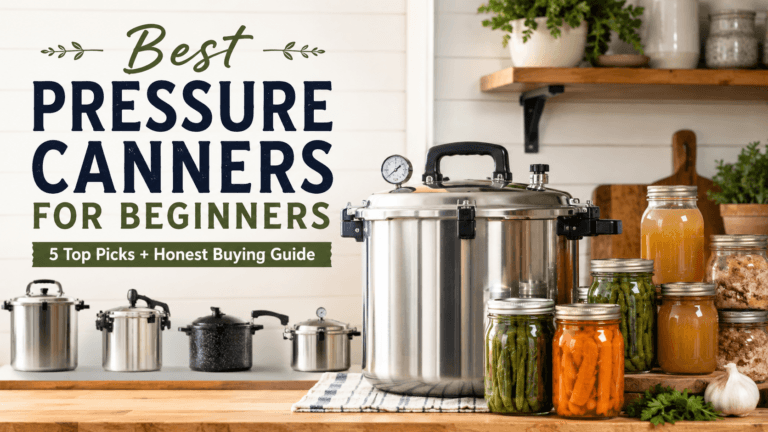
Canning is probably what most people picture when they think of food preservation. The process traces back to Napoleon-era France, when a French confectioner figured out that sealing food in glass jars and heating them killed the microbes that cause spoilage. Two centuries later, the science is the same — and the USDA Complete Guide to Home Canning is still the go-to reference for doing it safely.
Water Bath Canning vs. Pressure Canning
Which method you use depends on what you’re putting in the jar:
- Water bath canning works for high-acid foods like jams, fruit preserves, pickles, and tomato products. You submerge sealed jars in boiling water for a set time.
- Pressure canning is required for low-acid foods like green beans, corn, soups, and meats. The higher temperatures inside a pressure canner kill the spores that water bath temperatures can’t touch.
Skip this distinction at your own risk — botulism is rare but serious, and it’s the one thing that scares experienced canners.
Best Foods to Can at Home
Some classics worth starting with:
- Crushed tomatoes and tomato sauce
- Strawberry, peach, or blackberry jam
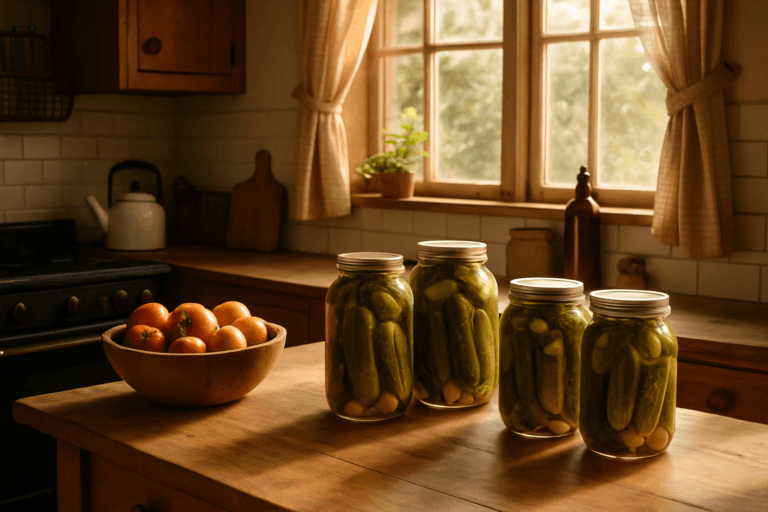
- Dill pickles and bread-and-butter pickles
- Apple butter
- Salsa
- Chicken or beef stock
Sample Recipe – Classic Canned Tomato Sauce
| Ingredient | Quantity |
|---|---|
| Ripe tomatoes | 10 lbs |
| Bottled lemon juice | 1 tbsp per pint jar |
| Salt | 1 tsp per quart |
| Fresh basil (optional) | 2 sprigs |
Method 2 – Freezing: The Easiest Way to Preserve Food
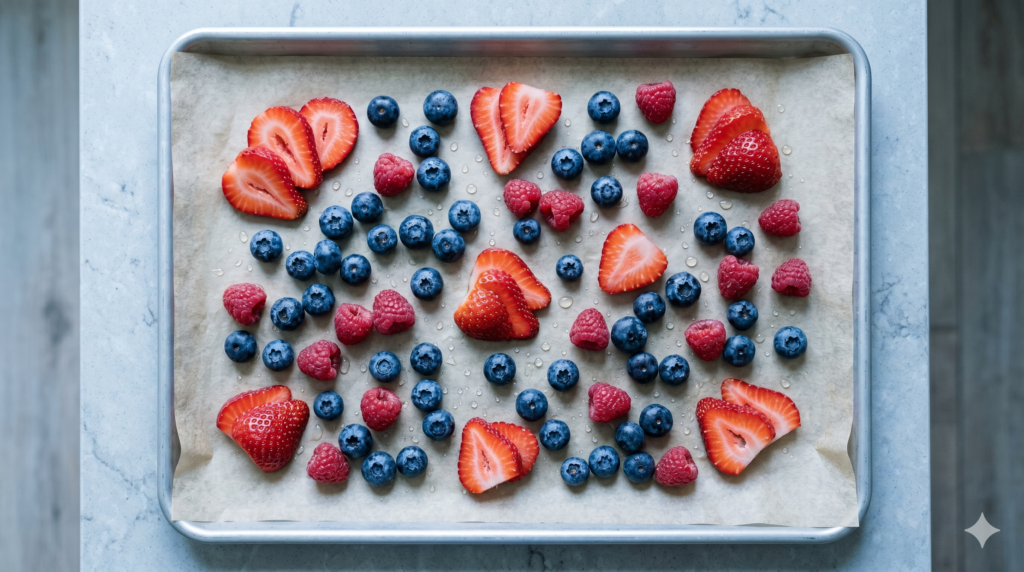
If canning feels like a leap, start with your freezer. It’s the most forgiving entry point of all the methods of preserving food, and you probably already have everything you need.
A few tips that separate good results from freezer-burned disappointment:
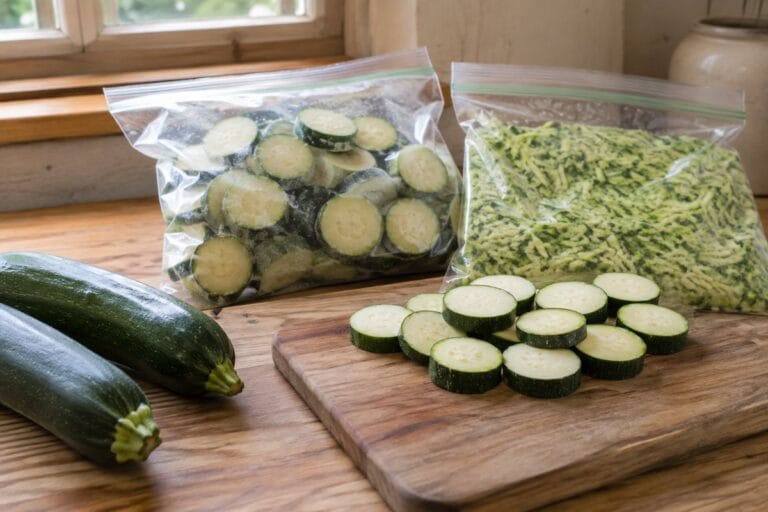
- Blanch your vegetables first. Drop broccoli, green beans, or corn into boiling water for two to three minutes, then plunge them into ice water. This stops enzymes that cause off-flavors and color loss.
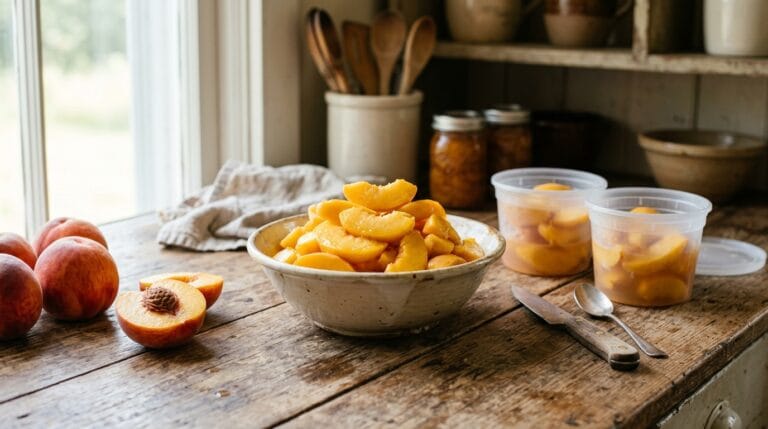
- Freeze in single layers. Spread berries or sliced peaches on a baking sheet first, freeze solid, then bag them up. They won’t clump.
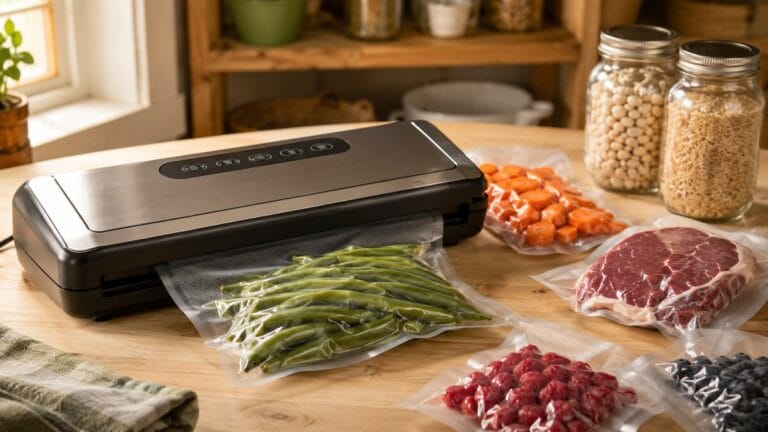
- Squeeze out the air. Vacuum sealers are gold, but pressing air out of zip-top bags works fine too.
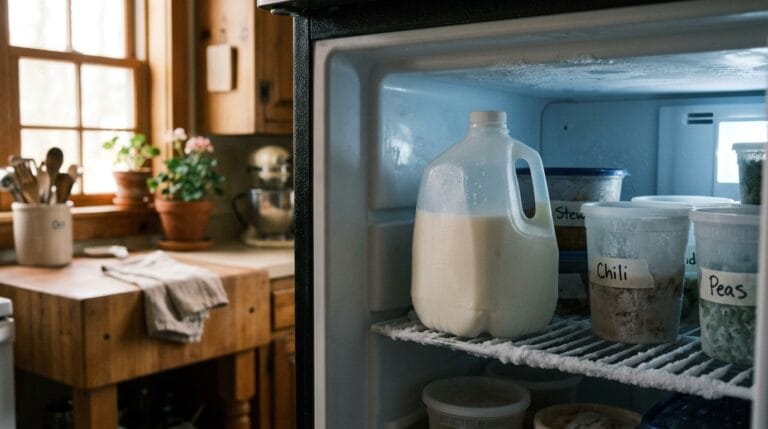
- Date everything. That mystery package from “sometime in 2024” is going in the trash — don’t pretend otherwise.
A few foods that don’t freeze well, just so you know: lettuce and other water-heavy salad greens, raw potatoes, mayonnaise-based sauces, and anything with cream that hasn’t been cooked.
Method 3 – Dehydrating: Removing Moisture to Extend Shelf Life
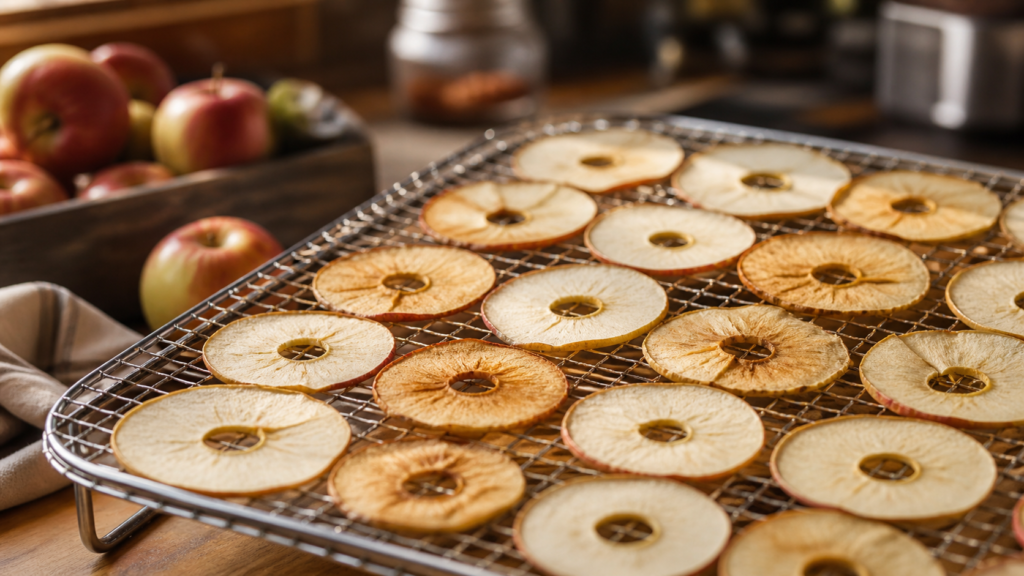
Bacteria, yeast, and mold all need water to grow. Pull out 80 to 95 percent of the moisture from a food, and you’ve made it nearly indestructible.
You have three ways to dehydrate at home:
- Sun drying — free, but only practical in hot, dry climates
- Oven drying — works in any home, slow and energy-hungry
- Electric dehydrator — the easiest and most consistent option, with models starting around $50
Dehydrated foods take up a fraction of the space of fresh ones, which makes this method ideal if you’re short on freezer or pantry room.
Sample Recipe – Homemade Apple Chips
| Ingredient | Quantity |
|---|---|
| Apples (Honeycrisp or Fuji) | 4 medium |
| Lemon juice | 1 tbsp |
| Cinnamon (optional) | 1 tsp |
Slice thin, toss in lemon juice to prevent browning, sprinkle with cinnamon, and dehydrate at 135°F for 6 to 8 hours.
Method 4 – Fermenting: Preserving Through Natural Bacteria
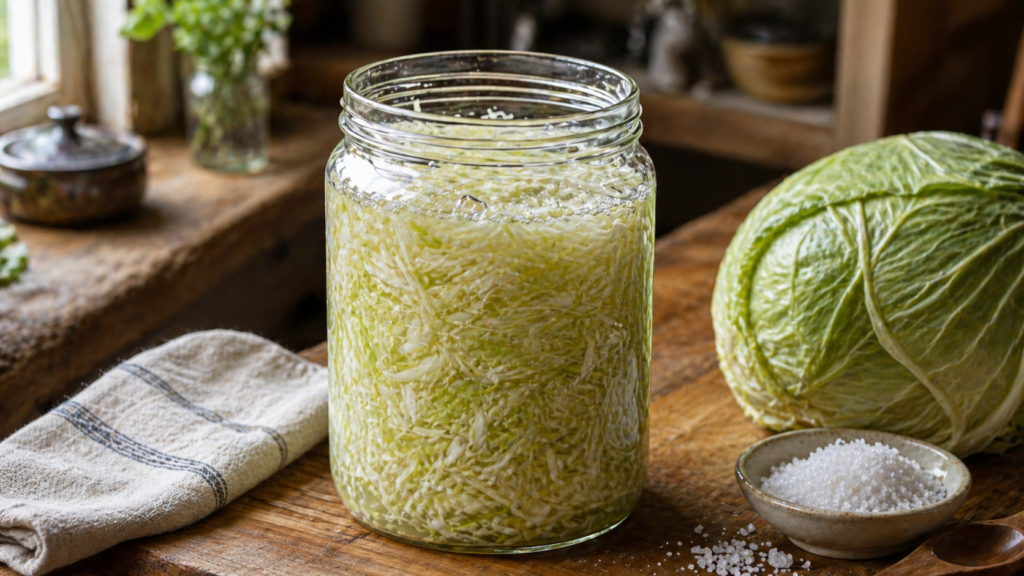
Here’s where things get interesting. Fermenting doesn’t fight bacteria — it recruits them. Beneficial lactic acid bacteria feed on sugars in your vegetables and produce lactic acid, which preserves the food and gives it that signature tang.
Beyond preservation, fermented foods deliver real health benefits: live probiotics, better gut microbiome diversity, and increased nutrient bioavailability. Regular fermented food consumption has been linked to improved digestion and stronger immune function.
The beginner-friendly options:
- Sauerkraut (the gateway ferment)
- Kimchi
- Whole-milk yogurt
- Fermented hot sauce
- Kombucha
Sample Recipe – Simple Sauerkraut
| Ingredient | Quantity |
|---|---|
| Green cabbage | 1 medium head (~2 lbs) |
| Sea salt (non-iodized) | 1 tbsp |
| Caraway seeds (optional) | 1 tsp |
Shred the cabbage, massage it with salt until it releases liquid, pack tightly into a jar, weigh it down so the cabbage stays submerged, and leave it at room temperature for 1 to 4 weeks. Taste as you go.
Method 5 – Pickling: Vinegar-Based Preservation
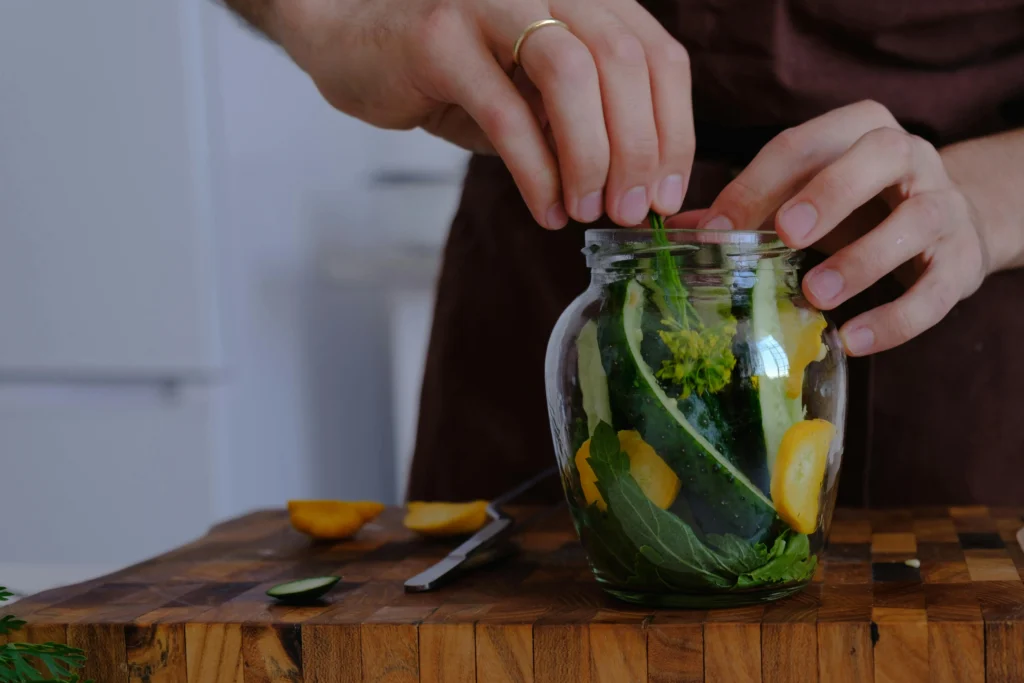
Pickling overlaps with both canning and fermenting, but it deserves its own spot because the technique is so flexible. The acid in vinegar (or sometimes the lactic acid from fermentation) drops the pH low enough that spoilage organisms can’t survive.
You have two paths:
- Quick pickling — pour hot brine over vegetables, refrigerate, and eat within a few weeks
- Canned pickles — process in a water bath canner for shelf-stable jars that last a year
The standard brine ratio is roughly 1:1 vinegar to water, plus salt and sometimes sugar. Once you have that down, you can pickle nearly anything.
Sample Recipe – Quick Refrigerator Pickles
| Ingredient | Quantity |
|---|---|
| Pickling cucumbers | 1 lb |
| White vinegar | 1 cup |
| Water | 1 cup |
| Kosher salt | 1 tbsp |
| Sugar | 1 tbsp |
| Garlic cloves | 3 |
| Fresh dill | 2 sprigs |
Method 6 – Curing and Smoking: Time-Honored Meat Preservation
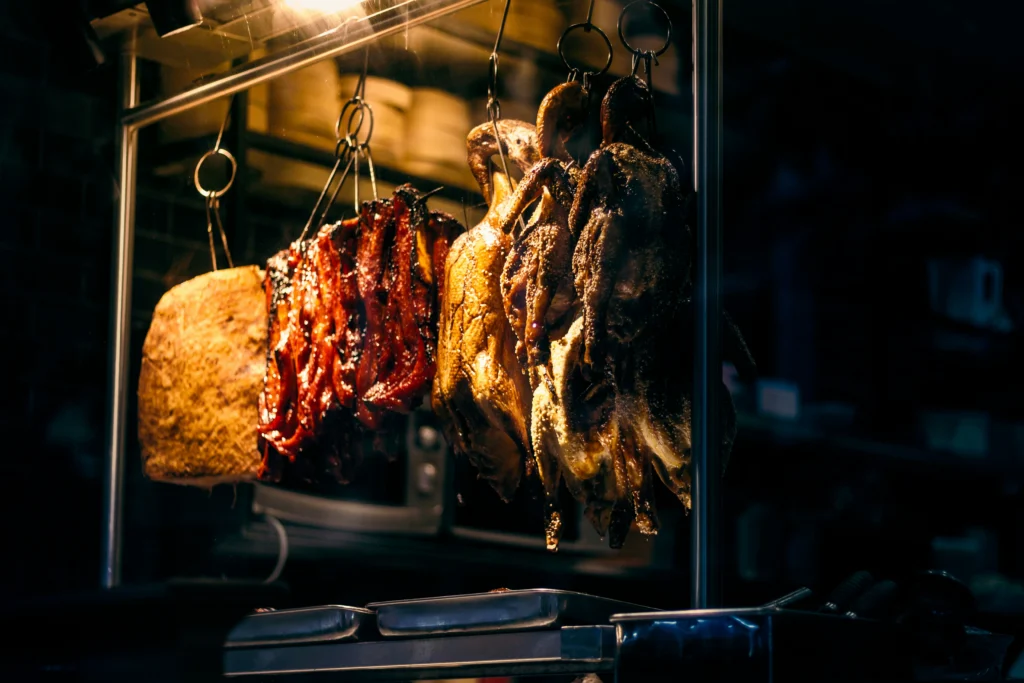
Salt and smoke are how humanity preserved meat for thousands of years before refrigeration showed up. Done properly, cured meats keep for months — and they taste like nothing you can buy at a grocery store.
Two main approaches:
- Dry curing — rubbing salt (sometimes with curing salt containing sodium nitrite) directly onto the meat
- Wet brining — submerging the meat in a saltwater solution
After curing, you can finish with:
- Cold smoking (under 90°F) for items like bacon and salmon
- Hot smoking (165–225°F) for ribs, brisket, and whole birds
A safety note worth bolding mentally: meat preservation is the area where mistakes can actually hurt you. Stick to tested recipes with verified salt ratios, follow USDA temperature guidelines, and don’t improvise with curing salts. This is the one method where you earn your skills before you start experimenting.
Method 7 – Root Cellaring: Cool, Dark Storage for Whole Foods
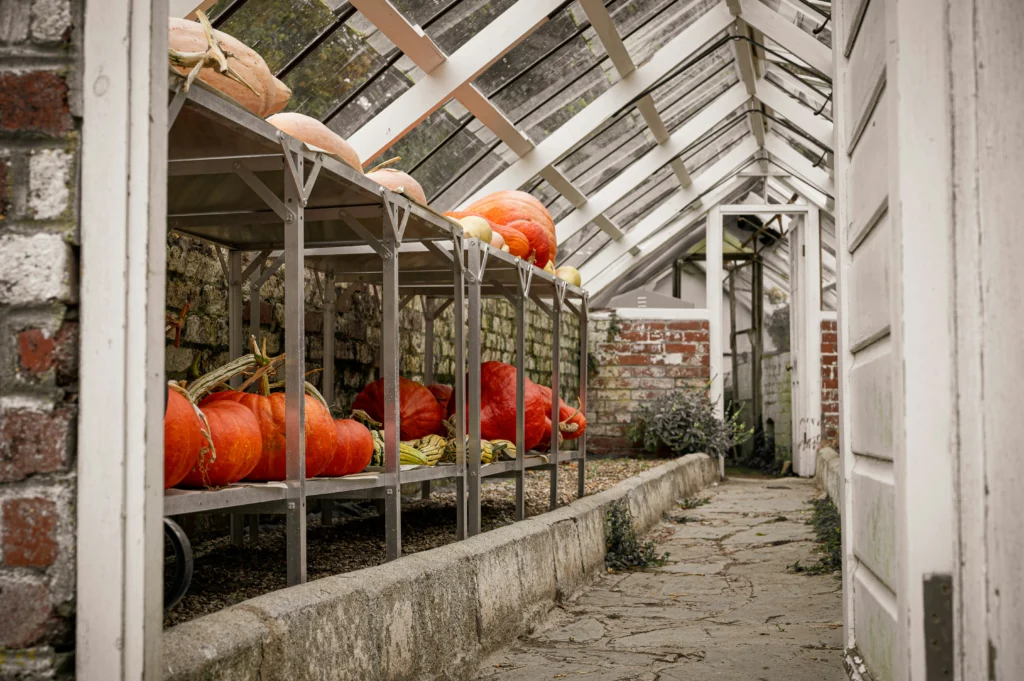
Before refrigerators, every farmhouse had a root cellar — a cool, dark, humid space where fall harvests stayed fresh through spring. The principle still works, and you don’t need to dig a cellar to use it.
The conditions you’re aiming for:
- Temperature: 32–40°F
- Humidity: 85–95%
- Darkness and good airflow
Where to find or fake those conditions:
- An unheated basement corner
- A detached garage in cold climates
- A buried trash can or old chest freezer
- A dedicated cellar dug into a hillside
Foods that store beautifully this way: potatoes, carrots, beets, onions, garlic, apples, pears, winter squash, and cabbage. Some can last six months or more with zero processing.
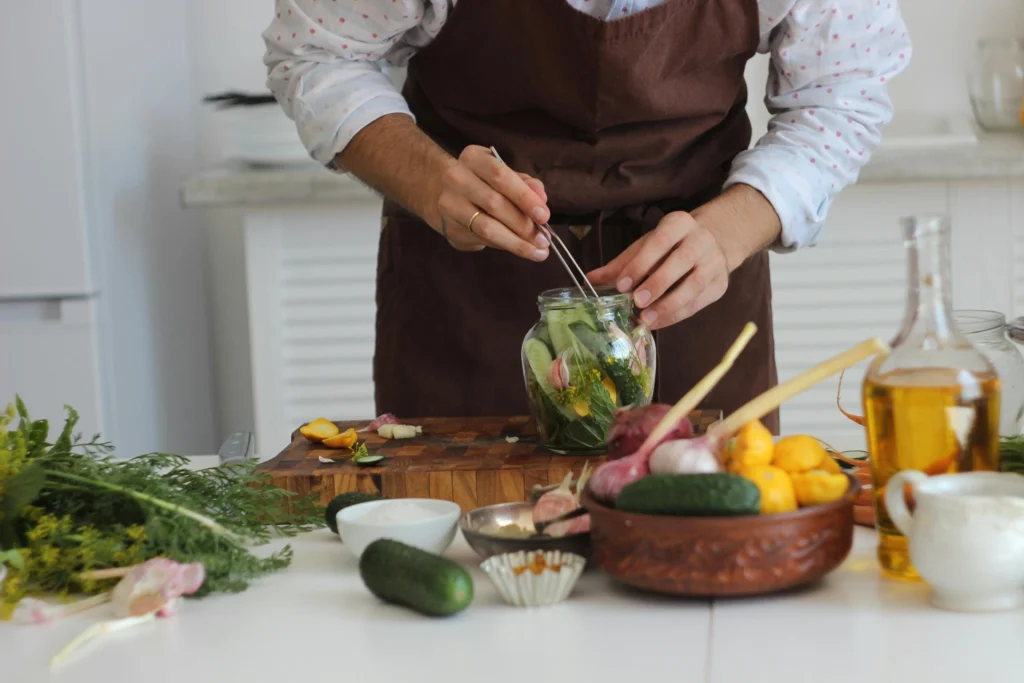
Choosing the Right Preservation Method for Your Lifestyle
Not every method works for every household. Match the technique to your reality:
- Short on time? Freezing or quick pickling. Both can be done in under 30 minutes.
- Limited freezer space? Canning or dehydrating. They store at room temperature.
- Health-focused? Fermenting. You get preservation and probiotics in one jar.
- Off-grid or rural? Root cellaring and curing. They don’t need electricity.
- Just starting out? Pick one method this month. Master it. Add another next season.
Conclusion: Start Small, Build Skills, Eat Better
These seven methods of preserving food aren’t relics. They’re practical skills that let you eat seasonal produce year-round, cut your grocery bill, reduce food waste, and stock your pantry with food you can actually trust.
Don’t try to learn all seven at once. Pick the method that excites you most — the one where you’re already picturing the jars on your shelf or the bag in your freezer — and start there this weekend.
Then come back and learn the next one when you’re ready.
Ready to build your home preservation pantry? Subscribe to InHomestead for weekly tutorials, seasonal recipes, and our free Food Preservation Starter Checklist — everything you need to put up your first batch with confidence.
From the In Homestead Shop
Want every water-bath recipe in one place?
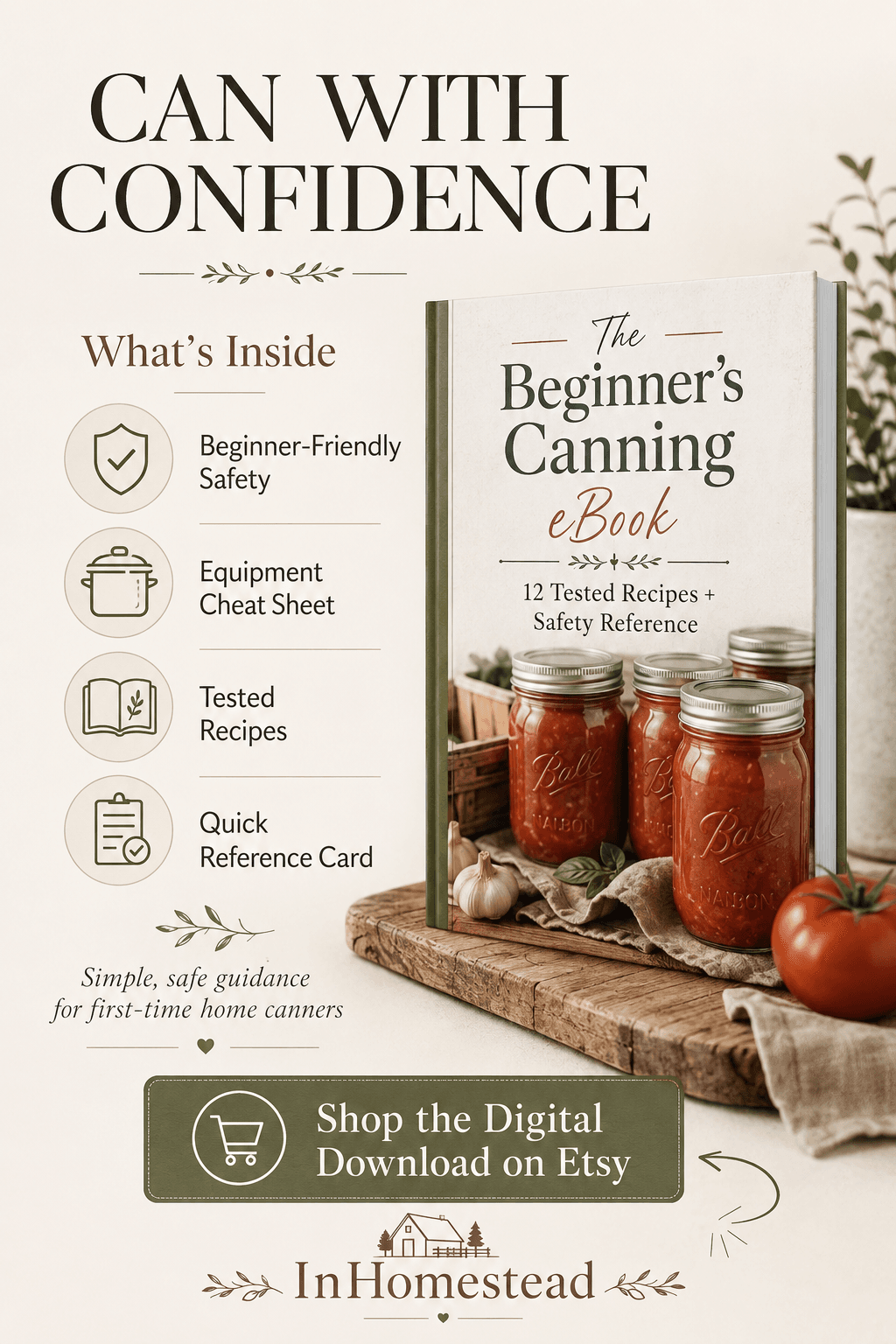
The Beginner’s Canning eBook gathers 12 tested recipes — water-bath canning and fermenting included — with every processing time pulled straight from the USDA and the National Center for Home Food Preservation, plus a printable safety card for the kitchen wall.
The Free Garden Starter Pack
Five printable pages that take the guesswork out of a first season, plus a short email every week or two when something is worth planting, picking, or putting up.
- A garden planning worksheet you can actually fill in
- A seed-starting and planting calendar
- A harvest log to track what really produced
No spam, ever. Unsubscribe in one click.
Thank you. You are on the list.
Your Garden Starter Pack is ready right now. Grab it here:
Download the pack (PDF)Keep an eye on your inbox. The next seasonal guide lands there first.
FAQ – Methods of Preserving Food
What are the most common methods of preserving food at home?
The most common methods of preserving food at home are canning, freezing, dehydrating, fermenting, pickling, curing, and root cellaring. Each one suits different foods, climates, and skill levels.
Which method of preserving food lasts the longest?
Properly canned and cured foods can last one to two years or more. Dehydrated foods often exceed that shelf life when stored in airtight containers in a cool, dark place.
Are home methods of preserving food safe?
Yes, when USDA-approved guidelines are followed. The most important rule: use pressure canning for low-acid foods like vegetables and meats to prevent botulism, and stick to tested recipes rather than guessing on ratios or processing times.
What is the cheapest method of preserving food?
Freezing and root cellaring are typically the cheapest methods of preserving food. Both require little or no specialized equipment beyond what most homes already have.
Can you combine different methods of preserving food?
Yes, and many homesteaders do. Common combinations include dehydrating then vacuum-sealing, fermenting then refrigerating, and curing then smoking. Layering methods often extends shelf life even further.