Canning Dill Pickles for Beginners: Easy Water-Bath Recipe
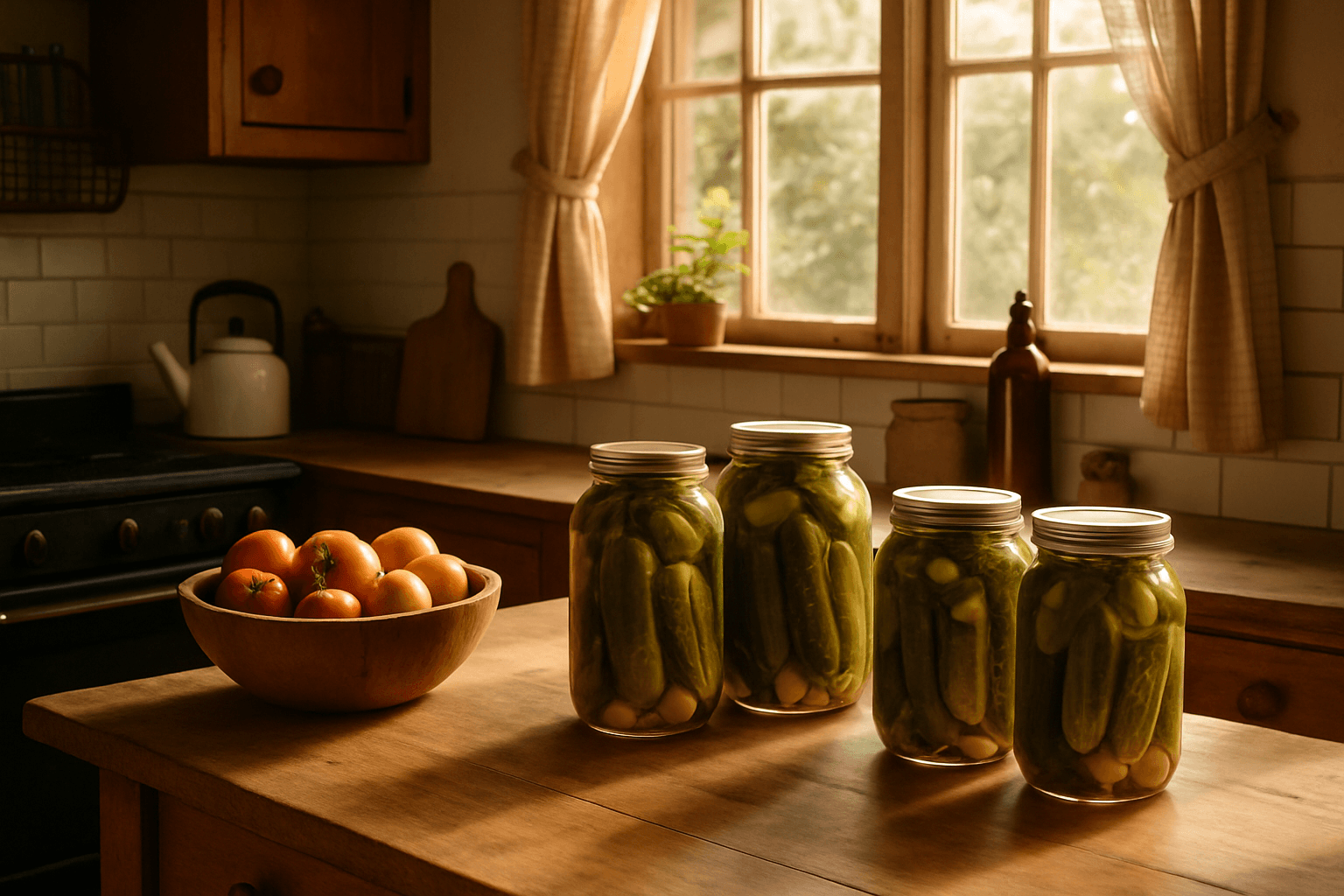
Preserving fresh garden produce through canning is a rewarding homesteading skill, and learning canning pickles for beginners is a great place to start. Homemade pickles are crunchy, flavorful, and far superior to store-bought versions. This guide will walk you through the basics of how to make pickles, from selecting cucumbers to safely sealing your jars for long-term storage.
Table of Contents
Why Learn to Can Pickles?
Pickling is one of the oldest food preservation methods. It not only extends the shelf life of cucumbers but also enhances their flavor with delicious spices and vinegar. Canning ensures your pickles stay fresh for months, even years, allowing you to enjoy your harvest anytime. Plus, making pickles at home means you control the ingredients—no preservatives or additives, just natural flavors.
Easy Dill Pickle Canning Recipe (Water-Bath)
This is the classic quick fresh-pack dill pickle, adapted from the National Center for Home Food Preservation. It makes about 7 pints and processes in a boiling-water canner, so a standard water-bath canner is all you need.
Ingredients (makes about 7 pints):
- 8 lbs pickling cucumbers, 3 to 5 inches long
- 1.5 quarts white vinegar (5% acidity)
- 2 quarts water
- 1/4 cup canning or pickling salt
- 1/4 cup sugar
- 2 tablespoons whole mixed pickling spice
- Fresh dill: 1 to 2 heads per jar (or 1 to 2 tsp dill seed)
- 1 to 2 garlic cloves per jar, optional
Steps:
- Wash the cucumbers and trim about 1/16 inch off the blossom end, which carries enzymes that soften pickles.
- Combine the vinegar, water, salt, sugar, and pickling spice (tied in a cheesecloth bag) in a pot and bring to a boil.
- Pack the cucumbers into clean, hot jars, adding dill and garlic to each, and leave 1/2 inch of headspace.
- Pour the hot brine over the cucumbers, keeping that 1/2 inch of headspace. Remove air bubbles, wipe the rims, and apply the lids.
- Process both pints and quarts for 10 minutes in a boiling-water canner, adding time if you are above 1,000 feet in altitude.
- Let the jars cool undisturbed for 12 to 24 hours, check the seals, and wait at least 2 to 3 weeks before eating for the fullest flavor.
Essential Supplies for Canning Pickles
Before starting your canning adventure, gather these essential supplies:
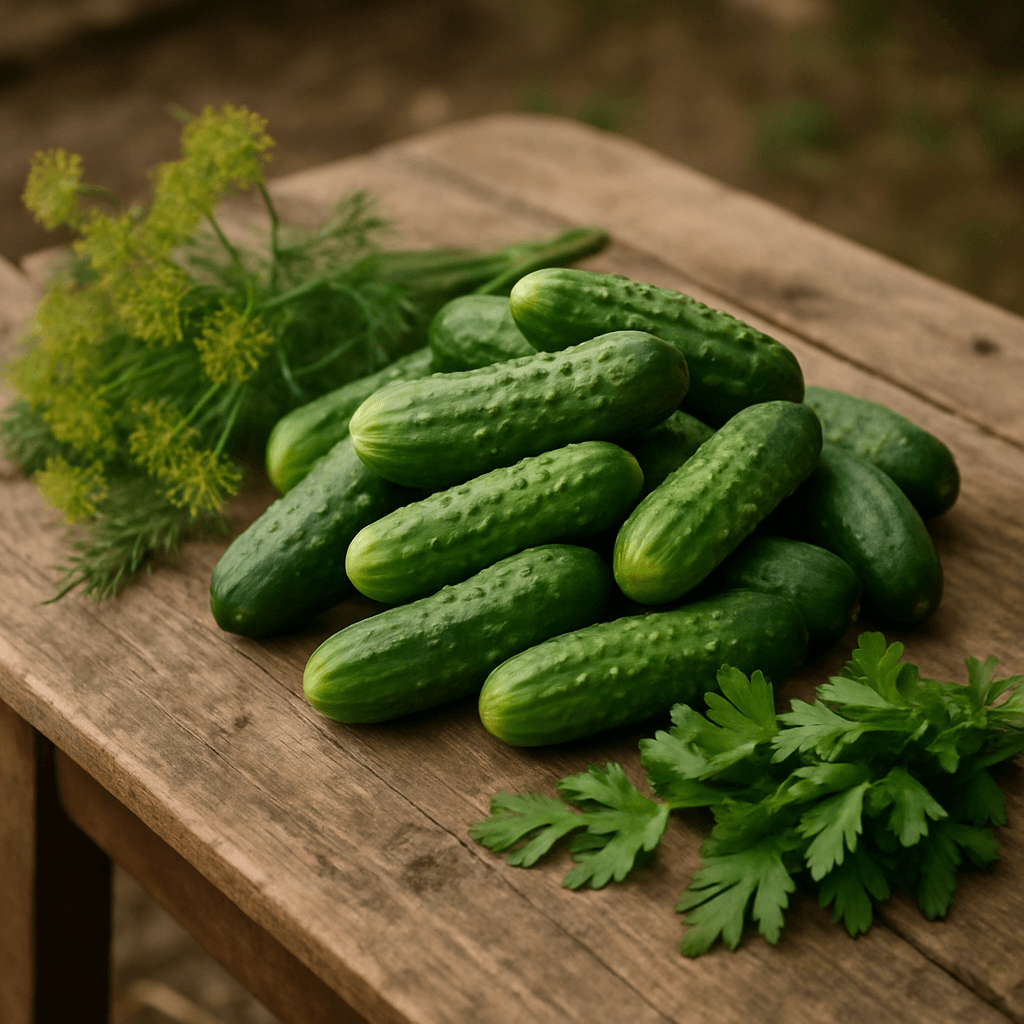
- Fresh pickling cucumbers (firm and small-sized are best)
- Wide-mouth canning jars with lids and bands
- Large pot or water bath canner
- Jar lifter and funnel
- Pickling spices (dill, garlic, mustard seeds, peppercorns, etc.)
- Vinegar (5% acidity), water, and pickling salt
Having all tools ready will make the process smooth and enjoyable.
Equipment
What You Need
- A canning tools kit that includes a rack. The rack is the part that matters. It keeps jars off the bottom of the pot, which means a stockpot you already own will do the job of a canner. The kit also has the jar lifter, funnel, magnetic lid lifter and headspace tool.
- Jars, lids and bands. Buy these locally. They are heavy, inexpensive, and stocked by most hardware and grocery stores, so shipping them rarely makes sense. Lids are single-use for sealing; bands and jars are reusable until a rim chips.
Some links above are affiliate links. If you buy through them we earn a small commission at no extra cost to you, and it does not change what we recommend. As an Amazon Associate, we earn from qualifying purchases.
The Basics of How to Make Pickles
Pickling cucumbers involves soaking them in a brine of vinegar, water, salt, and spices. Here’s a simple overview:
1. Prepare the Brine
Combine vinegar, water, and pickling salt in a pot. Bring it to a boil to dissolve the salt and release flavors from any added spices.
2. Pack the Jars
Wash your cucumbers thoroughly. Pack them tightly into sterilized jars along with fresh dill sprigs, garlic cloves, or other spices you enjoy.
3. Add the Hot Brine
Pour the hot brine over the cucumbers, leaving about ½ inch of headspace at the top of the jar.
4. Seal and Process
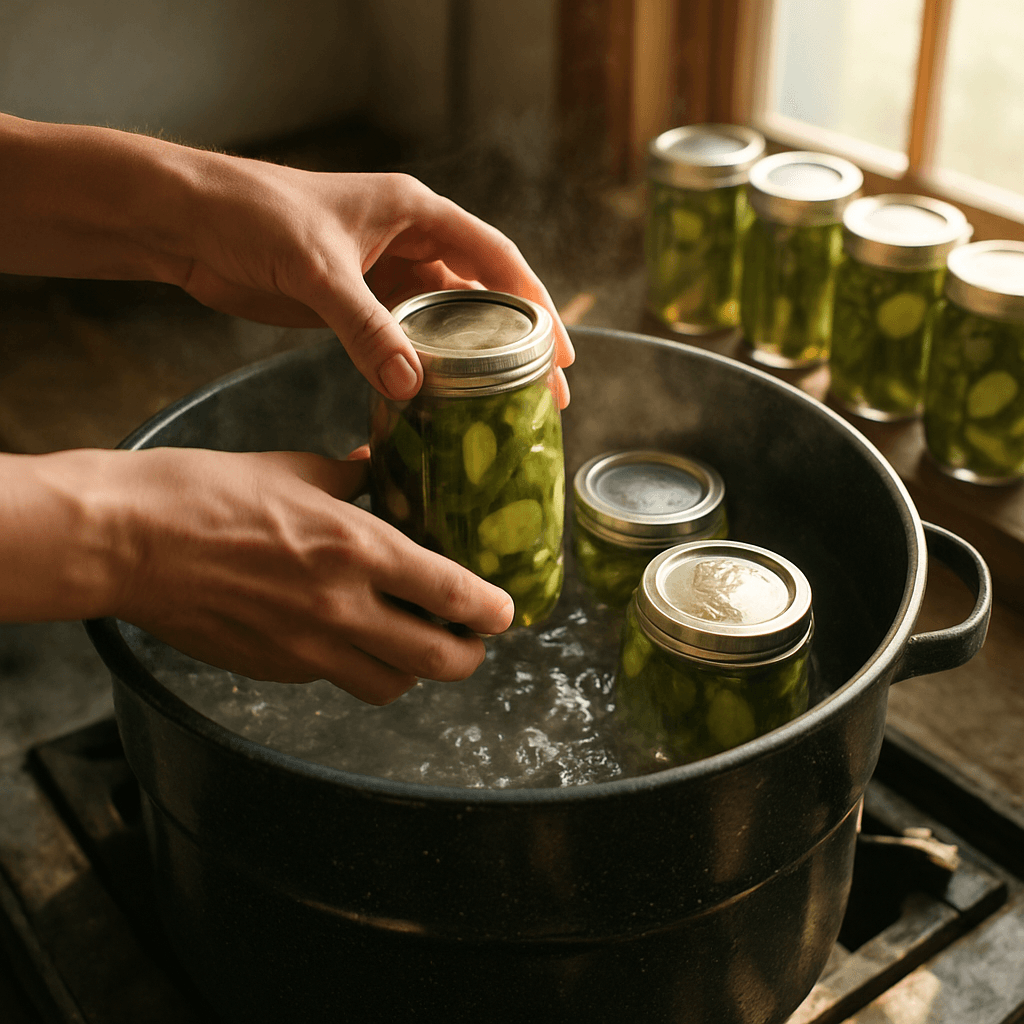
Wipe the jar rims clean, apply the lids, and screw on the bands finger-tight. Process the jars in a boiling water bath for the recommended time (usually 10-15 minutes) to ensure safe preservation.
Step-by-Step Guide: Canning Pickles for Beginners
Here’s a detailed step-by-step process to safely can your own pickles:
Step 1: Choose the Right Cucumbers
Pick fresh, firm pickling cucumbers, ideally 3-4 inches long. Avoid overripe or soft cucumbers as they can become mushy when pickled.
Step 2: Sterilize Your Jars and Lids
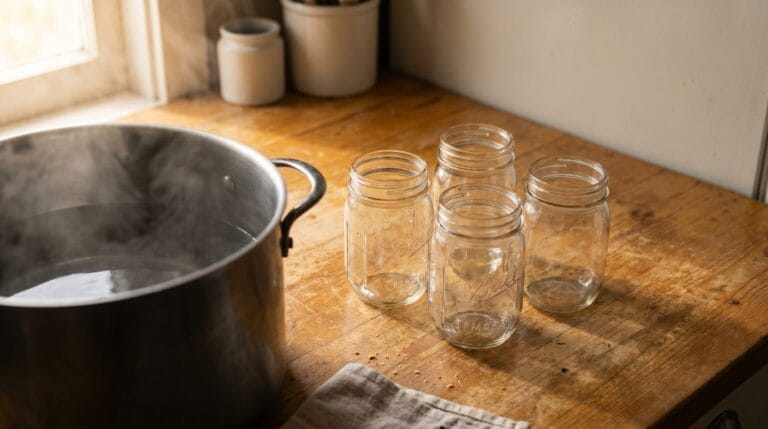
Wash jars and lids in hot soapy water. Boil jars for 10 minutes or run them through a dishwasher cycle. Keep jars warm until use.
Step 3: Make the Brine
Combine equal parts vinegar and water with 1 tablespoon of pickling salt per quart of liquid. Bring to a boil and add desired spices.
Step 4: Pack Jars with Cucumbers and Spices
Place cucumbers, fresh dill, garlic cloves, and peppercorns into jars, packing tightly but without crushing.
Step 5: Pour Hot Brine and Remove Air Bubbles
Fill jars with hot brine leaving ½ inch headspace. Use a non-metallic utensil to remove air bubbles by sliding it around the jar’s inside edge.
Step 6: Wipe Rims, Seal, and Process
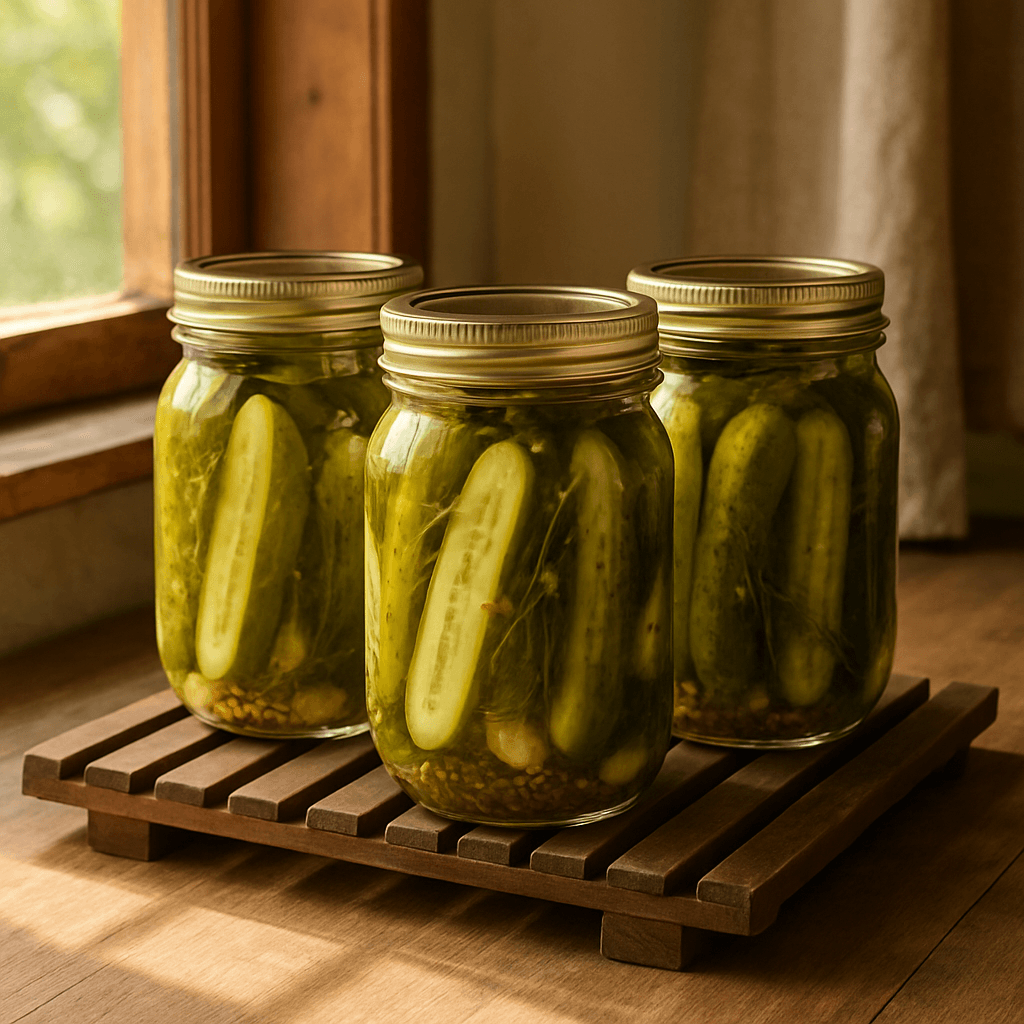
Clean rims with a damp cloth. Place lids and bands on jars. Process in boiling water bath for 10-15 minutes, adjusting time for altitude.
Tips for Perfect Pickles Every Time
- Use pickling cucumbers: Their thin skin and firm texture make them ideal.
- Keep cucumbers cold: Store in the fridge until canning to maintain crispness.
- Don’t skip the water bath: It’s crucial for safe preservation.
- Adjust spices: Customize your pickles with favorites like dill seeds, chili flakes, or garlic.
- Label jars: Note the date and type of pickles for easy reference.
How Long Do Canned Pickles Last?
Properly canned pickles stored in a cool, dark place can last 1 to 2 years. Once opened, refrigerate and consume within a few weeks for best flavor and safety.
Common Mistakes to Avoid When Canning Pickles
- Using vinegar with less than 5% acidity can cause spoilage.
- Not sterilizing jars can lead to contamination.
- Skipping the water bath process risks unsafe preservation.
- Overfilling jars or leaving too much headspace can affect sealing.
From the In Homestead Shop
Want every water-bath recipe in one place?
The Beginner’s Canning eBook gathers 12 tested recipes — crisp dill pickles included — with every processing time pulled straight from the USDA and the National Center for Home Food Preservation, plus a printable safety card for the kitchen wall.
The Free Garden Starter Pack
Five printable pages that take the guesswork out of a first season, plus a short email every week or two when something is worth planting, picking, or putting up.
- A garden planning worksheet you can actually fill in
- A seed-starting and planting calendar
- A harvest log to track what really produced
No spam, ever. Unsubscribe in one click.
Thank you. You are on the list.
Your Garden Starter Pack is ready right now. Grab it here:
Download the pack (PDF)Keep an eye on your inbox. The next seasonal guide lands there first.
Frequently Asked Questions
Can I use regular cucumbers instead of pickling cucumbers?
Regular cucumbers can be used, but they tend to be larger and have thicker skin, which may result in softer pickles. Pickling cucumbers are preferred for their size and texture.
Do I need special vinegar for pickling?
Use white distilled vinegar or apple cider vinegar with 5% acidity. Avoid flavored or low-acid vinegar to ensure safe preservation.
How long should I process jars in the water bath?
Typically, process pint jars for 10 minutes and quart jars for 15 minutes, adjusting for altitude. Always follow your recipe’s guidelines.
Can I add sugar to my pickles?
Yes, sugar can be added to create sweet pickles. Adjust the recipe accordingly, but ensure the overall acidity remains safe.
How soon can I eat my canned pickles?
While you can technically eat them once cooled, pickles taste best after at least 2 weeks of curing to develop full flavor.
Conclusion
Mastering canning pickles for beginners is a satisfying and practical skill that enriches your homestead kitchen. By following safe canning practices and simple steps on how to make pickles, you’ll enjoy fresh, flavorful pickles year-round. Start with small batches, experiment with flavors, and savor the comforting taste of homemade preserved cucumbers.