ISA Brown Chickens: Eggs, Lifespan, Temperament, and Care
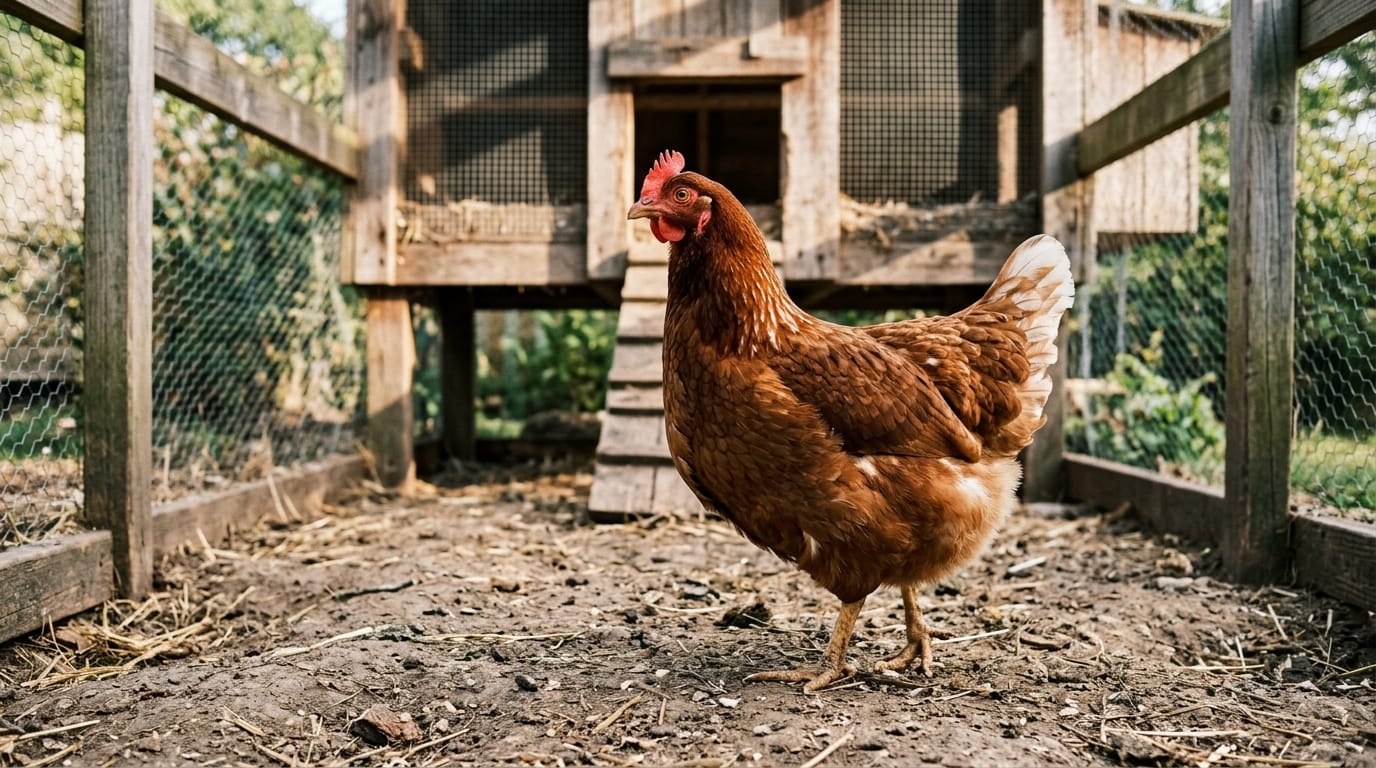
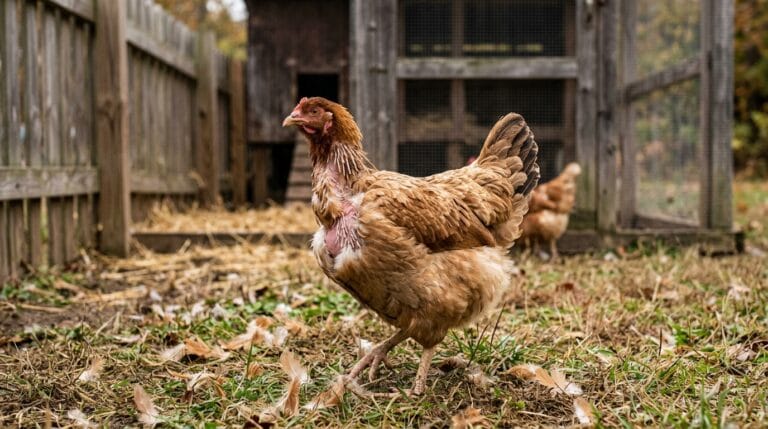
The two best layers I have ever kept were an afterthought. I added a pair of ISA Brown Chickens to my first chick order because they were the cheapest birds on the page, and by the end of that first year the two of them had out-laid the rest of the flock combined. Plain brown hens, nothing to photograph, an egg apiece nearly every morning.
That is the ISA Brown experience in one sentence, and it is why this unassuming hybrid has become one of the most searched-for chickens in the world. But there is a second half to the story that the hatchery catalogs soft-pedal: ISA Browns lay that hard for a shorter time, and a beginner who does not know that going in ends up confused and a little heartbroken in year three.
You do not need to be warned off this bird. We still keep them, and for a beginner who wants eggs immediately, I recommend them constantly. You just need the full picture before you order.
This guide covers what an ISA Brown actually is, how many eggs to expect and for how long, their temperament with kids and mixed flocks, the lifespan trade-off nobody advertises, roosters and chick sexing, and where to buy healthy birds.
Table of Contents
ISA Brown Chicken Breed Overview
| Trait | ISA Brown |
|---|---|
| Type | Commercial hybrid (sex-link), not a true breed |
| Eggs per year | 300 to 320 in the first laying year |
| Egg color and size | Brown, large |
| Starts laying | 18 to 22 weeks, often on the early end |
| Hen size | Around 4.5 to 5 lb |
| Temperament | Calm, friendly, good with children |
| Broodiness | Rare |
| Peak laying span | Roughly 2 to 3 years |
| Typical lifespan | 3 to 5 years for most birds |
| Best for | Beginners who want maximum eggs right away |
What Is an ISA Brown Chicken?
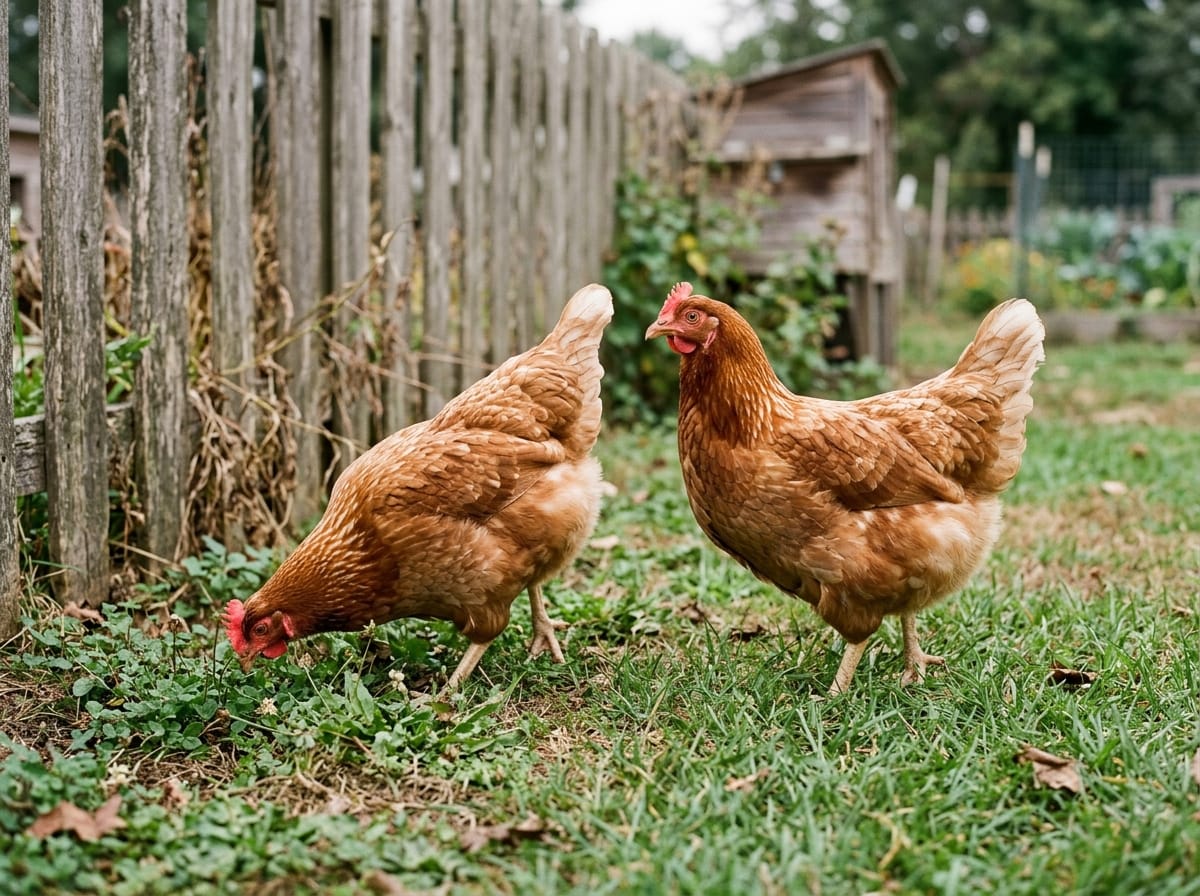
An ISA Brown is not a breed in the way a Rhode Island Red or an Orpington is. It is a commercial hybrid, developed in France in the late 1970s by the Institut de Sélection Animale (that is the ISA), a company that now sits inside the poultry genetics firm Hendrix Genetics. The exact parent lines are a trade secret, which is a strange sentence to write about a backyard hen, but it is true.
The practical consequences of “hybrid” matter more than the history. First, ISA Browns do not breed true: hatch eggs from your own ISA Browns and the chicks will be ordinary crossbreeds, not ISA Browns, without the same laying performance. Second, they are a sex-link cross, meaning male and female chicks hatch in different colors and can be sorted on day one with near-perfect accuracy. No surprise roosters, which anyone with a no-rooster town ordinance will appreciate.
You will also see nearly identical birds sold under other names: Golden Comet, Red Sex Link, Cinnamon Queen, Lohmann Brown. These are different companies’ versions of the same idea, a red-brown hybrid hen engineered to lay relentlessly, and for a backyard keeper the differences between them are small.
ISA Brown Egg Production: What to Actually Expect
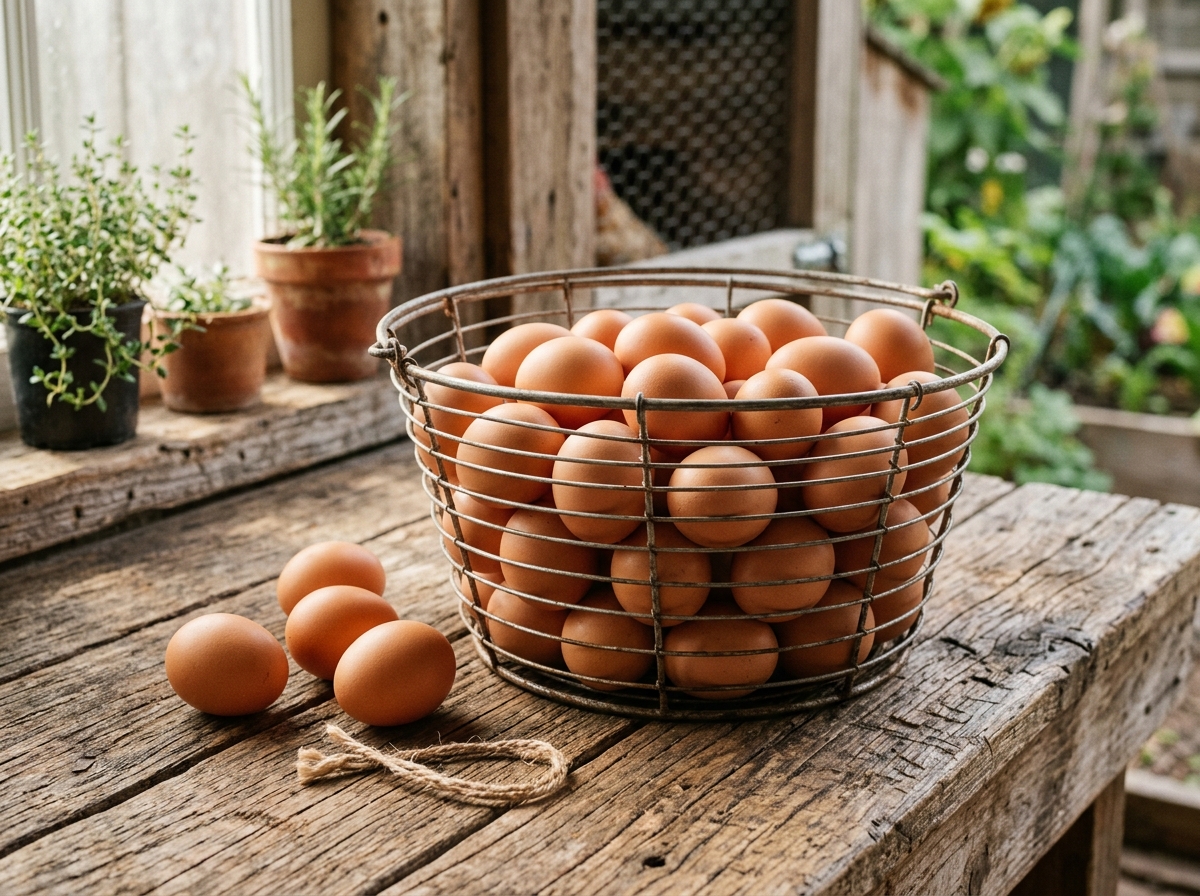
This is the number that sells the bird: 300 to 320 eggs in the first laying year. That is a large brown egg nearly every day, per hen, through most of the year. Three ISA Browns will keep a family of four in eggs with a surplus to give away. Ours laid through weather that shut the heritage hens down completely.
They start early, too. Most ISA Browns lay their first egg between 18 and 22 weeks, and ours have always been on the early side of that window, weeks ahead of the heavier breeds. If you want the full timeline from chick to first egg, our guide on when chickens start laying eggs walks through the signs that it is close.
Egg color is a consistent medium brown, sometimes with a light speckle, and eggs trend larger as the hen matures. The honest curve looks like this: a phenomenal first year, a very good second year at roughly 80 percent of the first, a noticeable step down in year three, and a steep decline after. That curve is the price of the first-year number, and it is the single most important thing to understand about this hen before you buy.
ISA Brown Temperament: Friendly to a Fault
ISA Browns are among the friendliest chickens you can put in a backyard. They are calm, curious, quick to associate people with food, and tolerant of being picked up, which makes them a genuinely good first bird for households with kids. Ours follow the wheelbarrow around the yard like gulls behind a fishing boat.
Two soft spots worth knowing. In a mixed flock, that mild temperament can land them near the bottom of the pecking order, so watch for feather-picking if you run them with assertive breeds like Rhode Island Reds. And because they are such eager eaters, they are also eager gate-crashers; an ISA Brown will be the first hen through an open garden gate every single time.
ISA Brown Lifespan: The Trade-Off Nobody Advertises
Here is the section I wish someone had written for me before my first order. Most ISA Browns live 3 to 5 years, against 8 or more for many heritage breeds. A hen bred to push out 300-plus eggs a year is running her reproductive system at full throttle, and high-production hybrids are more prone to laying-related health problems as they age, things like egg binding and reproductive tract disorders that backyard keepers of heritage breeds see far less often.
None of this makes the ISA Brown a bad choice. It makes her a specific choice. If you think of a laying flock the way you think of a vegetable garden, replanted on a cycle rather than permanent, ISA Browns are perfect: plan to add a few new pullets every second spring and let the flock turn over naturally. If what you want is a small permanent flock of long-lived birds with names, choose an Australorp or a Plymouth Rock from our ranking of the best egg laying chickens instead, and accept a few dozen fewer eggs a year.
ISA Brown Roosters and Chick Sexing
The sex-link genetics are one of the ISA Brown’s best features for beginners. Female chicks hatch reddish-brown and grow into the familiar chestnut hen. Male chicks hatch pale yellow and mature into mostly white birds. That color difference at hatch is why a sexed ISA Brown order is about as close to a rooster-free guarantee as chicken buying gets.
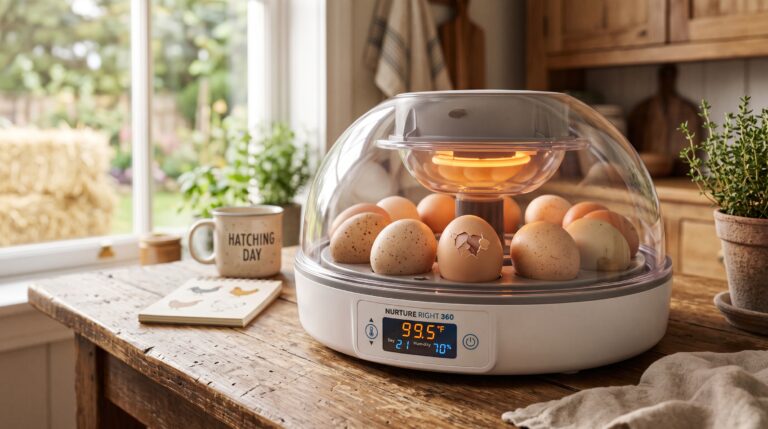
ISA Brown roosters themselves are something of a leftover in the system. They are fertile and generally even-tempered as roosters go, but they carry no special production genetics to pass on: cross an ISA rooster with ISA hens and you get ordinary chicks, not a new generation of super-layers, and the color-sexing trick disappears too. Since the hens almost never go broody anyway, keepers who want to hatch chicks usually do it with an incubator and eggs from a true breed; our guide to the best egg incubators for beginners covers that route.
Caring for ISA Brown Chickens
ISA Browns are easy keepers, but a hen laying 300 eggs a year is doing hard physiological work and her diet has to fund it. Feed a 16 percent layer ration as the backbone, and keep oyster shell available in a separate dish at all times; a high-production hen pulls more calcium through her system than almost any other backyard bird, and thin, brittle shells are the first warning that she is running short. Oregon State Extension’s laying hen feeding guide is the reference we follow, and our chicken feed guide covers the backyard version. A no-waste feeder and clean waterer matter more with these hens than most, simply because they eat and drink so enthusiastically.
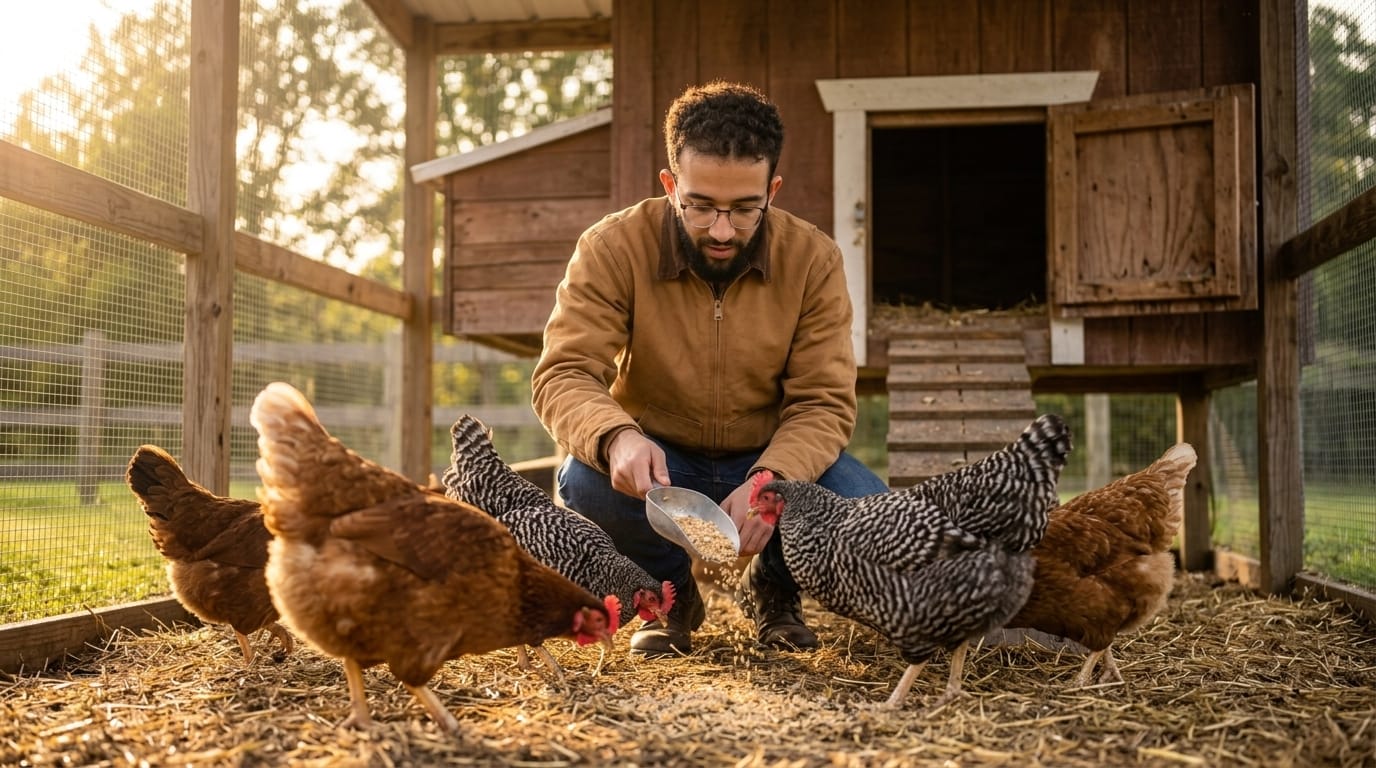
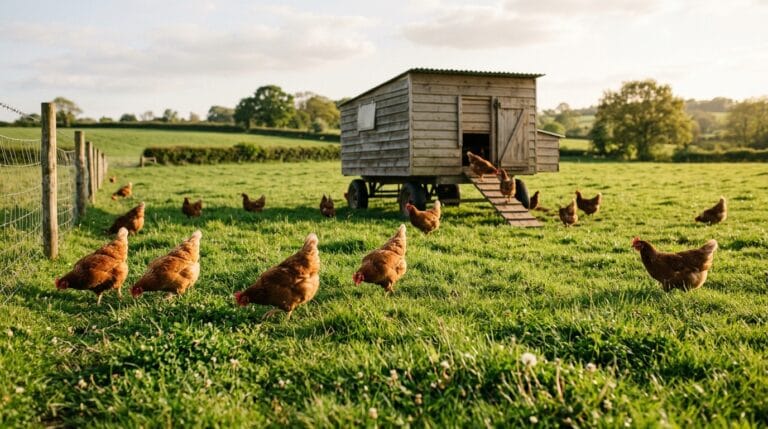
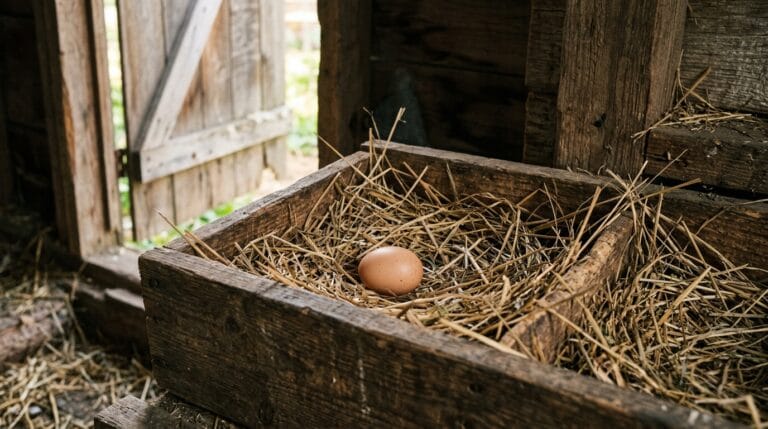
Beyond feed, their needs are ordinary: 3 to 4 square feet of coop space per bird, a properly sized nesting box for every four hens, and shade in summer, since heavier layers feel heat. Their single comb can take frostbite in hard winters, so a dry, draft-free coop matters in cold climates. Expect a real pause in laying during the fall molt; a hen regrowing feathers redirects protein from eggs to plumage, and with ISA Browns the before-and-after contrast is dramatic because the before is so high.
ISA Brown vs Golden Comet vs Rhode Island Red
These are the three birds beginners cross-shop most, and the comparison is really two hybrids and one heritage breed:
| Trait | ISA Brown | Golden Comet | Rhode Island Red |
|---|---|---|---|
| Type | Hybrid sex-link | Hybrid sex-link | Heritage breed |
| Eggs per year | 300 to 320 | 280 to 300 | 250 to 300 |
| Starts laying | 18 to 22 weeks | 18 to 22 weeks | 20 to 24 weeks |
| Peak laying span | 2 to 3 years | 2 to 3 years | 4 or more years |
| Temperament | Calm, friendly | Gentle, social | Hardy, can be bossy |
| Breeds true | No | No | Yes |
The honest summary: ISA Brown vs Golden Comet is a coin flip, because they are rival companies’ versions of the same hybrid concept, and your choice will usually come down to which one your hatchery carries. ISA Brown vs Rhode Island Red is the real decision, and it is the hybrid-versus-heritage question in miniature: maximum eggs now versus fewer eggs for more years from a bird that can also reproduce itself. Our guide to the best chicken breeds for beginners weighs that trade-off across the whole flock.
Where to Buy ISA Brown Chickens
ISA Browns are among the easiest chickens in the country to find and among the cheapest to buy, typically only a few dollars for a sexed day-old chick. Mail-order hatcheries carry them or an equivalent red sex-link nearly year-round, and feed stores stock them every spring, sometimes under one of the alternate names from earlier. Because the sexing is color-based, a “pullet” order of ISA Browns is about as reliable as that word ever gets.
If you want eggs this season rather than in five months, look for started ISA Brown pullets at 16 to 20 weeks from a local farm or hatchery. You will pay several times the chick price and skip the brooder stage entirely, which is a fair trade for most beginners. One caution carried over from every buying guide we write: be skeptical of classified ads selling adult “ISA Brown laying hens” cheap. Given this hybrid’s steep production curve, a two-year-old ISA Brown is a very different purchase than a two-year-old heritage hen, and sellers know it.
From the In Homestead Shop
Starting your first flock?
The Backyard Chickens Starter Guide covers your whole first year: choosing the best breeds for eggs, plus breeds, feed, and daily care, sourced from cooperative extension guidance and the Merck Veterinary Manual, with two printables.
The Free Garden Starter Pack
Five printable pages that take the guesswork out of a first season, plus a short email every week or two when something is worth planting, picking, or putting up.
- A garden planning worksheet you can actually fill in
- A seed-starting and planting calendar
- A harvest log to track what really produced
No spam, ever. Unsubscribe in one click.
Thank you. You are on the list.
Your Garden Starter Pack is ready right now. Grab it here:
Download the pack (PDF)Keep an eye on your inbox. The next seasonal guide lands there first.
Equipment
What You Need
- Aspen nesting pads sized for a 12 by 12 box. Excelsior pads let droppings fall through and cushion the eggs, so fewer crack and you are not scrubbing them. Lift the old one out, drop a fresh one in.
- A feeder and waterer sized to your flock. We compared five of each for beginners. The short version is that a hanging or port-style feeder wastes far less than an open trough.
- A coop with the right nest box count. One box per three to four hens is the working rule. Our build guide covers dimensions, ventilation and predator-proofing.
Some links above are affiliate links. If you buy through them we earn a small commission at no extra cost to you, and it does not change what we recommend. As an Amazon Associate, we earn from qualifying purchases.
Frequently Asked Questions About ISA Brown Chickens
When do ISA Browns start laying?
Most ISA Browns lay their first egg between 18 and 22 weeks of age, earlier than nearly any heritage breed. A spring chick will typically start laying in late summer or early fall of the same year.
How long do ISA Brown chickens live?
Most live 3 to 5 years, shorter than heritage breeds, because high egg output takes a real toll on the hen’s body. Peak laying lasts roughly the first 2 to 3 years, so plan flock replacements around that curve.
What color eggs do ISA Browns lay?
Medium brown, large, and remarkably consistent, occasionally with light speckling. Egg size increases as the hen matures through her first laying year.
Are ISA Brown chickens friendly?
Yes, notably so. They are calm, people-oriented, and tolerant of handling, which makes them one of the better first chickens for families with children. Their mild nature can put them low in the pecking order of a mixed flock, so watch for bullying from assertive breeds.
Do ISA Browns go broody?
Rarely. Broodiness was bred out of them because a sitting hen is not a laying hen. If you want to hatch chicks, use an incubator or a naturally broody breed like a Wyandotte, and remember ISA Brown eggs will not hatch into ISA Browns anyway.
Can you breed ISA Brown chickens?
Not in any meaningful sense. ISA Browns are a hybrid from proprietary parent lines, so their offspring are ordinary mixed-breed chickens without the parents’ laying performance or the color-sexing trait. Every true ISA Brown comes from a hatchery.
Final Thoughts
Those two afterthought hens from my first order taught me most of what is in this article. They out-worked every bird we owned, they met me at the gate every morning, and they were done laying seriously before the fancy breeds hit their stride. Both things are true at once, and that is the whole ISA Brown story.
If you are starting a flock for eggs, order two or three sexed ISA Brown chicks, or started pullets if you are impatient, and plan now to add replacements in two springs. You will have full cartons by fall and no surprises in year three, which is about the best deal a beginner gets in chickens.