Best Egg Laying Chickens: 12 Breeds Ranked for Beginners (With Chart)
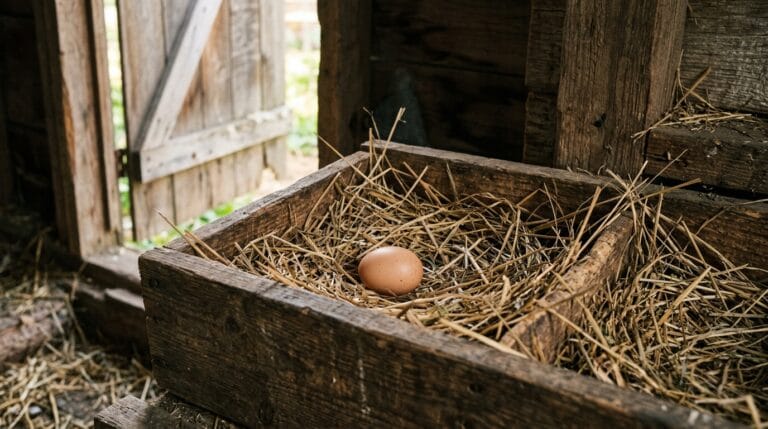
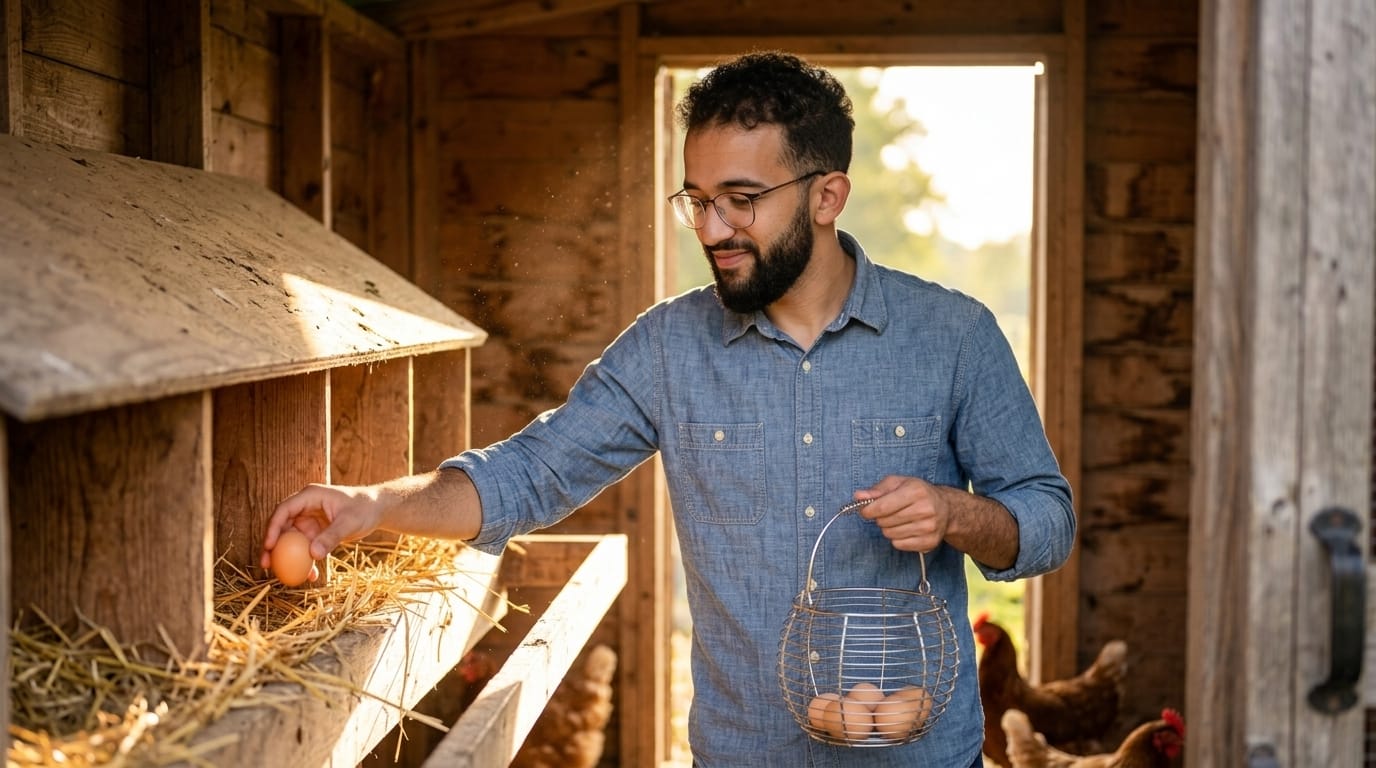
Every morning around seven, I walk out to the coop with a wire basket and a cup of coffee, and every morning the same two hens have already announced their work to the whole neighborhood. That basket is the honest scoreboard of a laying flock. And my first year keeping chickens, the scoreboard embarrassed me.
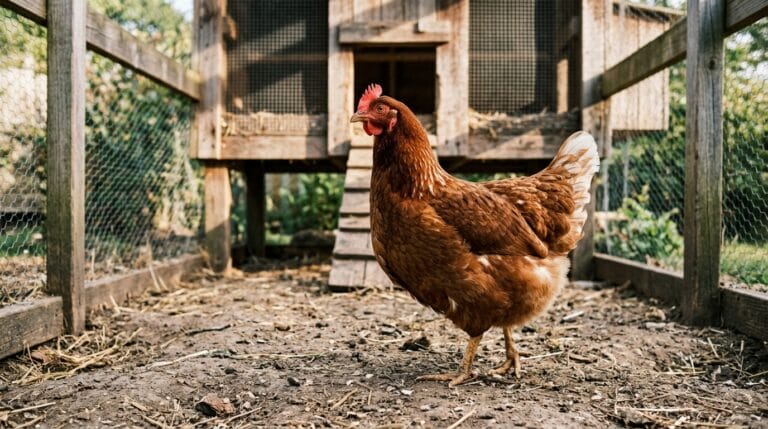
I had picked my first six hens mostly by looks. Two of them were beautiful birds, the kind you see on homestead calendars, and between the two of them I got maybe three eggs a week. The plain brown ISA Browns I had added as an afterthought each laid nearly an egg a day and carried the whole basket while the pretty ones ate the same feed for a fraction of the return.
That is the quiet math of egg breeds: the difference between a hen that lays 150 eggs a year and one that lays 300 is invisible at the feed store and enormous twelve months later. You do not need rare breeds, expensive stock, or a big flock to get a full basket. You need three or four hens chosen for the job.
This guide ranks the 12 best egg laying chickens by real annual egg counts, gives you a full comparison chart, covers the breeds that lay blue, green, and chocolate eggs, and walks through where to actually buy your first laying hens without getting burned.
Quick Picks: Best Egg Laying Chickens by Goal
If you are standing in front of a hatchery order form right now, here is the short version:
- Best overall for beginners: Golden Comet or ISA Brown. Friendly, quiet, nearly an egg a day. If I could only recommend one first bird, it is one of these two.
- Most eggs, period: ISA Brown, Lohmann Brown, or Leghorn. 300 or more per hen in year one.
- Best long-haul homestead bird: Australorp or Rhode Island Red. Slightly fewer eggs than the hybrids, but they lay well for more years.
- Best with kids: Orpington, Australorp, or Sussex. Calm enough to be carried around the yard, and they will be.
- Best cold-climate layers: Plymouth Rock, Wyandotte, Orpington. Heavy bodies, small combs, steady winter attitude.
- Prettiest egg basket: Ameraucana, Marans, Easter Egger. Blue, chocolate brown, and green, and yes, they taste the same.
| Homestead Goal | Best Breed Choices | Why They Work |
|---|---|---|
| Best overall egg production | ISA Brown, Lohmann Brown, Leghorn | These breeds are known for very high annual egg output. |
| Best for beginners | Golden Comet, ISA Brown, Australorp | Friendly, dependable, and easier to manage. |
| Best for cold climates | Plymouth Rock, Wyandotte, Orpington | Hardy bodies and better winter tolerance. |
| Best for hot climates | Leghorn, Rhode Island Red, Sussex | Active, heat-tolerant, and good foragers. |
| Best family-friendly hens | Orpington, Australorp, Sussex | Calm, gentle, and good around children. |
| Best dual-purpose homestead birds | Rhode Island Red, Plymouth Rock, Orpington, Sussex | Useful for both eggs and meat. |
| Best colorful egg basket | Ameraucana, Marans, Welsummer, Olive Egger | Blue, chocolate brown, speckled, and olive eggs. |
| Best free-range flock | Rhode Island Red, Sussex, Leghorn, Plymouth Rock | Good foragers that can help reduce feed costs. |
Best Egg Laying Chickens Chart: All 12 Breeds Compared
Here is the full chart. The egg counts are realistic first-year and second-year numbers for healthy hens, not hatchery-catalog optimism. Individual birds vary, and every number here drifts down as a hen ages.
| Breed | Estimated Eggs Per Year | Egg Color | Temperament | Best For |
|---|---|---|---|---|
| ISA Brown | 300–320 | Brown | Calm, friendly | Maximum eggs for beginners |
| Lohmann Brown | 300+ | Brown | Friendly, quiet | Efficient egg production |
| Leghorn | 280–320 | White | Active, flighty | High production in warm climates |
| Golden Comet | 280–300 | Brown | Gentle, social | Family backyard flocks |
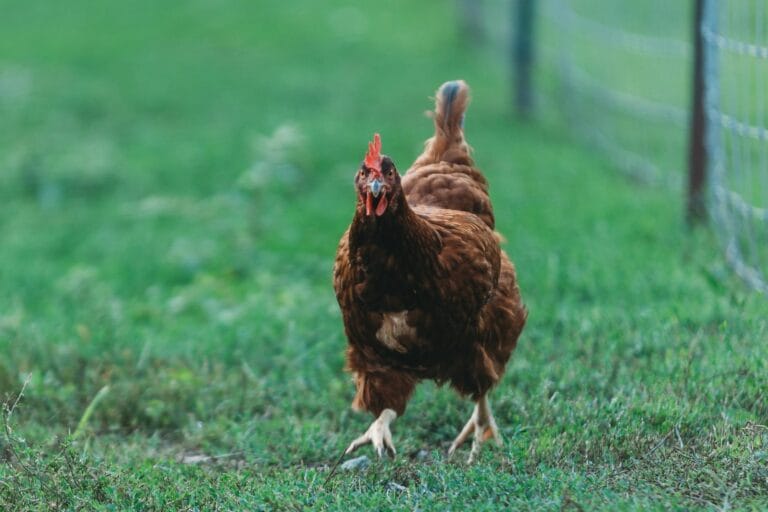
| Rhode Island Red | 250–300 | Brown | Hardy, independent | Classic homestead flocks |
| Australorp | 250–300 | Light brown | Calm, gentle | Families and beginners |
| Sussex | 240–260 | Light brown to cream | Curious, friendly | Free-ranging homesteads |
| Plymouth Rock | 200–280 | Brown | Docile, hardy | Cold climates and beginners |
| Orpington | 200–280 | Brown | Very gentle | Families and dual-purpose flocks |
| Marans | 200–250 | Dark chocolate brown | Quiet, hardy | Beautiful dark eggs |
| Wyandotte | 200–240 | Brown | Calm, sometimes broody | Cold climates and natural hatching |
| Ameraucana | 180–220 | Blue | Hardy, alert | Colorful egg baskets |
What Makes a Chicken a Great Egg Layer?
Four things decide how many eggs land in your basket, and breed genetics is the one you lock in on ordering day. Production hybrids like the ISA Brown were bred for one job and do it relentlessly. Heritage breeds trade some volume for longevity, hardiness, and better foraging.
The other three you manage. Age matters: pullets begin laying around 18 to 22 weeks depending on breed, peak in their first two years, then taper roughly 10 to 20 percent each year after (our guide on when chickens start laying eggs covers the timeline). Daylight drives the cycle, which is why baskets get light in December no matter what breed you keep. And feed quality sets the ceiling; a laying hen on a proper 16 percent layer ration with free-choice calcium will outlay the same bird on scratch grains every time, something Oregon State Extension’s feeding guide lays out in detail.
So the honest promise of this list is not “buy these breeds and get 300 eggs no matter what.” It is “these breeds make the eggs possible.” The care makes them real.
The 12 Best Egg Laying Chickens, Ranked
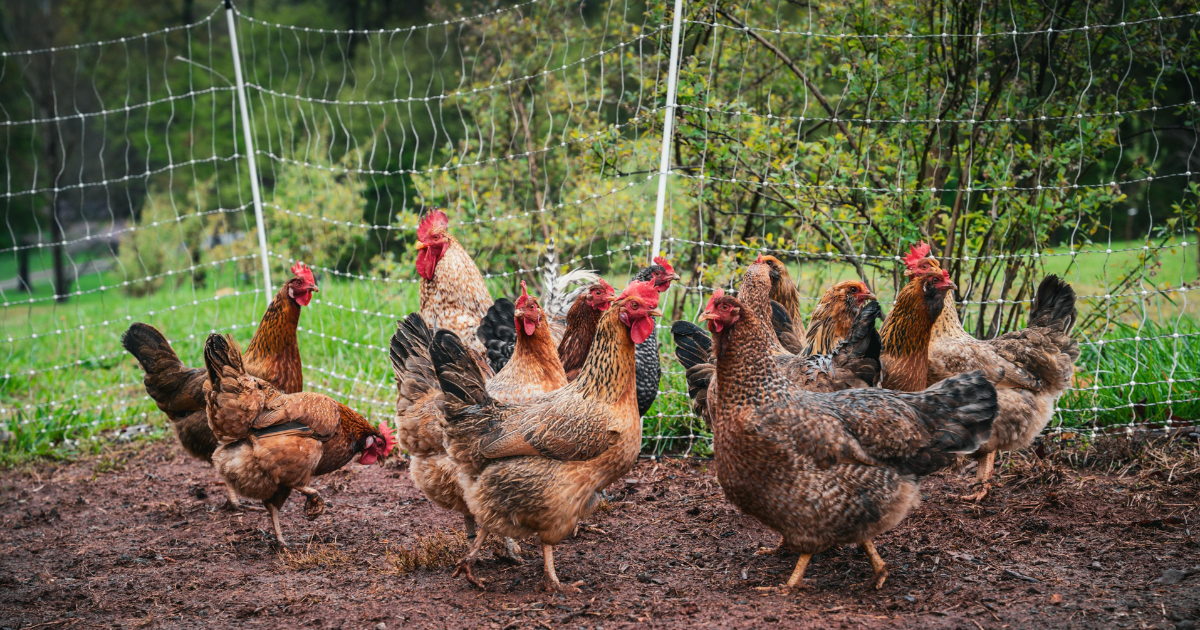
Ranked by annual egg count, with the trade-offs named. The top four are production hybrids; from the Rhode Island Red down you are in heritage territory, where the counts dip and the lifespan of the laying career stretches out.
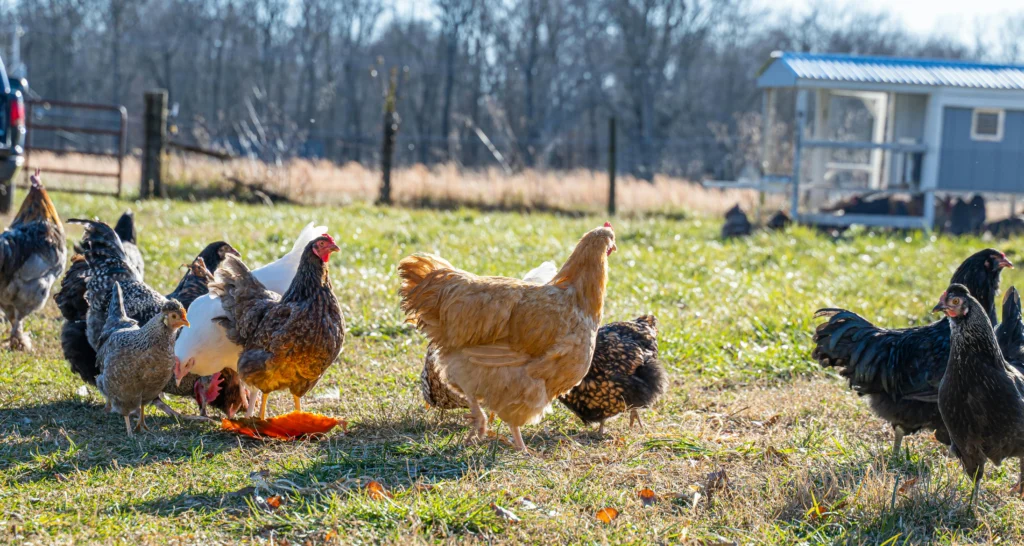
1. ISA Brown (300 to 320 Eggs Per Year)
The ISA Brown is not technically a breed. It is a commercial hybrid developed for the egg industry, and it lays like it. Ours started at 20 weeks and barely took a day off their first year. They are calm, friendly to the point of being underfoot, and they handle confinement and beginners equally well.
The trade-off is that hybrids burn bright and brief. Expect two or three heavy years, then a steep drop, and plan your flock around that. If you want maximum eggs from day one and do not mind replacing hens sooner, this is the bird.
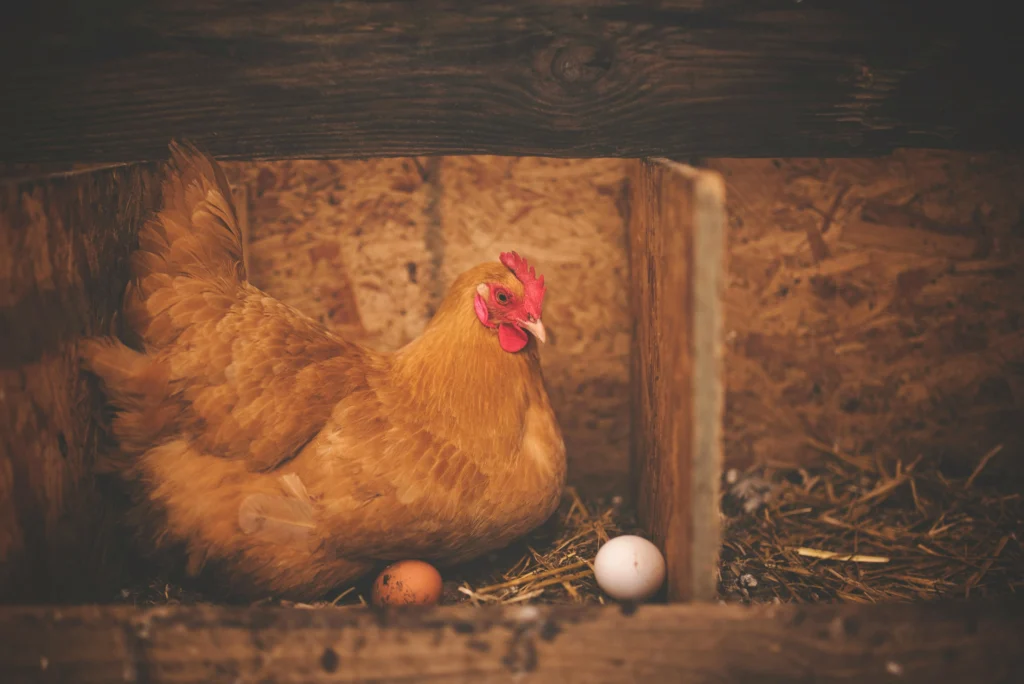
2. Lohmann Brown (300+ Eggs Per Year)
Another commercial brown-egg hybrid, so close to the ISA Brown in practice that hatcheries sometimes blur the two. Lohmanns are quiet, efficient converters of feed into large brown eggs, and they start early, often before 20 weeks. Same caveat as the ISA: brilliant for two or three seasons, then production falls off fast. Buy them for output, not for a five-year flock plan.
3. Leghorn (280 to 320 Eggs Per Year)
The White Leghorn is the reason grocery store eggs are white. Light-bodied, heat-tolerant, and cheap to feed for what it returns, a Leghorn will out-produce almost anything in a warm climate. What it will not do is sit in your lap. Leghorns are flighty, noisy, and happiest with room to range. Great production bird, poor pet, and honestly better suited to a working flock than a family backyard.
4. Golden Comet (280 to 300 Eggs Per Year)
If a friend with kids asks me for one first chicken, I say Golden Comet and stop talking. Comets are a sex-link hybrid, meaning chicks can be sexed by color on hatch day, so you will not raise a surprise rooster. They lay nearly as hard as an ISA Brown, mature early, and are gentle enough that children can manage them. Same hybrid caveat as the rest of the top four: plan on their best work coming in the first two to three years.
5. Rhode Island Red (250 to 300 Eggs Per Year)
The classic American homestead bird, and the first heritage breed on this list. Rhode Island Reds are tough, independent, excellent foragers, and reliable layers of large brown eggs for more years than any hybrid will give you. The Livestock Conservancy lists them among the most dependable dual-purpose breeds ever developed. Hens can be a little bossy in a mixed flock; ours sits at the top of the pecking order and knows it.
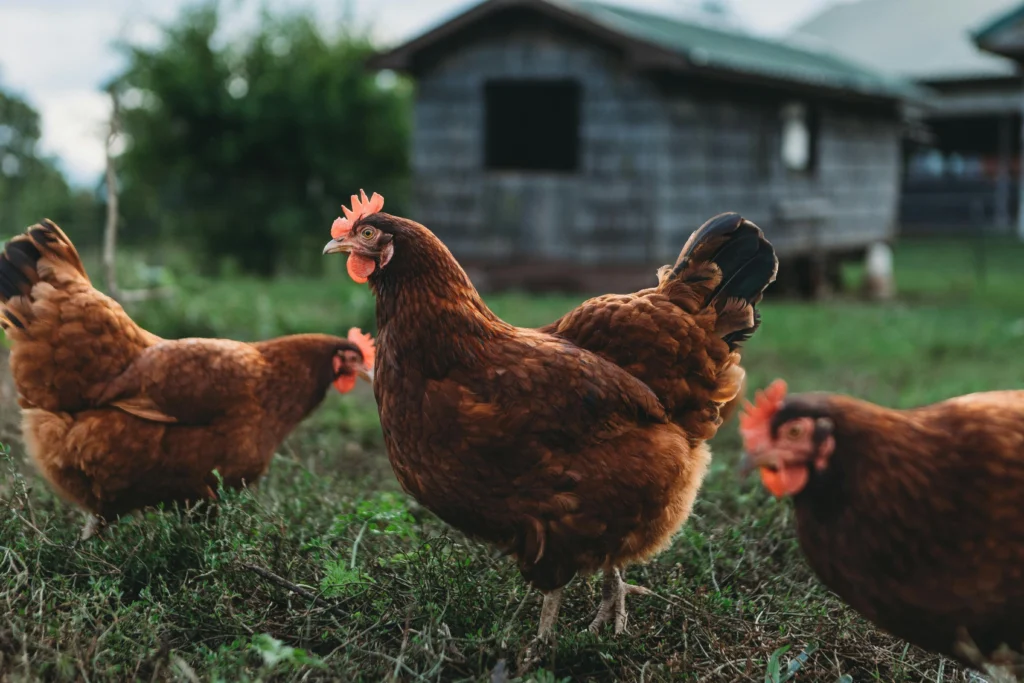
6. Australorp (250 to 300 Eggs Per Year)
An Australian breed built on Orpington stock, and the heritage bird that comes closest to hybrid numbers. An Australorp holds a documented world record of 364 eggs in 365 days, set under test conditions, and while your backyard bird will not repeat it, 250-plus is realistic. They are calm, glossy black, cold-hardy, and in our flock the steadiest winter layers we have. If you want one breed to keep for years without babying, this is my pick.
7. Sussex (240 to 260 Eggs Per Year)
The Speckled Sussex is the curious one, the hen that follows you around the garden and inspects whatever you are doing. Sussex lay dependably through cold weather, forage well, and dress out respectably if you keep a dual-purpose flock. Their friendliness is genuine, not just calm indifference, which makes them a favorite with families who want a flock that feels like part of the yard.
8. Plymouth Rock (200 to 280 Eggs Per Year)
The Barred Rock is the bird in every old farm photo, and it earned the spot. Docile, winter-hardy, and steady rather than spectacular: four to five brown eggs a week, most weeks, for years. Rocks tolerate confinement, mix peacefully, and are about as low-drama as chickens get. A very safe first heritage breed.
9. Orpington (200 to 280 Eggs Per Year)
Buff Orpingtons are the golden retrievers of the chicken yard: big, soft, and endlessly patient with children. They lay respectably and their feathering carries them through cold winters. Two honest costs: they go broody often, which pauses laying while they sit, and their size means they eat more per egg than a lighter bird. Worth it if temperament is near the top of your list.
10. Marans (200 to 250 Eggs Per Year)
Marans lay the darkest eggs you can get, a deep chocolate brown that makes visitors stop and pick one up. Egg color fades somewhat through each laying cycle, so do not expect every egg to look like the photos. Beyond the shell, they are quiet, hardy, unfussy birds. If you ever sell eggs at a farm stand, a few Marans eggs in every carton do more marketing than a sign.
11. Wyandotte (200 to 240 Eggs Per Year)
Wyandottes are built for northern winters: heavy bodies, dense feathering, and a low rose comb that shrugs off frostbite. They lay steadily through cold months when lighter breeds quit, and hens go broody often enough to hatch replacements if you keep a rooster. Expect a bird that is calm but reserved, more coworker than pet.
12. Ameraucana (180 to 220 Eggs Per Year)
The lowest count on this list buys you blue eggs. True Ameraucanas are hardy, alert birds with muffs and a pea comb, and their shells are a genuine pale blue inside and out. One buying note: many feed stores sell “Americanas” or “Ameraucanas” that are actually Easter Eggers, a mixed bird that may lay blue, green, or plain brown. Easter Eggers are excellent chickens and usually cheaper, just know which one you are paying for.
Chickens That Lay Colored Eggs
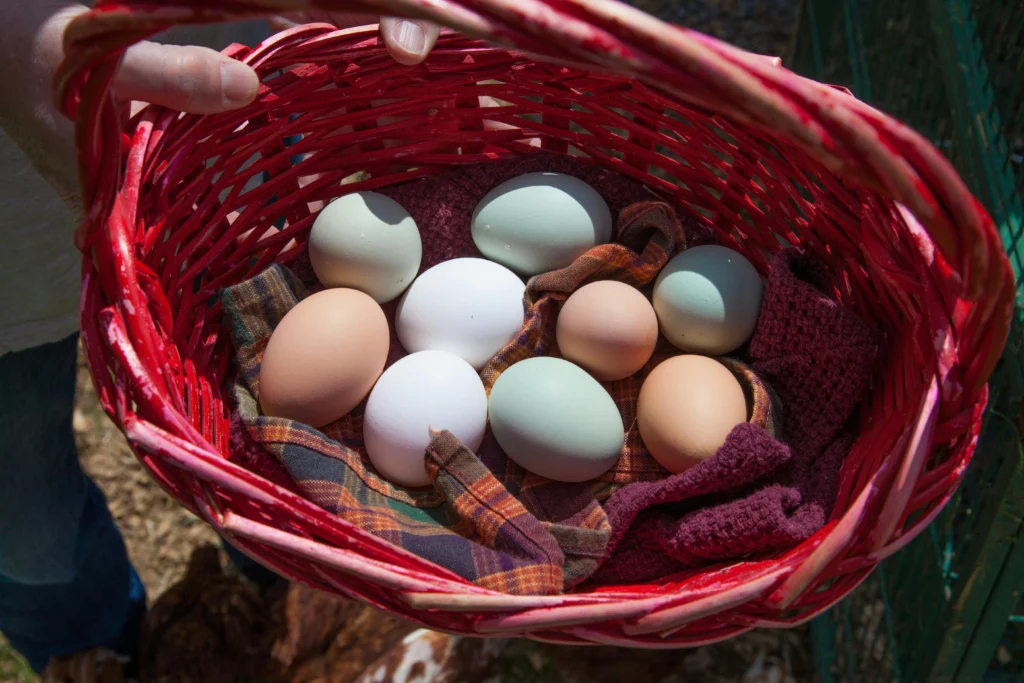
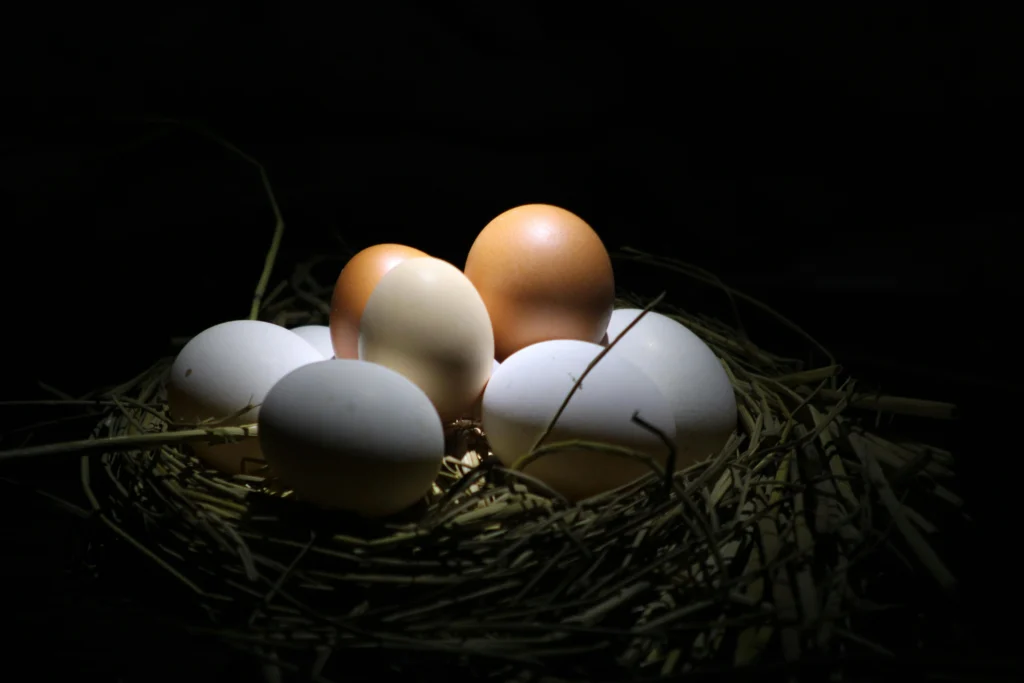
A mixed-color egg basket is one of the small daily pleasures of keeping chickens, and it costs you almost nothing in production if you choose well. Shell color is purely genetic, runs shell-deep, and has no effect on flavor or nutrition. Here is who lays what:
| Egg Color | Breeds to Look For | Worth Knowing |
|---|---|---|
| Blue | Ameraucana, Cream Legbar | True blue inside and out |
| Green or olive | Easter Egger, Olive Egger | Hybrids; each hen lays one color for life |
| Dark chocolate brown | Marans, Welsummer | Welsummer eggs are often speckled |
| White | Leghorn | Highest production on this list |
| Every shade of brown | Most breeds above | From cream (Sussex) to medium brown (ISA, Rhode Island Red) |
My practical suggestion: build the core of the flock from the production and dual-purpose breeds above, then add one or two Easter Eggers or a Marans for the basket. You give up a handful of eggs a month and the carton stops looking store-bought forever. If you are still buying some of them, it is worth knowing what the labels on that carton actually guarantee.
Where to Buy Laying Hens (and What to Avoid)
Choosing the breed is half the decision. Where you buy determines whether you actually get that breed, healthy, and the age you expected. You have four realistic options.
Mail-order hatcheries offer the widest breed selection and ship day-old chicks to your post office. Order from an NPIP-certified hatchery (a federal-state health certification program), choose sexed pullets rather than straight run unless you want roosters, and remember chicks mean six months of brooding and feeding before the first egg. Most spring hatch dates sell out early, so order in winter.
Feed stores sell chicks every spring, and it is the easiest way to start small since there is no shipping minimum. Selection is limited to a handful of breeds, and labeling can be loose. This is where most accidental Easter Eggers come from.
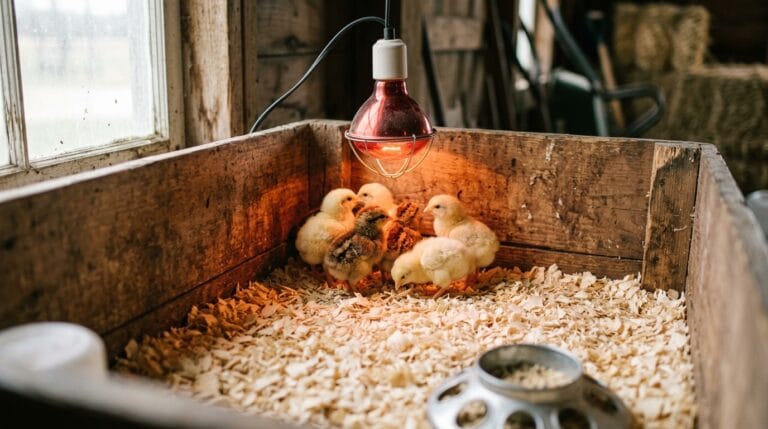
Started pullets, birds around 16 to 20 weeks that are weeks away from their first egg, cost several times the price of a chick and are worth every penny for a beginner who wants eggs this season without running a brooder. Local farms and some hatcheries sell them; pick them up in person if you can.
Classified-ad adult hens are the trap. “Laying hens for sale” very often means hens two or more years old, past their peak, being culled from someone else’s flock. A hen’s comb and legs hint at age, but a beginner cannot reliably tell a 1-year-old from a 4-year-old. Unless you know the seller, put that money toward started pullets instead. And if the long game appeals to you, hatching your own is a genuine option; our guide to the best egg incubators for beginners covers what that takes.
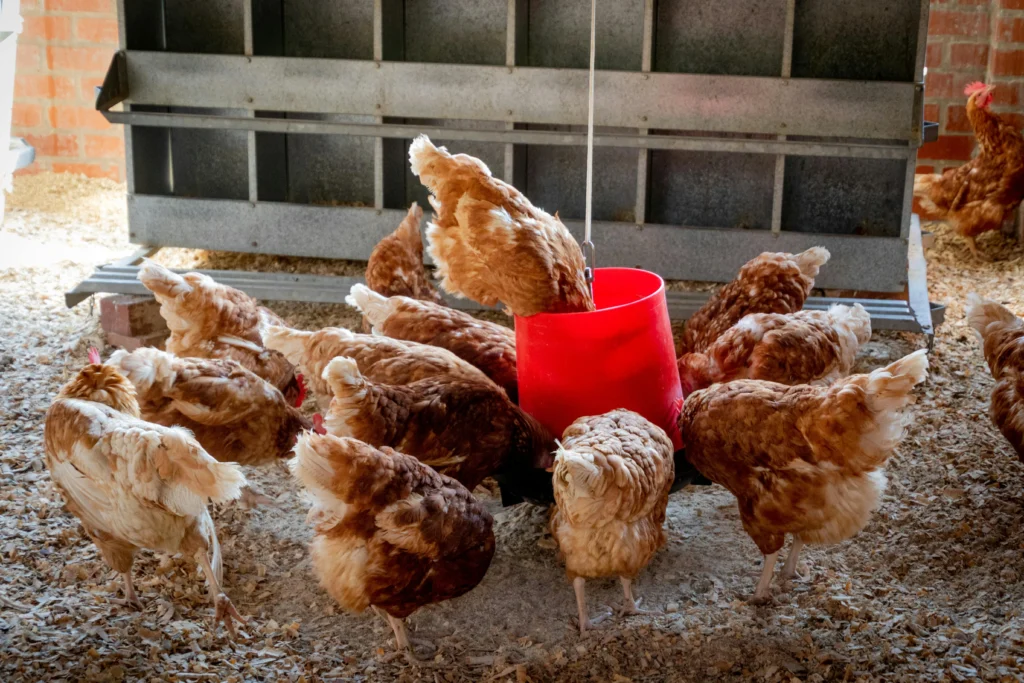
Equipment
What You Need
- Aspen nesting pads sized for a 12 by 12 box. Excelsior pads let droppings fall through and cushion the eggs, so fewer crack and you are not scrubbing them. Lift the old one out, drop a fresh one in.
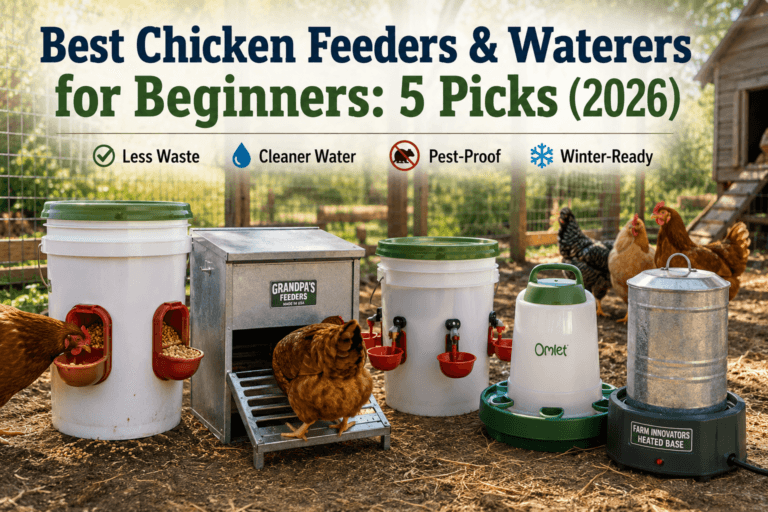
- A feeder and waterer sized to your flock. We compared five of each for beginners. The short version is that a hanging or port-style feeder wastes far less than an open trough.
- A coop with the right nest box count. One box per three to four hens is the working rule. Our build guide covers dimensions, ventilation and predator-proofing.
- Feed, grit and oyster shell. Buy these locally. They are heavy, cheap per pound, and every farm store carries them, so shipping rarely makes sense. Oyster shell goes in a separate dish rather than mixed into the feed.
Some links above are affiliate links. If you buy through them we earn a small commission at no extra cost to you, and it does not change what we recommend. As an Amazon Associate, we earn from qualifying purchases.
Matching the Breed to Your Setup
Small Backyard Flocks
With three or four hens on a small lot, every bird has to earn her spot, and your neighbors are part of the equation. Golden Comets, Australorps, and Plymouth Rocks give you high output with low volume, in both senses. Skip Leghorns; they are loud out of proportion to their size.
Cold-Climate Homesteads
Below zone 6, pick heavy bodies and small combs: Wyandotte, Plymouth Rock, Orpington, Australorp. Large single combs like a Leghorn’s are the first thing frostbite finds. A dry, draft-free coop matters more than a heated one; if you are still building, our chicken coop guide covers winter-ready basics.
Families With Kids
Orpington, Sussex, Australorp, Golden Comet. All four tolerate being picked up, carried, and shown to visitors. If gentleness matters more than the last dozen eggs, weight the flock toward Orpingtons and accept the occasional broody spell.
Eggs and Meat: Dual-Purpose Flocks
The best dual purpose chickens are the old farm standards: Rhode Island Red, Plymouth Rock, Sussex, and Orpington. They lay 200-plus eggs a year and still put real meat on the table when a bird’s laying career ends. That combination, not maximum output of either one, is what made these breeds homestead defaults for a century. If you are choosing your very first birds and still weighing overall temperament and hardiness, our guide to the best chicken breeds for beginners ranks them from that angle.
Getting the Eggs the Chart Promised
Breed choice sets the ceiling; daily care decides how close you get to it. The list is shorter than most articles make it. Feed a 16 percent layer ration as the base of the diet, with oyster shell in a separate dish so each hen takes the calcium she needs (our chicken feed guide breaks down the details, and a no-waste feeder keeps the ration in the birds instead of the bedding). Keep water clean and unfrozen; a thirsty hen stops laying before she does almost anything else. Give them one nesting box per four hens, sized right, so eggs end up where you can find them; our nesting box size guide has the dimensions.
And go in with honest winter expectations. Laying follows daylight, and most flocks slow or stop as days shorten. You can add light on a timer to keep production up; we choose not to, and let the hens take the rest. Either choice is defensible. Being surprised in December is the only wrong option.
From the In Homestead Shop
Starting your first flock?
The Backyard Chickens Starter Guide covers your whole first year: choosing the best breeds for eggs, plus breeds, feed, and daily care, sourced from cooperative extension guidance and the Merck Veterinary Manual, with two printables.
The Free Garden Starter Pack
Five printable pages that take the guesswork out of a first season, plus a short email every week or two when something is worth planting, picking, or putting up.
- A garden planning worksheet you can actually fill in
- A seed-starting and planting calendar
- A harvest log to track what really produced
No spam, ever. Unsubscribe in one click.
Thank you. You are on the list.
Your Garden Starter Pack is ready right now. Grab it here:
Download the pack (PDF)Keep an eye on your inbox. The next seasonal guide lands there first.
Frequently Asked Questions About the Best Egg Laying Chickens
What are the best egg laying chickens for beginners?
Golden Comets and ISA Browns are the easiest high-production starting point: calm, friendly, early to lay, and nearly an egg a day in their prime. If you would rather start with a longer-lived heritage bird, an Australorp or Plymouth Rock gives up only a few eggs a month in exchange for more laying years.
Which chicken lays the most eggs?
Commercial hybrids top the charts: ISA Browns and Lohmann Browns commonly reach 300 to 320 eggs in their first laying year, with White Leghorns close behind. Among true heritage breeds, the Australorp is the standout, and holds the historical record of 364 eggs in 365 days under test conditions.
How many eggs does a chicken lay per day?
One at most. Forming an egg takes a hen about 25 to 26 hours, so even the best layer physically cannot produce two a day. A “300 egg” hen is simply one that hardly ever skips a day during her laying season.
Which egg laying chickens lay colored eggs?
Ameraucanas and Cream Legbars lay blue eggs, Easter Eggers and Olive Eggers lay green to olive, and Marans and Welsummers lay dark chocolate brown. Shell color is genetic and cosmetic only; the inside of the egg is identical.
What are the best egg laying chickens for cold climates?
Wyandottes, Plymouth Rocks, Orpingtons, and Australorps handle hard winters best thanks to heavy bodies and small or rose combs that resist frostbite. Pair them with a dry, draft-free coop and they will keep laying, at a reduced pace, through the cold months.
At what age do chickens start laying eggs?
Most breeds here begin between 18 and 22 weeks, with hybrids like the ISA Brown on the early end and heavier breeds like Orpingtons and Wyandottes sometimes closer to 24 weeks or beyond. Our full guide to when chickens start laying eggs covers the signs that the first egg is close.
Do chickens lay eggs all year?
No. Production drops as daylight shortens, and most hens pause entirely during their annual molt in fall. Cold-hardy breeds like Australorps and Wyandottes keep a reduced winter pace, and supplemental light on a timer can extend the season if you choose to use it.
Conclusion: Choosing Your Best Egg Laying Chickens
Years after those first six hens, the scoreboard basket still tells the truth every morning. The difference is that now every hen in the run earns her feed, because I picked the flock for the job instead of the calendar photo.
Your next step is simple. Pick two or three breeds from the chart that match your climate and your household, decide between chicks and started pullets, and order early enough to catch spring hatch dates. Three well-chosen hens will hand you around 800 eggs in the next year. That is a lot of breakfasts for one small decision made well.