Container Garden Ideas for Small Spaces
There is a particular kind of doubt that stops people before they start. You look at your space, a narrow balcony, a concrete patio, a single sunny windowsill, and decide it is too small to grow anything real. So you skip it for another year.
Then one summer you put a pot of basil on the rail and a tomato in a five-gallon bucket, and by August you are pinching leaves for dinner and watching cherry tomatoes ripen at eye level. The space did not get bigger. You just used it.
You do not need a yard. You do not need raised beds or a fence line or good soil. Container gardening lets you grow herbs, vegetables, and flowers in pots, buckets, and railing planters on whatever square footage you already have. This guide walks through container garden ideas for small spaces, which plants actually thrive in pots, how to choose containers and soil that do not fight you, and the handful of beginner mistakes worth dodging from the start. If gardening itself is brand new to you, our guide to starting a garden as a complete beginner is a good companion read.
What Is Container Gardening?
Container gardening is exactly what it sounds like: growing plants in pots and other containers instead of in the ground. The container can be a terracotta pot, a plastic tub, a hanging basket, a wooden box, a fabric grow bag, or a repurposed bucket with holes drilled in the bottom.
The appeal for a small space is control. You decide where the plant lives, what soil it gets, and how much water it takes. You can chase the sun across a patio, pull a tender plant inside before a frost, and grow a tomato three floors up with no soil in sight. It is the most forgiving way to start, because almost everything about it can be adjusted after the fact.
Why Container Garden Ideas Work So Well for Small Spaces
A garden bed asks for ground, sun, and a season of commitment before you know if it worked. A container asks for a pot and an afternoon. That lower stakes is the whole reason containers suit small spaces and new gardeners so well.
- They fit anywhere: balcony, patio, deck, stoop, windowsill, or a strip of pavement.
- They move, so you can follow the sun or duck a cold snap.
- They sidestep bad ground. Poor or paved-over soil stops mattering.
- They are easier on your back. A raised pot or rail planter needs no kneeling.
- They have fewer weeds and fewer ground pests to manage.
University of Minnesota Extension makes the same case in its guide to container gardening for small spaces: with the right pot and a sunny spot, a balcony or step can grow a surprising amount of food and flowers.
Best Container Garden Ideas for Small Spaces
The best idea is the one that fits your actual space and light. Start by watching where the sun falls for a day. Most vegetables want six or more hours of direct sun; herbs and many flowers will take less. Once you know your light, pick from the layouts below.
1. Balcony Container Garden Ideas for Apartments
A balcony has more growing room than it looks. Use the floor for larger pots, the railing for planters, and the wall for hanging baskets, and you triple your space without taking a step. Check your railing’s weight limit before you load it, and group thirsty plants together so watering is one trip, not ten.
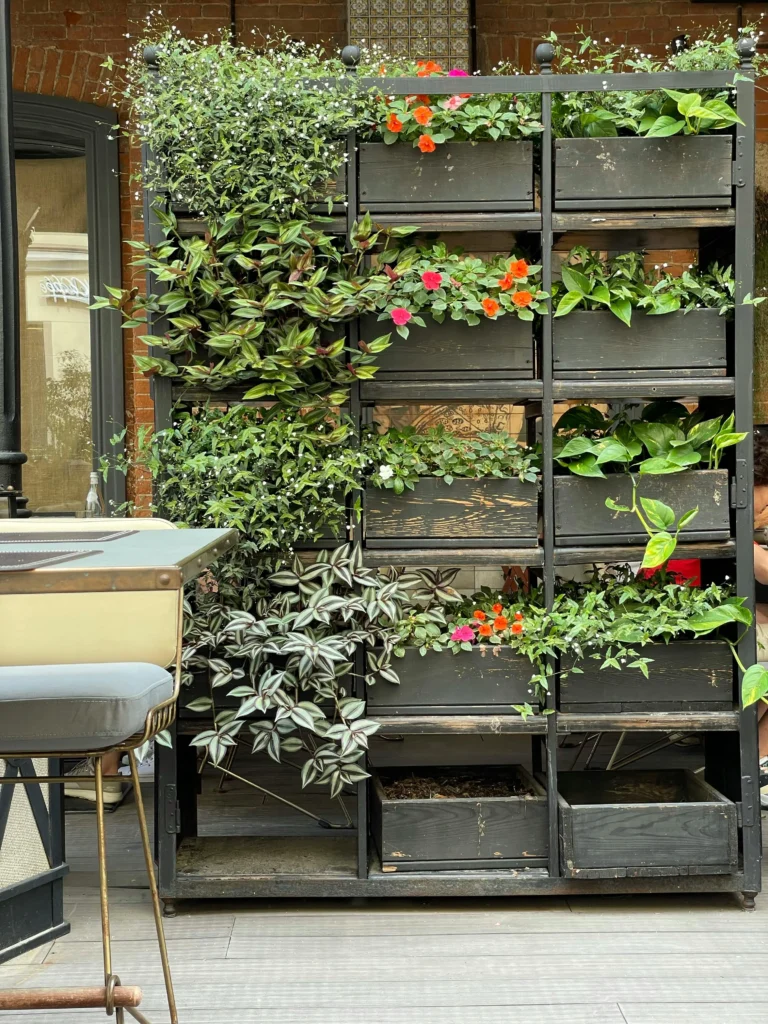
2. Vertical Container Garden Ideas
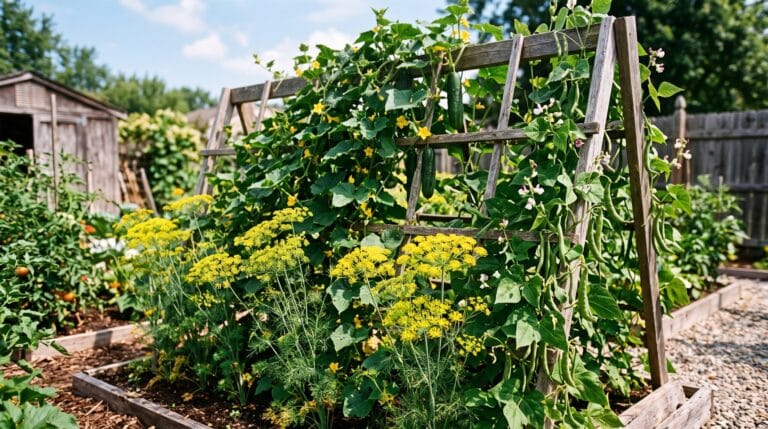
When you run out of floor, grow up. A tiered plant stand, a leaning ladder shelf, a wall-mounted pocket planter, or a stacked-pot tower all turn a few square feet into several. Vertical setups dry out faster because more soil is exposed to air, so plan to water a little more often and keep the thirstiest plants on the lower, shadier tiers.
3. Windowsill Herb Container Garden
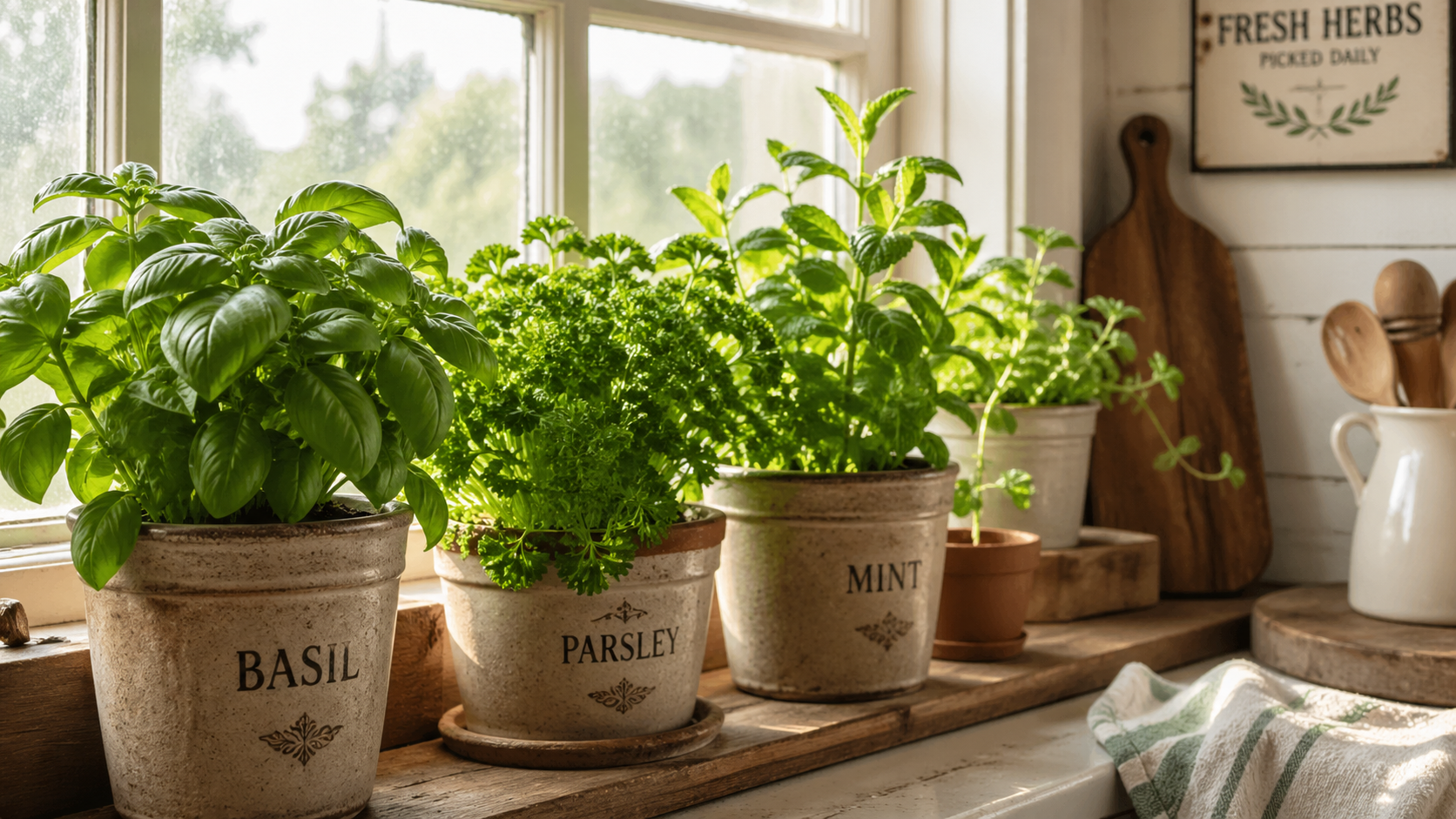
If outdoor space is zero, a sunny windowsill still grows herbs. A south-facing window with six hours of light will keep basil, parsley, chives, mint, and thyme going within arm’s reach of the stove. Use small individual pots so each herb gets the water it wants, and turn them every few days so they do not lean hard toward the glass.
Edible Container Garden Ideas
Growing food in pots is genuinely practical, not just pretty. A few well-chosen containers can put salad, herbs, and snacking tomatoes on your table all season. If you want to go deeper on this, our guide to growing vegetables in a planter covers spacing and feeding in more detail.
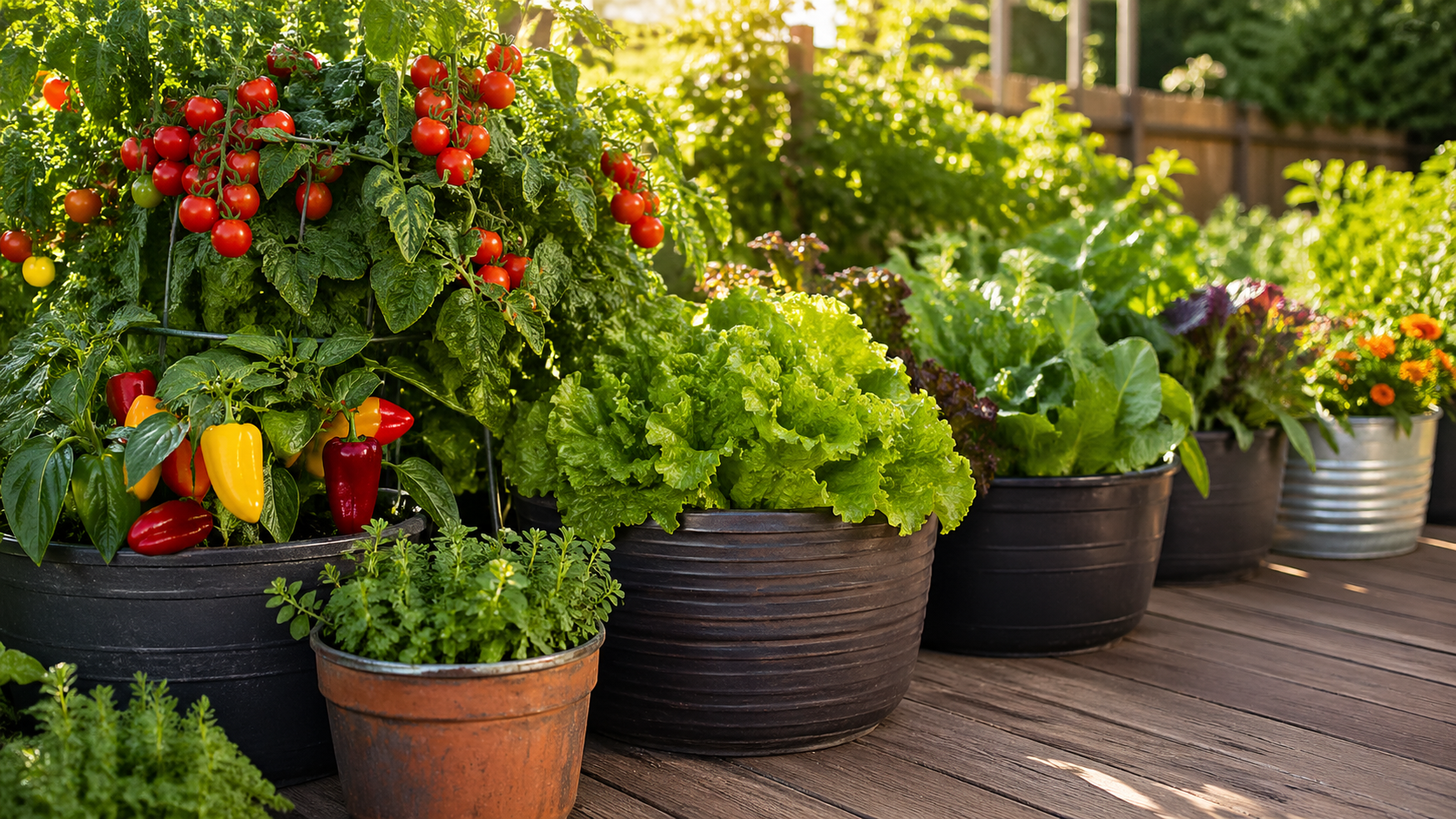
4. Small-Space Vegetable Container Garden
Some vegetables were made for pots. Cherry tomatoes, peppers, bush beans, radishes, lettuce, and compact cucumbers all crop well in containers. Match the pot to the plant: a tomato or pepper wants a deep five-gallon container, while radishes and lettuce are happy in something shallower. Bigger pots hold more soil and water, which means fewer wilted afternoons. For more forgiving picks, see our list of the easiest vegetables to grow for beginners.
5. Salad Bowl Container Garden
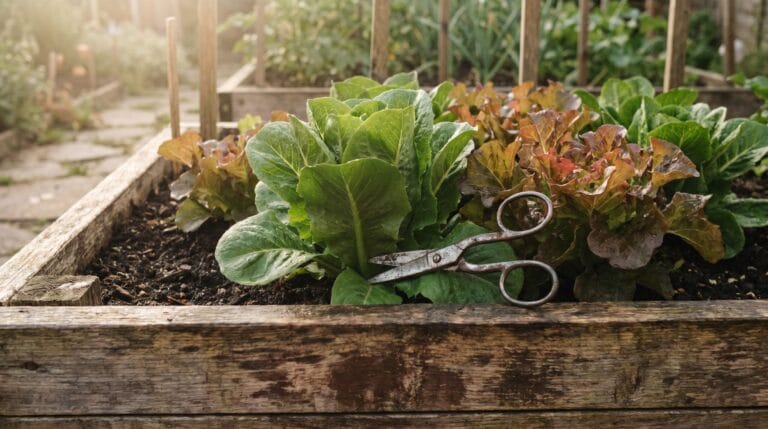
A wide, shallow container planted with loose-leaf lettuces and salad greens is one of the best returns on a small space. You cut the outer leaves and the plant keeps producing for weeks, a method we cover in harvesting leaf lettuce so it keeps growing. Tuck in a few radishes or some spinach and a single bowl on a step becomes a steady supply of salad.
6. Mini Herb Recipe Garden
Group herbs by how you cook. A pasta pot might hold basil, oregano, and parsley; a tea pot might hold mint and lemon balm. Keep the combinations to herbs that want the same water, though. Basil likes steady moisture, while rosemary and thyme prefer to dry out between drinks, so those two are happier in their own pots.
Decorative Container Garden Ideas
Not every container has to feed you. A few that exist only to look good make a small space feel cared for and lived-in.
7. Flower Container Garden Ideas
A single pot of flowers changes how a doorway feels. Petunias, marigolds, geraniums, and zinnias bloom for months in full sun with little fuss. For the full breakdown of easy combinations and which blooms forgive a missed watering, see our guide to flower pot ideas for beginners.
8. Succulent Container Garden
If you forget to water, succulents forgive you. Plant them in a shallow dish or a small pot with a fast-draining cactus mix, give them bright light, and water only when the soil is fully dry. Overwatering is the one way to kill them, so when in doubt, wait a few more days.
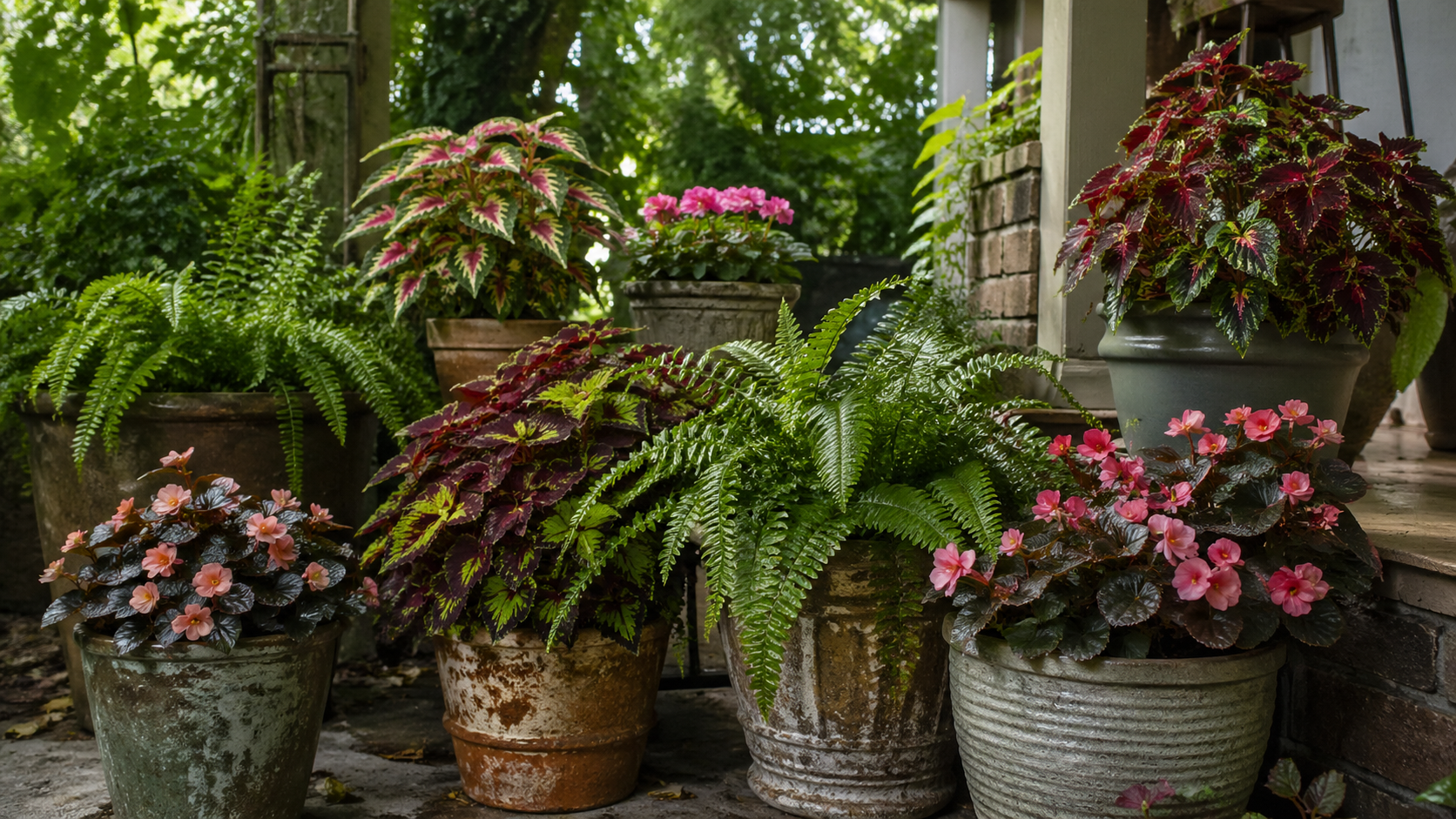
9. Shade Container Garden Ideas
A shady balcony or north-facing step is not a dead end. Begonias, impatiens, coleus, ferns, and hostas all do well with limited direct sun. Lean on foliage plants like coleus and ferns for color, since their leaves carry the look even when little is in bloom.
Space-Saving Container Garden Layout Ideas
How you arrange containers matters as much as what is in them. The goal in a small space is to use every surface and every inch of height.
10. Tiered Container Garden
A tiered stand or a few crates stacked into steps lets you grow several pots in the footprint of one. Put sun-lovers on top where the light is strongest and shade-tolerant plants on the lower shelves.
11. Hanging Basket Garden
Hanging baskets use the air, the one space nothing else competes for. They suit trailing flowers, strawberries, and cherry tomatoes. The trade-off is water: baskets dry out fast in wind and sun, so expect to water them daily in summer heat.
12. Railing Planter Garden
Planters that straddle or clip onto a railing turn the edge of a balcony into a garden bed. They are ideal for herbs, lettuce, and compact flowers. Make sure they are secured well, since a full planter is heavy and wind can catch it.
13. Corner Container Garden
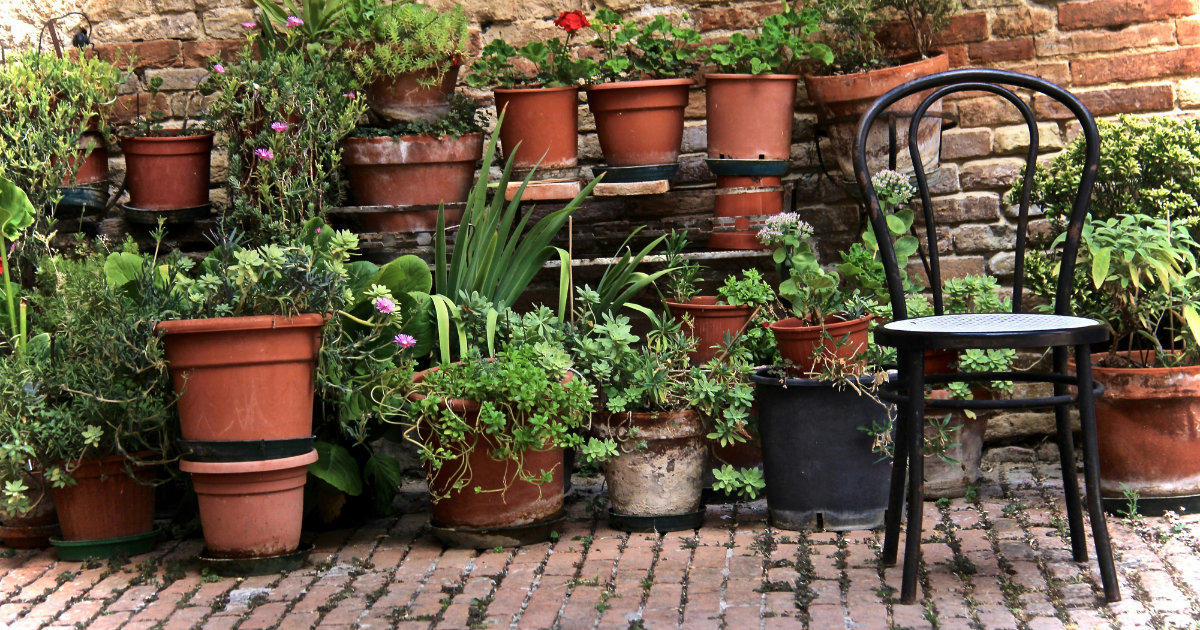
An empty corner is wasted growing room. Cluster pots of different heights there, tallest at the back, to build a small lush nook that draws the eye and softens hard edges of concrete or brick.
How to Choose the Right Containers
The container makes or breaks the plant, and two things matter most: size and drainage.
Go bigger than feels necessary. Small pots dry out within hours on a hot day and cramp the roots, which is the single most common reason a container plant struggles. A larger pot holds more soil, holds more water, and forgives a missed watering. And every container needs drainage holes. Illinois Extension notes that without them water collects at the bottom and roots sit in it, and plants rarely recover from the root rot that follows. If you love a pot with no holes, drill some, or set a plain nursery pot with drainage inside it.
- Terracotta: classic and breathable, but dries out fast and can crack in frost.
- Plastic or resin: light, cheap, and holds moisture. The easiest choice for beginners.
- Fabric grow bags: drain well, fold away in winter, and are great for vegetables.
- Wood and metal: good looks, but wood can rot and metal heats up fast in direct sun.
Best Soil and Watering Tips for Container Gardens
Skip the garden soil. It packs down hard in a pot, drains poorly, and can carry weed seeds and disease. Use a bagged potting mix made for containers, which stays light and lets water move through. Illinois Extension recommends watering when the top inch of mix feels dry, then soaking until water runs from the drainage holes so the whole root ball gets wet, rather than giving a daily splash.
Containers dry out faster than the ground, and in a hot, windy week some need water every day. Check before you pour: press a finger into the top inch of soil, and water only if it is dry. Because frequent watering rinses nutrients out the bottom, mix a slow-release fertilizer into the soil at planting or feed with a diluted liquid feed every couple of weeks. A little finished homemade compost worked into the top inch helps too.
Easy Container Garden Ideas for Beginners
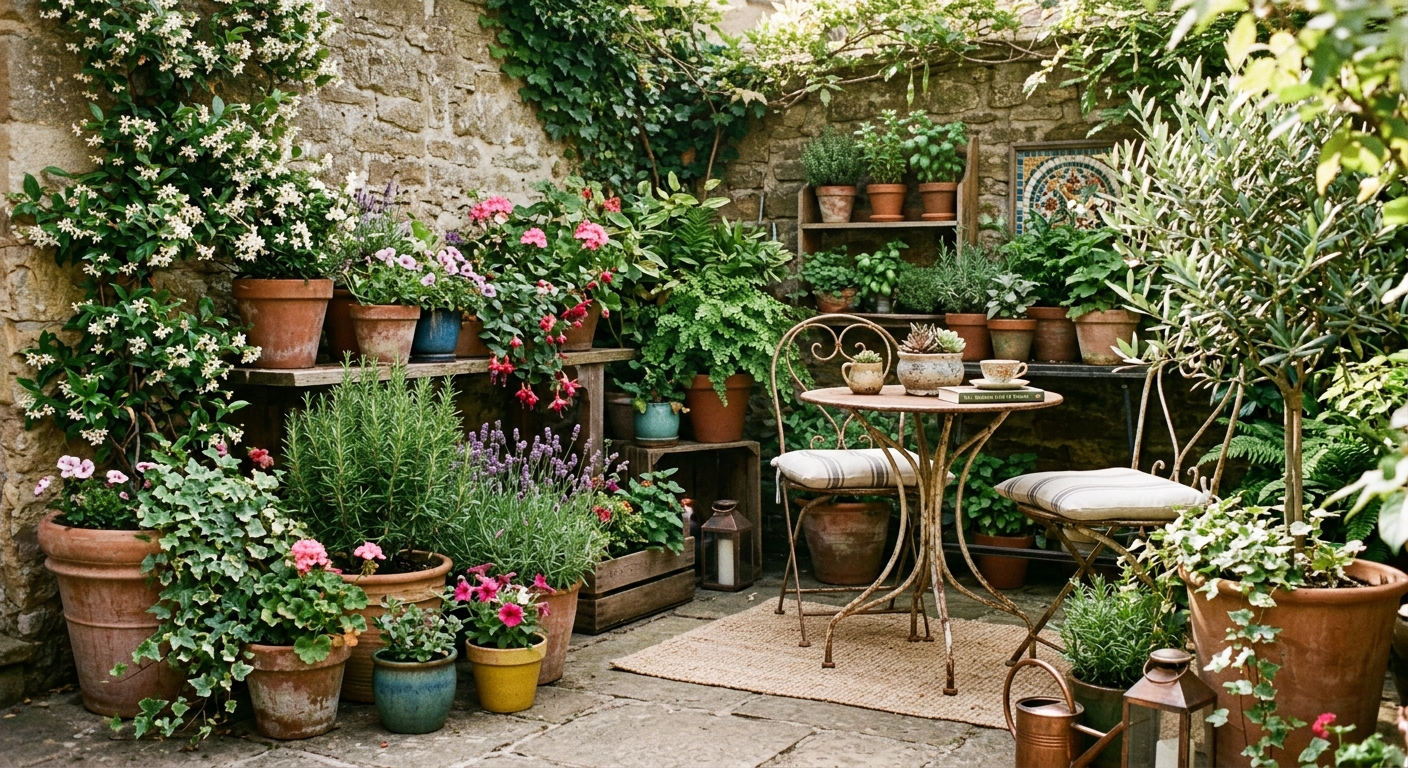
If you are not sure where to begin, start with plants that are hard to kill and quick to reward you. A pot of herbs by the door, a cherry tomato in a five-gallon container, a salad bowl of leaf lettuce, and a pot of marigolds will teach you watering, light, and feeding on a small, low-stakes scale.
Begin with two or three containers, not ten. A few pots you keep alive build more confidence than a crowded balcony you cannot keep up with. You can always add more once the rhythm of watering becomes second nature.
Small-Space Container Garden Design Tips
A few design habits make a small container garden feel full instead of scattered. The simplest is the thriller, filler, spiller method that Penn State Extension uses in its guide to the art of container gardening: one tall plant for height, medium plants to fill the middle, and a trailing plant to spill over the rim.
- Vary pot heights to add depth instead of a flat row.
- Repeat a color or a pot style to make a jumble feel intentional.
- Cluster pots in odd numbers, which tends to look more natural than pairs.
- Group plants with the same sun and water needs so one watering can suits the whole cluster.
Common Container Gardening Mistakes to Avoid
Most first-season trouble comes from the same short list. Knowing it ahead of time saves you a lost plant or two.
- No drainage holes. Water has to escape, or roots rot.
- Pots too small. Tiny containers dry out fast and stunt growth.
- Garden soil instead of potting mix. It compacts and drains poorly in a pot.
- Wrong light. A sun plant sulks in shade; a shade plant scorches in hot sun.
- Over- or underwatering. Check the soil first instead of watering on a fixed schedule.
- Never feeding. Pots hold limited nutrients, so plants need feeding through the season.
- Crowding. Small starter plants get big. Give the roots room now.
Seasonal Container Garden Ideas
Containers let you change the look with the seasons, so a small space stays alive all year.
Spring Container Garden Ideas
Lean on cool-season plants: pansies, violas, snapdragons, lettuce, and spinach. Spring is also the time to start herbs and slip in a few early bulbs for color.
Summer Container Garden Ideas
Summer is for heat-lovers: tomatoes, peppers, basil, petunias, marigolds, and zinnias. Go up a pot size so the soil does not cook dry by noon, and expect daily watering in a heat wave.
Fall Container Garden Ideas
As the heat fades, swap in mums, ornamental kale, pansies, and a fresh round of lettuce. A few small pumpkins or dried seed heads tucked among the pots finish the seasonal look.
Winter Container Garden Ideas
In cold months, lean on evergreens and decoration: small potted conifers, evergreen branches, pinecones, winterberry, and birch twigs. Move any tender perennials to a sheltered spot or indoors before the first hard freeze.
The Free Garden Starter Pack
Five printable pages that take the guesswork out of a first season, plus a short email every week or two when something is worth planting, picking, or putting up.
- A garden planning worksheet you can actually fill in
- A seed-starting and planting calendar
- A harvest log to track what really produced
No spam, ever. Unsubscribe in one click.
Thank you. You are on the list.
Your Garden Starter Pack is ready right now. Grab it here:
Download the pack (PDF)Keep an eye on your inbox. The next seasonal guide lands there first.
Frequently Asked Questions About Container Garden Ideas
What are the best container garden ideas for beginners?
Start with a pot of herbs by the door, a cherry tomato in a five-gallon container, a shallow bowl of leaf lettuce, and a pot of marigolds. They are forgiving, quick to reward you, and teach the basics of watering and light on a small scale.
What vegetables grow best in containers for small spaces?
Cherry tomatoes, peppers, bush beans, radishes, lettuce, and compact cucumbers all crop well in pots. Give tomatoes and peppers a deep five-gallon container; shallow-rooted greens and radishes do fine in smaller pots.
How do you start a container garden in a small apartment?
Find your sunniest spot, whether a balcony or a windowsill, and start with two or three pots of herbs or salad greens. Use containers with drainage holes and a bagged potting mix, and add more once you have the watering routine down.
What are the best container garden ideas for a balcony?
Use all three surfaces: larger pots on the floor, planters on the railing, and hanging baskets above. Group thirsty plants together for easy watering, and check your railing’s weight limit before loading it with full planters.
Can you grow a container garden without full sun?
Yes. Leafy greens like lettuce and spinach, many herbs, and shade plants such as begonias, impatiens, coleus, and ferns all grow with a few hours of light or dappled sun. Fruiting vegetables like tomatoes are the ones that truly need six or more hours of direct sun.
How often should you water a container garden?
Check daily in warm weather and water when the top inch of soil feels dry, soaking until it runs from the drainage holes. Small pots, hanging baskets, and windy spots may need water every day in summer; larger pots can go longer.
What is the best soil for container gardening?
A bagged potting mix made for containers. It stays light, drains well, and holds moisture without packing down. Avoid garden soil, which compacts in a pot and can carry weed seeds and disease.
What are low-maintenance container garden ideas?
Succulents, marigolds, and drought-tolerant herbs like rosemary and thyme need the least attention. Use a large pot so the soil dries out slowly, and you can go several days between waterings.
Your Small Space Can Grow Something
The balcony, the patio, the single sunny sill: none of it is too small to grow something real. A pot of basil, a bucket tomato, a bowl of lettuce. That is a garden, and it fits where you already live.
Pick your sunniest spot, choose one or two ideas from this guide, and put a single container out this week. Use a pot with drainage, fill it with potting mix, and match the plant to your light. By the time you are pinching basil or cutting lettuce for dinner, the doubt about whether your space was big enough will be long gone.