Growing Vegetables in Containers: A Beginner’s Guide
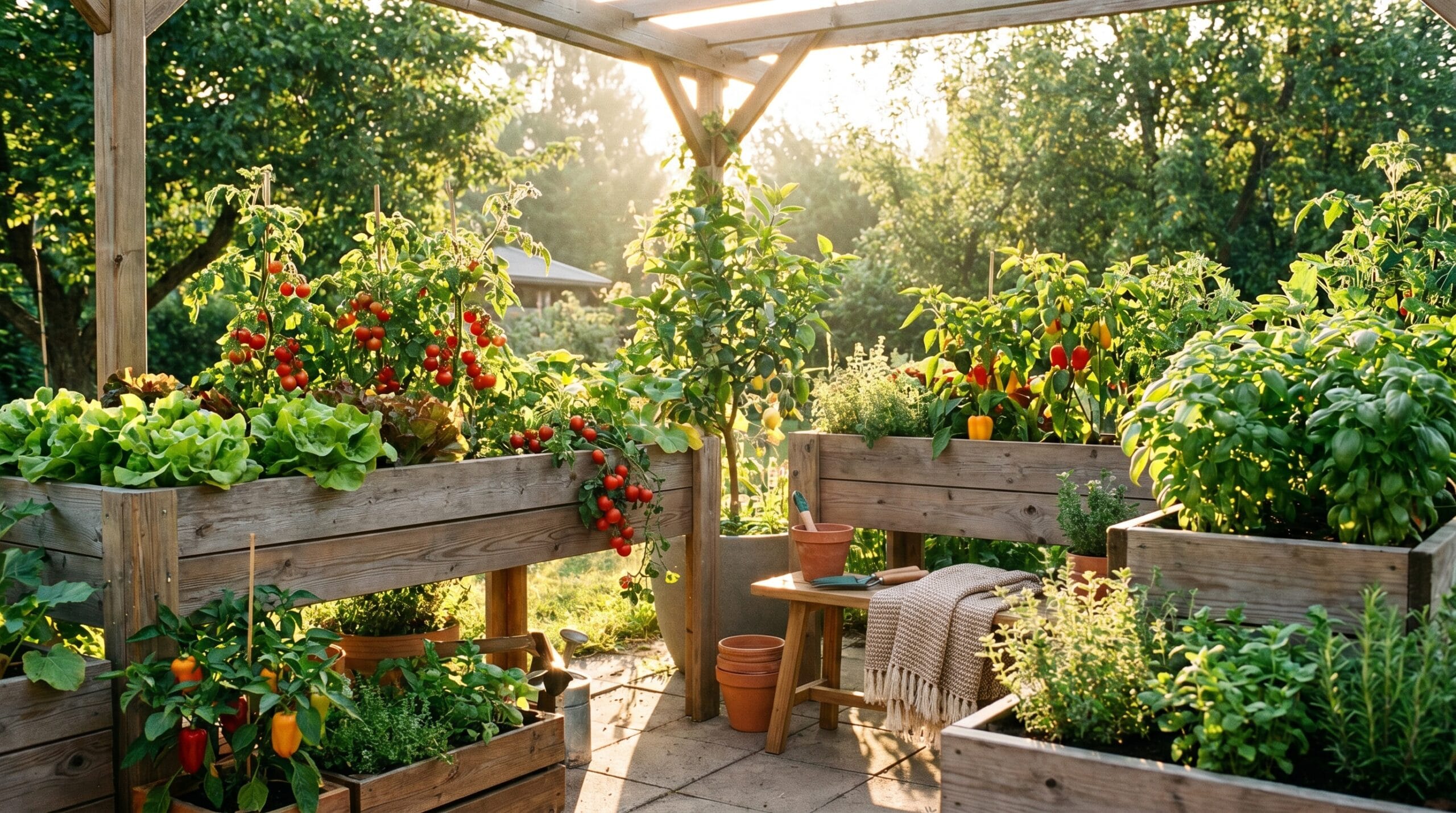
You do not need a big backyard to grow your own food. You do not even need a traditional garden bed. Sometimes, all you need is a sunny balcony, a patio corner, a doorstep, or a wide windowsill and one good planter.
There is something deeply satisfying about stepping outside and picking a handful of lettuce for lunch, a ripe cherry tomato for a snack, or fresh basil for dinner. It makes your home feel more alive. It gives you a small daily reason to slow down, check the soil, notice new leaves, and enjoy the quiet reward of growing something useful with your own hands.
Growing vegetables in a planter is one of the easiest ways to start gardening, especially when you have limited space. It works for renters, apartment dwellers, busy families, beginners, and anyone who wants fresh produce without digging up a yard. With the right container, soil, sunlight, water, and vegetable choices, you can grow a surprisingly productive mini garden almost anywhere.
If you are brand new to growing plants, you may also want to read this guide on how to start gardening for newbies before setting up your first vegetable planter.
This guide walks you through everything you need to know, from choosing the best planter to harvesting your first vegetables.
Table of Contents
What Does Growing Vegetables in a Planter Mean?
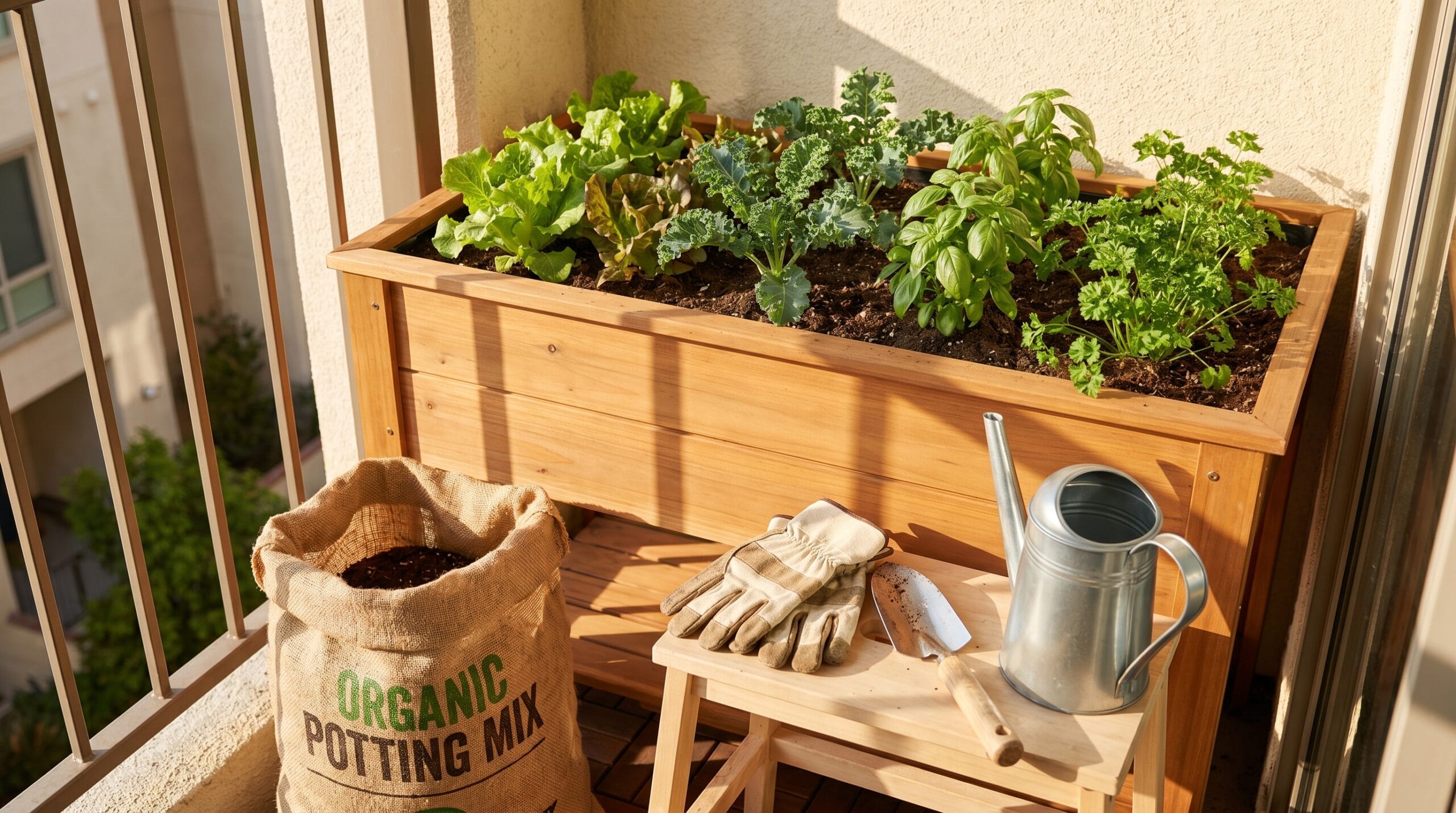
Growing vegetables in a planter simply means raising edible plants in a container instead of planting them directly in the ground. Your planter acts as the plant’s garden bed. It holds the soil, supports the roots, manages moisture, and gives your vegetables a defined growing space.
You can use many types of planters, including:
- Raised patio planters
- Window boxes
- Fabric grow bags
- Plastic pots
- Wooden troughs
- Balcony railing planters
- Self-watering containers
- Large tubs or buckets with drainage holes
The biggest advantage is flexibility. You can place your planter where the sun is best, move it during extreme weather, and control the soil more easily than you could in a traditional garden bed.
Container gardening is especially helpful when your available outdoor space is small, paved, rented, or has poor soil. Virginia Tech Extension notes that patios, balconies, windowsills, and doorsteps can all support productive container gardens, and containers can help you avoid problems linked to poor soil or soil-borne pests.
Benefits of Growing Vegetables in a Planter
Fresh Food Without a Large Garden
One of the best parts of planter gardening is that it makes fresh food feel possible. You may not be able to grow a field of potatoes or rows of corn, but you can grow enough herbs, salad greens, tomatoes, peppers, radishes, and carrots to make your meals brighter.
Even one planter can give you:
- Fresh lettuce for salads
- Basil for pasta and sandwiches
- Cherry tomatoes for snacks
- Radishes for quick harvests
- Spinach for smoothies and stir-fries
- Peppers for cooking
You also waste less because you harvest only what you need. Instead of buying a large bag of herbs that wilts in the fridge, you can cut a few fresh stems from your planter.
Better Control Over Soil and Growing Conditions
When you grow vegetables in planters, you control the growing medium from the start. That means you do not have to fight compacted clay, sandy soil, poor drainage, or unknown soil quality.
You can choose a good potting mix, add compost, improve drainage, and feed your vegetables as they grow. This is a big advantage for beginners because the soil environment is easier to manage.
Easier Maintenance
Planter vegetable gardens are usually easier to maintain than in-ground gardens. You have fewer weeds, less bending, and a smaller growing area to monitor.
This makes planter gardening ideal if you:
- Are new to gardening
- Have limited time
- Want a low-maintenance project
- Have mobility challenges
- Prefer gardening on a patio, balcony, or deck
A More Beautiful Living Space
Vegetables can be just as attractive as ornamental plants. A planter filled with rainbow chard, leafy lettuce, purple basil, marigolds, and cherry tomatoes can turn a plain balcony or patio into a lush, useful space.
You are not just growing food. You are creating a small edible landscape.
Best Vegetables for Growing in a Planter
Some vegetables adapt better to containers than others. The best choices are compact, productive, and suited to the depth of your planter.
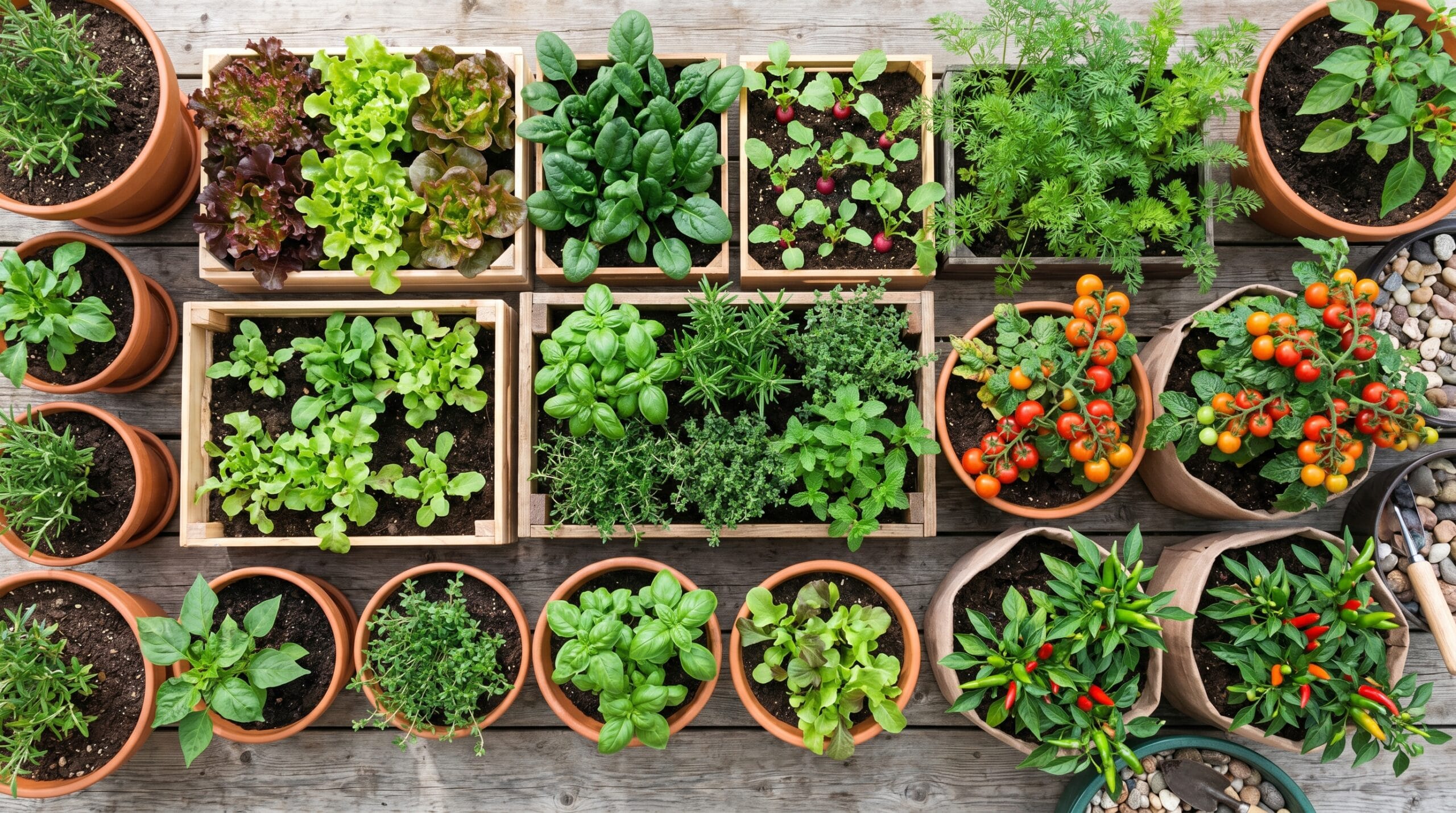
Easy Vegetables for Beginner Planter Gardening
| Vegetable | Best Planter Depth | Sunlight Needs | Difficulty | Notes |
|---|---|---|---|---|
| Lettuce | 6–8 inches | Partial to full sun | Easy | Great for repeated harvests |
| Radishes | 6–8 inches | Full sun | Easy | Fast-growing and beginner-friendly |
| Spinach | 6–8 inches | Partial to full sun | Easy | Best in cooler weather |
| Herbs | 6–10 inches | Varies by herb | Easy | Basil, parsley, cilantro, chives |
| Cherry tomatoes | 12–18 inches | Full sun | Moderate | Needs support and regular feeding |
| Peppers | 12–16 inches | Full sun | Moderate | Great for warm patios |
| Carrots | 10–12 inches | Full sun | Moderate | Choose short varieties |
| Bush beans | 10–12 inches | Full sun | Easy | Compact and productive |
RHS notes that growing vegetables in containers is a space-saving way to enjoy fresh produce, but drying out and limited root space are two of the most common container problems.
Best Vegetables for Small Planters
Small planters are perfect for shallow-rooted crops. Try:
- Lettuce
- Arugula
- Spinach
- Radishes
- Green onions
- Parsley
- Cilantro
- Chives
- Baby kale
- Short-rooted carrots
These crops do not need huge containers, and many can be harvested quickly.
Best Vegetables for Large Planters
Large planters give roots more space and hold moisture longer. They are better for vegetables that grow tall, produce fruit, or need stronger support.
Good choices include:
- Tomatoes
- Peppers
- Eggplant
- Cucumbers with a trellis
- Bush beans
- Potatoes in grow bags
- Zucchini in very large containers
Vegetables to Avoid in Small Planters
Some vegetables are difficult to grow in small containers because they need more space, deeper roots, or wider spreading room.
Avoid these unless you have very large planters:
- Corn
- Large pumpkins
- Full-size melons
- Winter squash
- Large indeterminate tomatoes without support
- Sprawling cucumber varieties without trellising
Choosing the Right Planter for Vegetables
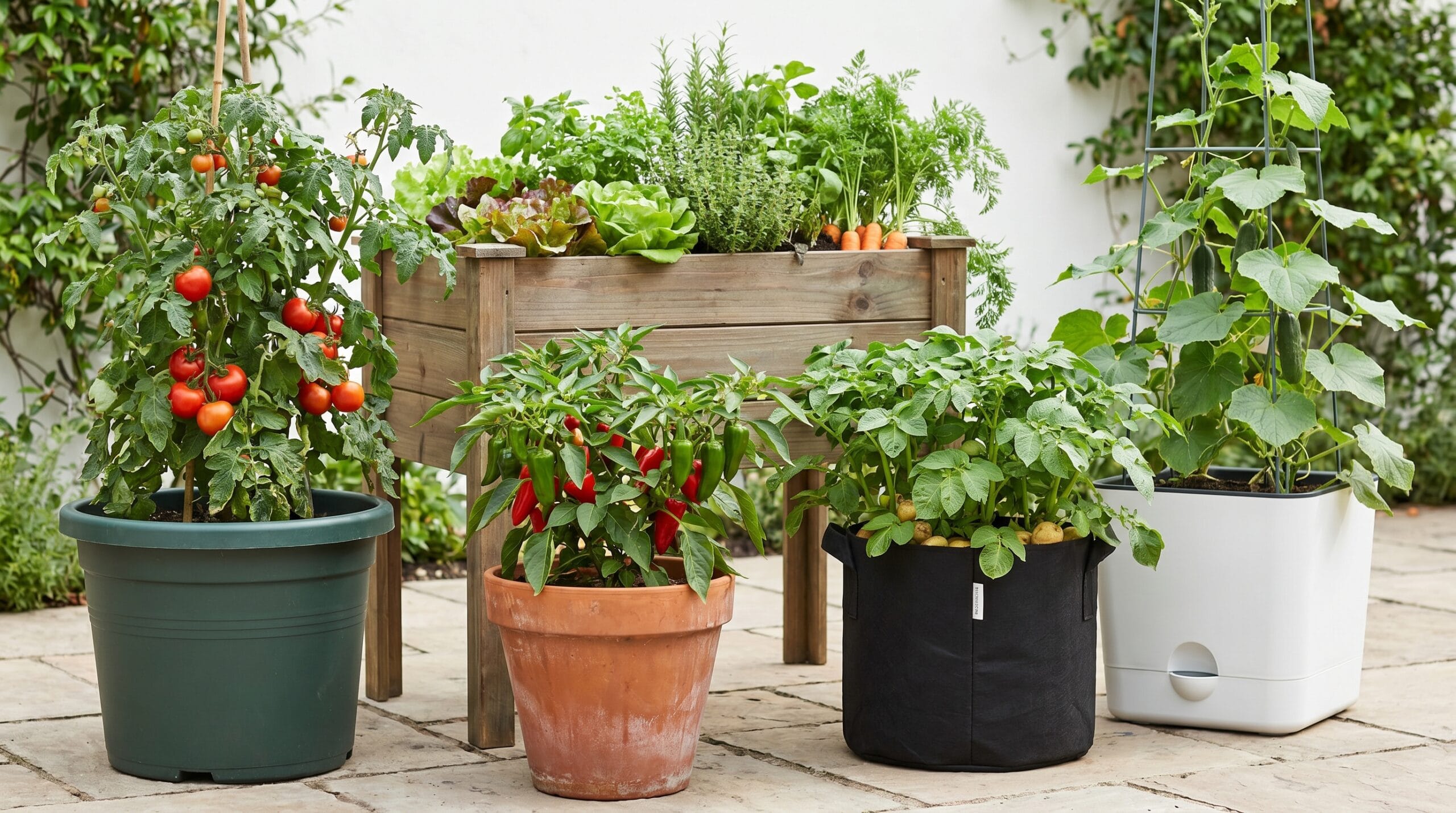
Your planter matters more than you might think. A container that is too small, poorly drained, or unsafe for food crops can limit your harvest before your plants even get started.
For more inspiration on simple container setups, explore these flower pot ideas for beginners before choosing your vegetable planter.
Best Planter Materials for Growing Vegetables
| Planter Material | Pros | Cons | Best For |
|---|---|---|---|
| Plastic | Lightweight, affordable, holds moisture well | Can heat up in strong sun | Beginners, balconies, patios |
| Terracotta | Attractive and breathable | Dries out quickly | Herbs and Mediterranean crops |
| Wood | Natural look, good insulation | Can rot over time | Raised patio planters |
| Fabric grow bags | Great drainage and air flow | Needs frequent watering | Potatoes, tomatoes, peppers |
| Metal | Stylish and durable | Can become hot | Decorative spaces |
| Self-watering planter | Helps reduce watering stress | More expensive | Busy gardeners |
Drainage Is Essential
Every vegetable planter needs drainage holes. Without drainage, water collects at the bottom of the container and can suffocate roots. Soggy soil often leads to root rot, yellow leaves, and weak growth.
USDA recommends choosing food-safe containers with good drainage and avoiding containers made from pressure-treated wood or containers that previously stored chemicals. USDA also suggests 6–8 hours of direct sunlight for best results with many container crops.
What Size Planter Do You Need?
Use this simple guide:
- Herbs: 6–8 inch pot
- Lettuce and spinach: 6–8 inch deep planter
- Radishes: 6–8 inch deep planter
- Carrots: 10–12 inch deep planter
- Peppers: 12–16 inch deep planter
- Tomatoes: 5-gallon container or larger
- Cucumbers: 5-gallon container or larger with trellis
- Potatoes: 10-gallon grow bag or larger
When in doubt, choose a larger planter. Bigger containers hold more soil, stay moist longer, and give roots more space.
Best Soil Mix for Growing Vegetables in a Planter
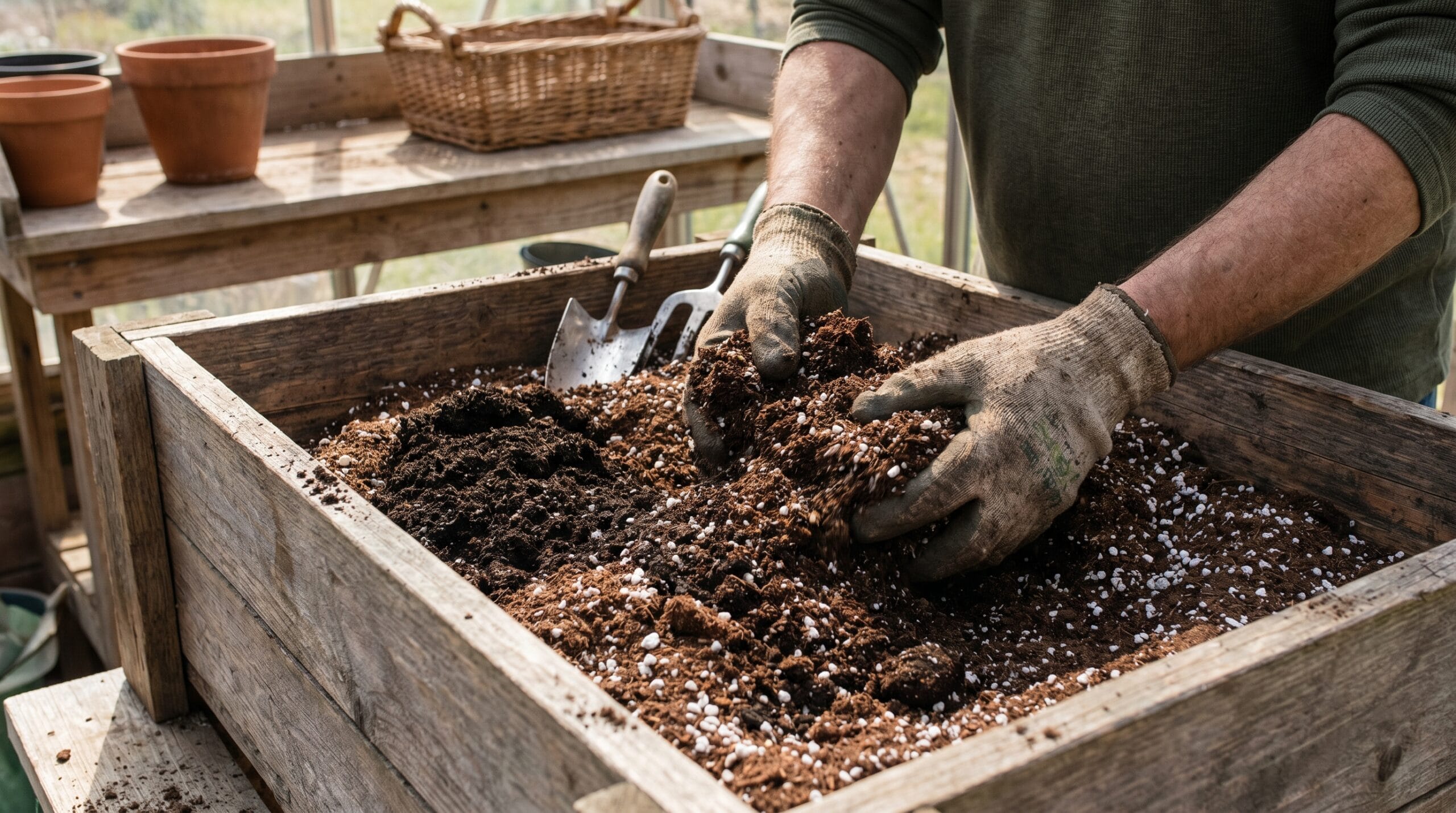
The soil inside your planter is the foundation of your garden. Because your vegetables depend on a limited amount of soil, that mix needs to drain well, hold enough moisture, and provide nutrients.
Why You Should Not Use Regular Garden Soil
Garden soil may seem convenient, but it is not the best choice for planters. It can become heavy, compacted, and poorly drained inside a container. It may also contain weed seeds, insects, or disease organisms.
Instead, use a high-quality potting mix designed for containers. Illinois Extension recommends using the right potting mix and planting vegetable seeds or transplants according to packet or label directions.
Ideal Potting Mix Ingredients
| Ingredient | Purpose | Suggested Amount |
|---|---|---|
| High-quality potting mix | Main growing medium | 60% |
| Finished compost | Adds nutrients and improves texture | 20% |
| Perlite or pumice | Improves drainage and airflow | 10% |
| Coconut coir or peat moss | Helps retain moisture | 10% |
| Organic vegetable fertilizer | Feeds plants over time | Follow label directions |
Simple DIY Planter Soil Recipe
| Ingredient | Quantity |
|---|---|
| Potting mix | 3 parts |
| Finished compost | 1 part |
| Perlite | 1 part |
| Organic vegetable fertilizer | As directed on package |
Mix the ingredients well before filling your planter. Leave about 1–2 inches of space at the top so water does not spill over every time you irrigate.
To understand how compost improves soil health, nutrients, and plant growth, read this beginner guide to compost and gardening.
How to Start Growing Vegetables in a Planter Step by Step
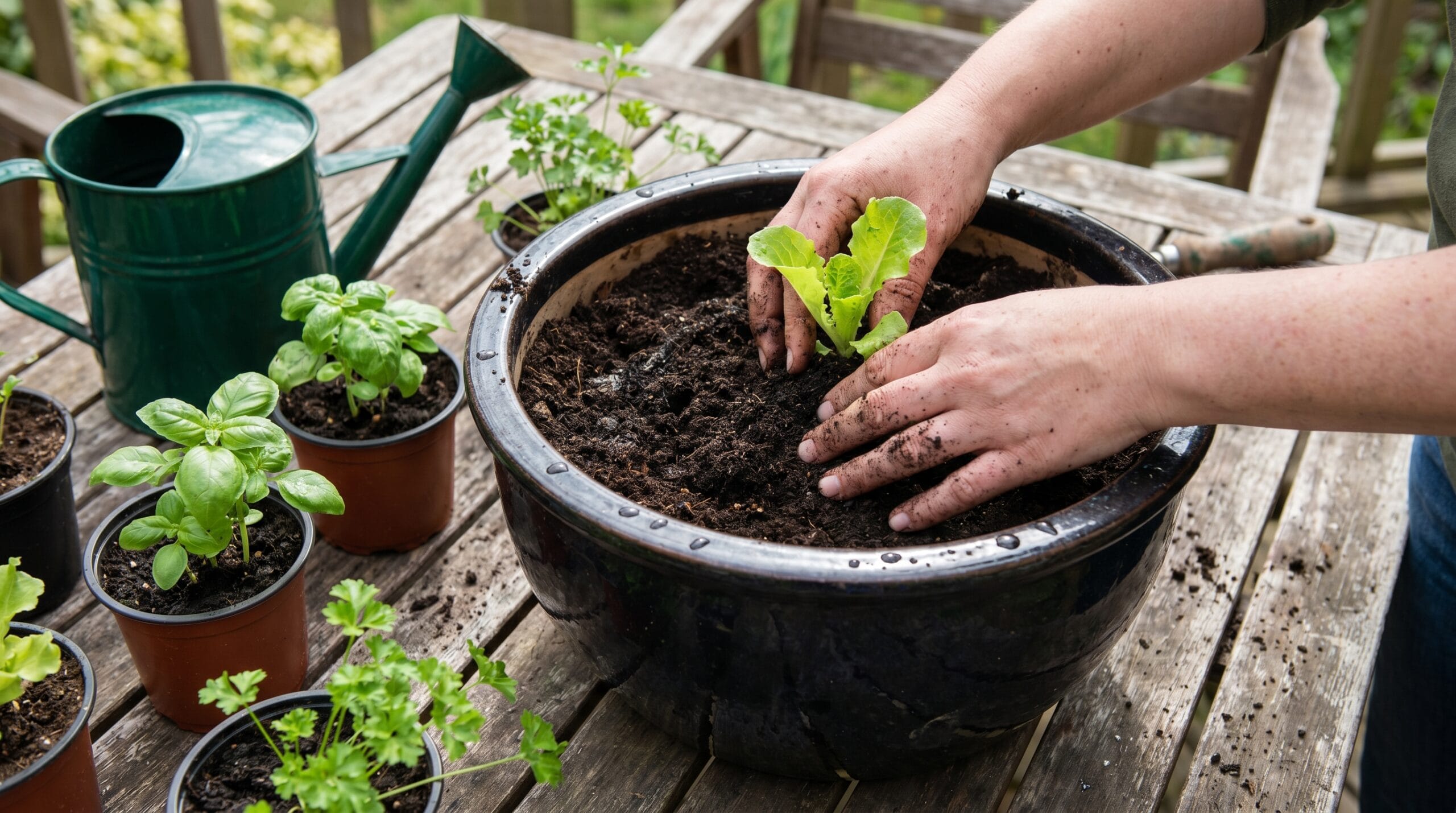
Step 1: Pick the Right Location
Before you plant anything, watch your space for a day. Notice where the sun falls and how long it stays there.
Most fruiting vegetables need full sun, including:
- Tomatoes
- Peppers
- Cucumbers
- Eggplant
- Beans
Leafy greens can handle less sun, especially in warm weather. Good partial-sun crops include:
- Lettuce
- Spinach
- Kale
- Chard
- Parsley
- Cilantro
Choose a location that is easy to reach with a watering can or hose. If watering feels inconvenient, your plants are more likely to dry out.
Step 2: Choose Your Planter
Match the planter to the vegetable. A shallow window box may work well for lettuce, but it will not support a full-size tomato plant.
Make sure your planter:
- Has drainage holes
- Is deep enough for the crop
- Is wide enough for mature growth
- Is stable and not easy to tip over
- Is safe for growing food
Step 3: Fill with Potting Mix
Fill the planter with your potting mix, but do not pack it down tightly. Roots need air as well as water. Firm the soil gently, then water it before planting so it settles naturally.
Step 4: Plant Seeds or Transplants
Some vegetables are easy to start from seed. Others are simpler to grow from young plants.
Good crops to direct sow:
- Radishes
- Lettuce
- Spinach
- Carrots
- Beans
- Peas
Good crops to transplant:
- Tomatoes
- Peppers
- Eggplant
- Basil
- Parsley
- Kale
Always follow the spacing and planting depth on the seed packet or plant tag.
Step 5: Water Gently
After planting, water slowly until moisture reaches the roots and excess water drains from the bottom. Avoid blasting seeds or seedlings with a strong stream.
Step 6: Add Supports Early
If you are growing tomatoes, cucumbers, peas, or pole beans, add stakes, cages, or trellises while the plants are still small. It is much easier than trying to support a tangled mature plant later.
Watering Tips for Vegetables Growing in a Planter
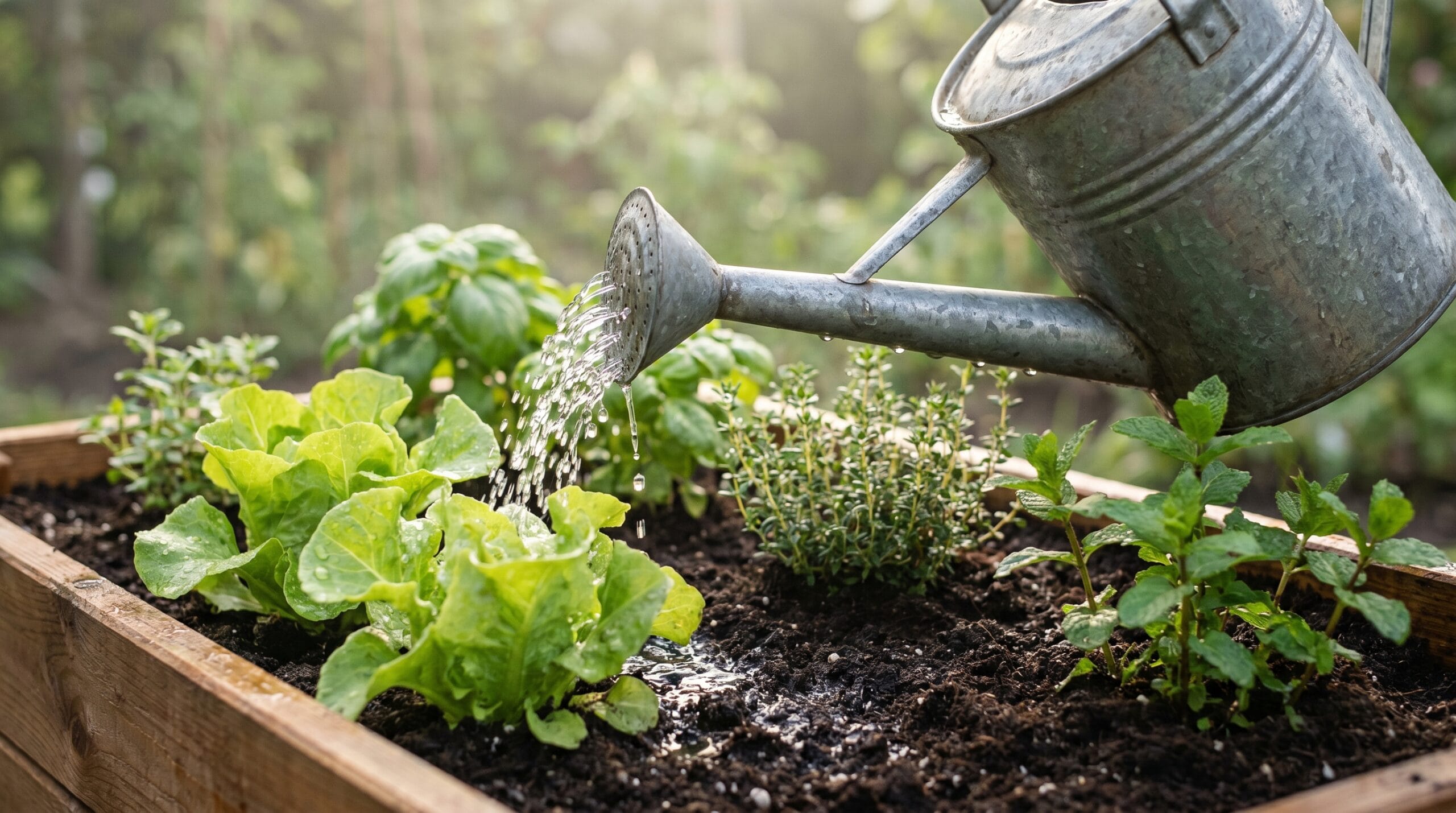
Watering is one of the most important parts of growing vegetables in a planter. Containers dry out faster than in-ground beds because they hold less soil and are exposed to sun and wind on all sides.
Oregon State University Extension notes that containers can dry out quickly, especially on concrete in full sun, and daily watering is not unusual. It recommends watering when the soil feels dry and continuing until water runs from the drainage holes.
How Often Should You Water?
There is no single schedule that works for every planter. Your watering routine depends on:
- Planter size
- Weather
- Vegetable type
- Soil mix
- Sun exposure
- Wind exposure
- Plant maturity
A small herb pot may need water daily in summer. A large self-watering planter may need attention only every few days.
Signs Your Planter Vegetables Need Water
Look for:
- Wilting leaves
- Dry soil surface
- Soil pulling away from the planter edge
- Crispy leaf tips
- A lightweight container
- Slow growth
- Bitter-tasting lettuce
Signs You Are Overwatering
Too much water can be just as damaging as too little. Watch for:
- Yellow leaves
- Soggy soil
- Mold on the soil surface
- Fungus gnats
- Drooping plants even when soil is wet
- Bad smell from the container
The best habit is simple: check the soil with your finger. If the top inch feels dry, water. If it still feels moist, wait.
Sunlight Requirements for Growing Vegetables in a Planter
Sunlight powers plant growth. Without enough light, vegetables may become weak, pale, leggy, or unproductive.
Full-Sun Vegetables
These usually need 6 or more hours of direct sunlight:
- Tomatoes
- Peppers
- Eggplant
- Cucumbers
- Beans
- Potatoes
- Basil
Partial-Sun Vegetables
These can grow with less direct sun:
- Lettuce
- Spinach
- Arugula
- Kale
- Swiss chard
- Parsley
- Cilantro
- Green onions
Balcony Sunlight Tips
If you are gardening on a balcony or patio:
- South-facing areas usually get the most sun in the Northern Hemisphere.
- East-facing balconies are good for morning sun.
- West-facing areas may become hot in the afternoon.
- North-facing spaces are better for leafy greens than fruiting vegetables.
- Use plant stands or shelves to raise containers into brighter light.
Companion Planting in Vegetable Planters
Companion planting means grouping plants that grow well together. In planters, the goal is not magic pest control. It is practical use of space, compatible root depths, similar water needs, and better visual balance.
Best Companion Plant Combinations
| Main Vegetable | Good Companion Plants | Why It Works |
|---|---|---|
| Tomato | Basil, parsley, marigold | Uses space well and attracts pollinators |
| Lettuce | Radish, chives, spinach | Fast-growing, shallow-rooted crops |
| Pepper | Basil, oregano, onions | Compact plants with similar needs |
| Carrot | Lettuce, chives, radish | Uses different root zones |
| Cucumber | Dill, nasturtium, lettuce | Trellis crop leaves space below |
What Not to Overcrowd
Avoid packing too many vegetables into one planter. Crowding leads to weak growth, poor airflow, more pests, and competition for water.
Be especially careful with:
- Tomatoes
- Peppers
- Cucumbers
- Zucchini
- Eggplant
- Potatoes
For large plants, one plant per container is often the best choice.
Seasonal Guide to Growing Vegetables in a Planter
One advantage of planter gardening is that you can change crops through the year.
Spring Planter Vegetables
Spring is ideal for cool-season crops:
- Lettuce
- Spinach
- Radishes
- Peas
- Green onions
- Cilantro
- Kale
- Chard
Summer Planter Vegetables
Warm weather is best for:
- Tomatoes
- Peppers
- Cucumbers
- Basil
- Beans
- Eggplant
These crops need more sun, more water, and regular feeding.
Fall Planter Vegetables
As temperatures cool, return to leafy crops:
- Kale
- Spinach
- Lettuce
- Radishes
- Chard
- Parsley
- Carrots
You can also replant containers after early crops finish. Oregon State University Extension recommends replanting containers with late-summer and fall vegetables after spring and early summer harvests.
Winter Planter Ideas
In colder months, try:
- Microgreens indoors
- Herbs on a sunny windowsill
- Cold-tolerant greens in mild climates
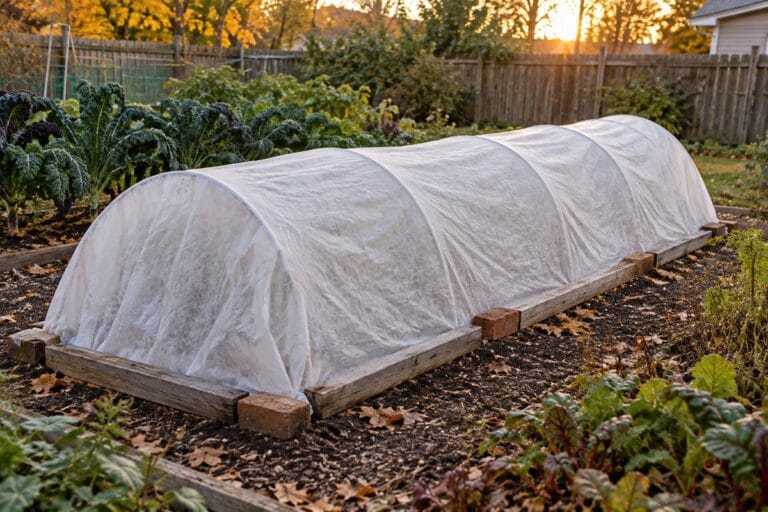
- Protected planters with row covers
- Small indoor lettuce trays
Common Problems When Growing Vegetables in a Planter
Even a well-planned container garden can run into problems. The good news is that most issues are easy to fix once you know what to look for.
Problem: Plants Are Wilting
Possible causes:
- Not enough water
- Too much water
- Container is too small
- Roots are overheated
- Plant is root-bound
- Hot afternoon sun is too intense
What to do:
- Check soil moisture.
- Move the planter out of extreme heat.
- Water deeply if dry.
- Repot if roots are crowded.
- Add mulch to reduce moisture loss.
Problem: Leaves Are Yellow
Possible causes:
- Overwatering
- Poor drainage
- Nitrogen deficiency
- Old potting mix
- Roots sitting in soggy soil
What to do:
- Make sure water drains freely.
- Feed with a balanced vegetable fertilizer.
- Remove badly yellowed leaves.
- Refresh depleted soil with compost.
Problem: Vegetables Are Not Producing
Possible causes:
- Too little sunlight
- Too much nitrogen fertilizer
- Lack of pollination
- Container too small
- Extreme heat
- Irregular watering
What to do:
- Move the planter to a sunnier spot.
- Use fertilizer made for vegetables.
- Add flowers to attract pollinators.
- Hand-pollinate tomatoes or squash if needed.
- Keep watering consistent.
Problem: Pests Are Appearing
Common pests include:
- Aphids
- Whiteflies
- Fungus gnats
- Slugs
- Caterpillars
- Spider mites
What to do:
- Check leaves regularly.
- Remove pests by hand when possible.
- Spray aphids with water.
- Use insecticidal soap if needed.
- Avoid overwatering to reduce fungus gnats.
- Keep plants healthy so they recover faster.
Harvesting Vegetables from a Planter
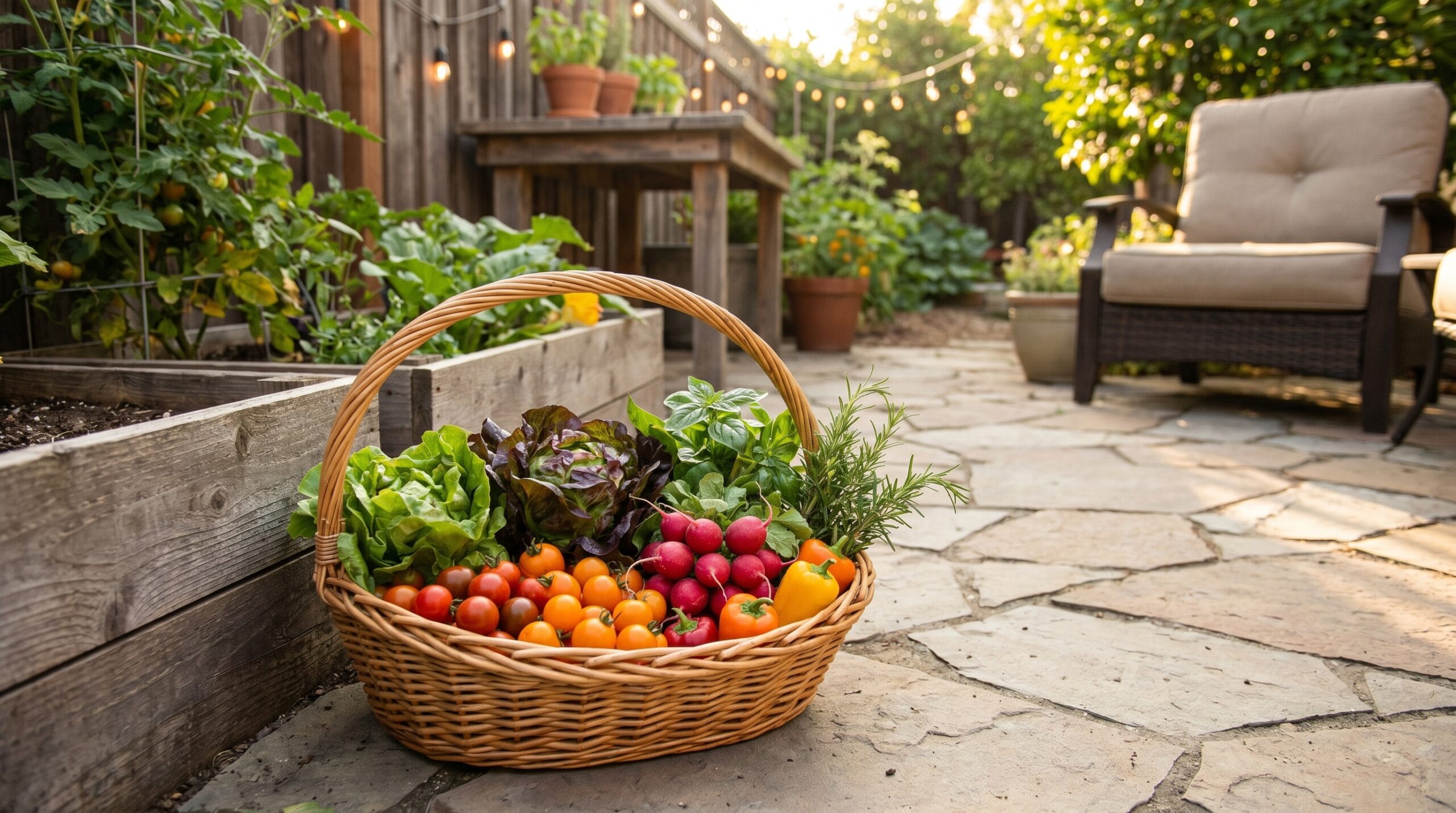
Harvesting at the right time keeps your plants productive and your vegetables tender.
| Vegetable | Harvest Sign | Harvest Tip |
|---|---|---|
| Lettuce | Leaves are large enough to eat | Pick outer leaves first |
| Radish | Root shoulders show above soil | Harvest before woody texture develops |
| Tomato | Fully colored and slightly soft | Pick regularly to encourage more fruit |
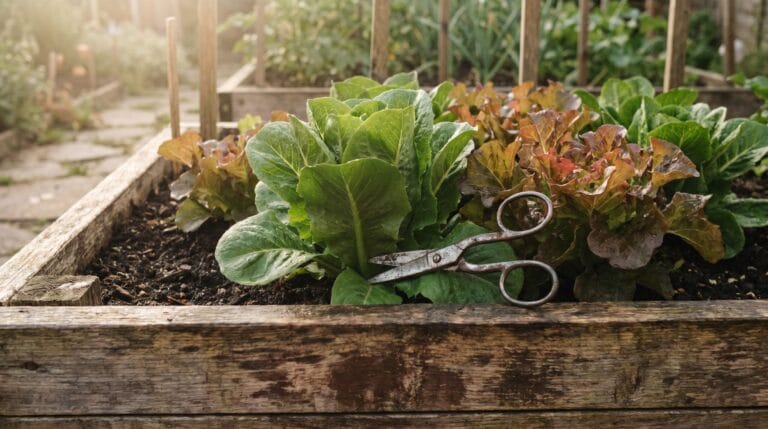
| Pepper | Full size and desired color | Cut with scissors or pruners |
| Spinach | Leaves are tender and mature | Harvest before bolting |
| Herbs | Stems are leafy and healthy | Pinch often for bushy growth |
How to Keep Your Planter Producing Longer
Use these habits:
- Harvest often.
- Remove yellow or damaged leaves.
- Feed after heavy harvests.
- Replant fast crops every 2–3 weeks.
- Keep soil evenly moist.
- Replace tired plants when production slows.
Container gardening rewards attention. A few minutes a day can make a big difference.
Easy Planter Garden Layout Ideas
You do not need a complicated design. Start with one planter combination that matches your space and sunlight.
Beginner Salad Planter Layout
| Plant | Quantity | Placement |
|---|---|---|
| Lettuce | 3–5 plants | Center and edges |
| Radishes | 8–12 seeds | Between lettuce plants |
| Chives | 1 clump | Corner |
| Parsley | 1 plant | Back or side |
This layout is great for beginners because it grows quickly and does not need deep soil.
Tomato and Herb Planter Layout
| Plant | Quantity | Placement |
|---|---|---|
| Cherry tomato | 1 plant | Center with cage |
| Basil | 2 plants | Front corners |
| Parsley | 1 plant | Side |
| Marigold | 1 plant | Edge |
Use a large container for this layout. A 5-gallon planter is the minimum for many tomato varieties, but larger is usually better.
Balcony Vegetable Planter Layout
| Planter Type | Best Crops |
|---|---|
| Railing planter | Lettuce, herbs, strawberries |
| Deep pot | Tomato, pepper, eggplant |
| Grow bag | Potatoes, carrots, tomatoes |
| Window box | Herbs, salad greens, radishes |
| Trellis planter | Cucumbers, peas, beans |
The Free Garden Starter Pack
Five printable pages that take the guesswork out of a first season, plus a short email every week or two when something is worth planting, picking, or putting up.
- A garden planning worksheet you can actually fill in
- A seed-starting and planting calendar
- A harvest log to track what really produced
No spam, ever. Unsubscribe in one click.
Thank you. You are on the list.
Your Garden Starter Pack is ready right now. Grab it here:
Download the pack (PDF)Keep an eye on your inbox. The next seasonal guide lands there first.
FAQ About Growing Vegetables in a Planter
Is growing vegetables in a planter easy for beginners?
Yes. Growing vegetables in a planter is one of the easiest ways to start gardening because you can control the soil, location, water, and plant choices. Start with lettuce, herbs, radishes, spinach, or cherry tomatoes.
What are the best vegetables for growing vegetables in a planter?
The best vegetables include lettuce, spinach, radishes, herbs, peppers, cherry tomatoes, carrots, bush beans, and green onions. Choose compact or dwarf varieties whenever possible.
How deep should a planter be for vegetables?
Leafy greens usually need 6–8 inches of depth. Carrots need around 10–12 inches. Tomatoes, peppers, cucumbers, and eggplant usually need deeper containers, often 12–18 inches or more.
Can you use regular garden soil in a vegetable planter?
It is better to use potting mix. Garden soil can become compacted in containers and may drain poorly. A mix of potting soil, compost, and perlite gives your vegetables a better root environment.
How often should you water vegetables in a planter?
Check your planter daily during warm weather. Water when the top inch of soil feels dry. Water deeply until excess moisture drains from the bottom.
Do vegetables in planters need fertilizer?
Yes. Container vegetables depend on a small amount of soil, so nutrients run low over time. Use a slow-release organic fertilizer or a liquid vegetable feed according to label directions.
Can you grow vegetables in a planter on a balcony?
Yes. Balcony vegetable gardening is a great option if you have enough sunlight and safe space for containers. Use railing planters, grow bags, vertical supports, and compact crops.
What is the biggest mistake when growing vegetables in a planter?
The most common mistakes are using containers that are too small, poor drainage, inconsistent watering, too little sunlight, and overcrowding plants.
Conclusion: Start Small, Grow What You Love
Growing vegetables in a planter proves that you do not need a large garden to enjoy fresh, homegrown food. You can begin with one container, one bag of potting mix, and a few easy plants. Lettuce, herbs, radishes, peppers, and cherry tomatoes are all realistic choices for beginners.
Your first planter does not have to be perfect. It only needs to get you started. As you learn how your space handles sunlight, heat, wind, and watering, you can adjust your setup and grow more with confidence.
Start with vegetables you actually enjoy eating. Place your planter where you will see it every day. Check the soil often. Harvest small amounts regularly. Before long, that simple container can become one of the most rewarding parts of your home.
Call to action: Choose one vegetable from this guide, pick a planter that fits your space, and plant it this week. Then share your progress, your first harvest, or your biggest question in the comments so other small-space gardeners can learn with you.