Compost and Gardening: How, When, and How Much Compost to Use
The first spring I took gardening seriously, I worked two wheelbarrow loads of compost into a new bed and set tomato seedlings into it the same afternoon. I was proud of that bed. You could still see eggshell halves and pale strips of cardboard in the soil, but I figured the plants would sort it out.
For three weeks those tomatoes just sat there, yellow-green and sulking, while the plants in the plain, unimproved bed next to them grew right past. My compost was not finished, and the microbes still breaking it down were borrowing nitrogen from my seedlings to do the job.
Here is the part most articles about compost and gardening skip: making compost and using compost well are two different skills. You do not need a soil science degree, a fancy tumbler, or a shed full of bagged amendments. You need to know when compost is actually ready, how much your beds really want, and where to put it.
This guide covers exactly that: what compost does for your soil, how to tell when it is done, when and how to apply it, how much to use in beds, raised beds, and containers, and the handful of mistakes (like mine) that make a good amendment stall your plants.
The Quick Answer
If you only take five things from this article, take these:
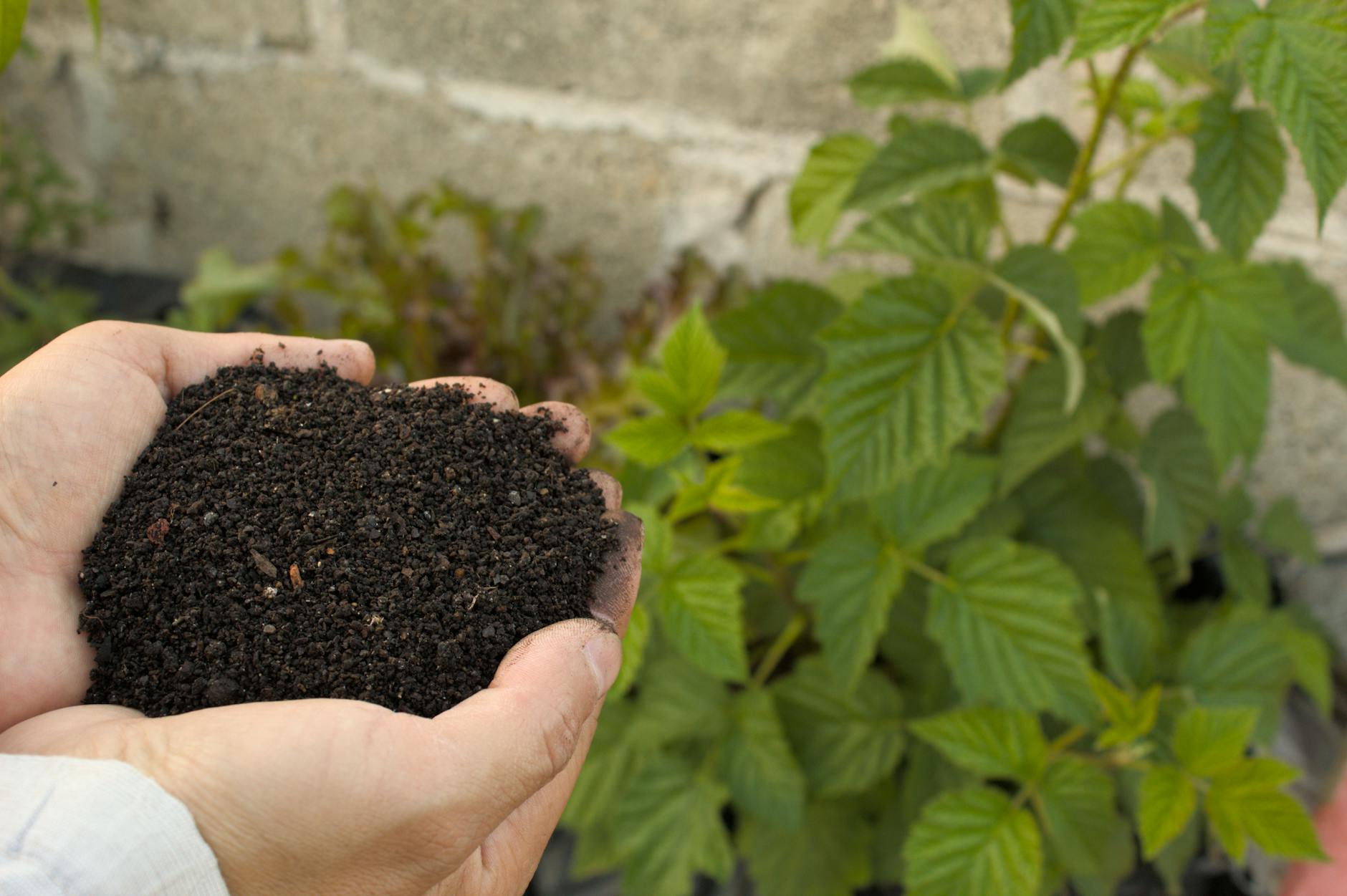
- Only use finished compost around plants. It should be dark, crumbly, and smell like forest floor, with nothing recognizable left in it.
- For a new bed, work 2 to 3 inches into the top 6 to 8 inches of soil. For established beds, about 1 inch spread on the surface each year is plenty.
- You do not have to dig it in. Top dressing works, and the worms do the hauling for you.
- Compost is a soil amendment, not a fertilizer. It feeds the soil slowly; heavy feeders like tomatoes and corn may still want extra help.
- One cubic yard covers roughly 300 square feet at 1 inch deep, or about 100 square feet at 3 inches. That math saves you money at the compost yard.
What Compost Actually Does for Your Soil
Most yards do not come with good garden soil. If you garden on clay, water pools on the surface, the ground compacts into something close to pottery by July, and roots struggle to push through. If you garden on sand, water and nutrients drain away before plants can use them. Compost is the rare fix that helps both problems at once.
Worked into clay soil, compost wedges organic matter between those tight mineral particles so air and water can move again. Mixed into sandy soil, it acts like a sponge, holding moisture and nutrients in the root zone instead of letting them wash through. University of Minnesota Extension describes this same double duty: compost helps light, sandy soil hold moisture and nutrients, and it improves drainage in heavy soil.
The quieter benefit is biological. Compost feeds earthworms, fungi, and the soil microbes that cycle nutrients into forms roots can take up. You cannot see that part happening, but you will notice the symptoms of it: soil that crumbles instead of clumping, beds that hold moisture a day or two longer between waterings, and plants that shrug off stress a little better each season.
Compost vs Fertilizer: What It Will and Will Not Do
Beginners often treat compost and fertilizer as interchangeable, and that mistake runs in both directions. Some gardeners fertilize a bed that really just needs organic matter. Others spread compost and expect it to power a bed of hungry tomatoes all season.
Fertilizer is a nutrient delivery: a measured dose of nitrogen, phosphorus, and potassium that plants can use quickly, and that is gone once they do. Compost carries only a small fraction of those nutrients, and it releases them slowly as soil life breaks it down. What compost does instead is change the soil itself, its structure, its water-holding, its biology. Fertilizer cannot do any of that.
In practice, a bed that gets an inch of compost every year needs less fertilizer over time, and many low-demand crops (lettuce, herbs, beans) will grow happily on compost alone. Heavy feeders are the honest exception. If your corn or tomatoes look pale and hungry mid-season in a composted bed, that is not a failure of your compost. It is simply asking for a supplement.
How to Tell When Compost Is Ready to Use
This is the step I skipped with those sulking tomatoes, so let me save you the three weeks. Unfinished compost is not neutral. The microbes still working on it pull nitrogen out of the surrounding soil to fuel decomposition, which means the seedlings next to it go short. Gardeners call it nitrogen tie-up, and it looks exactly like it sounds: pale, stalled plants in what should be your richest bed.
Finished compost gives you three clear signals:
- Look: uniformly dark and crumbly, with none of the original ingredients recognizable. If you can still name a banana peel, it is not done.
- Smell: earthy, like the floor of a forest after rain. Sour or ammonia smells mean it needs more time.
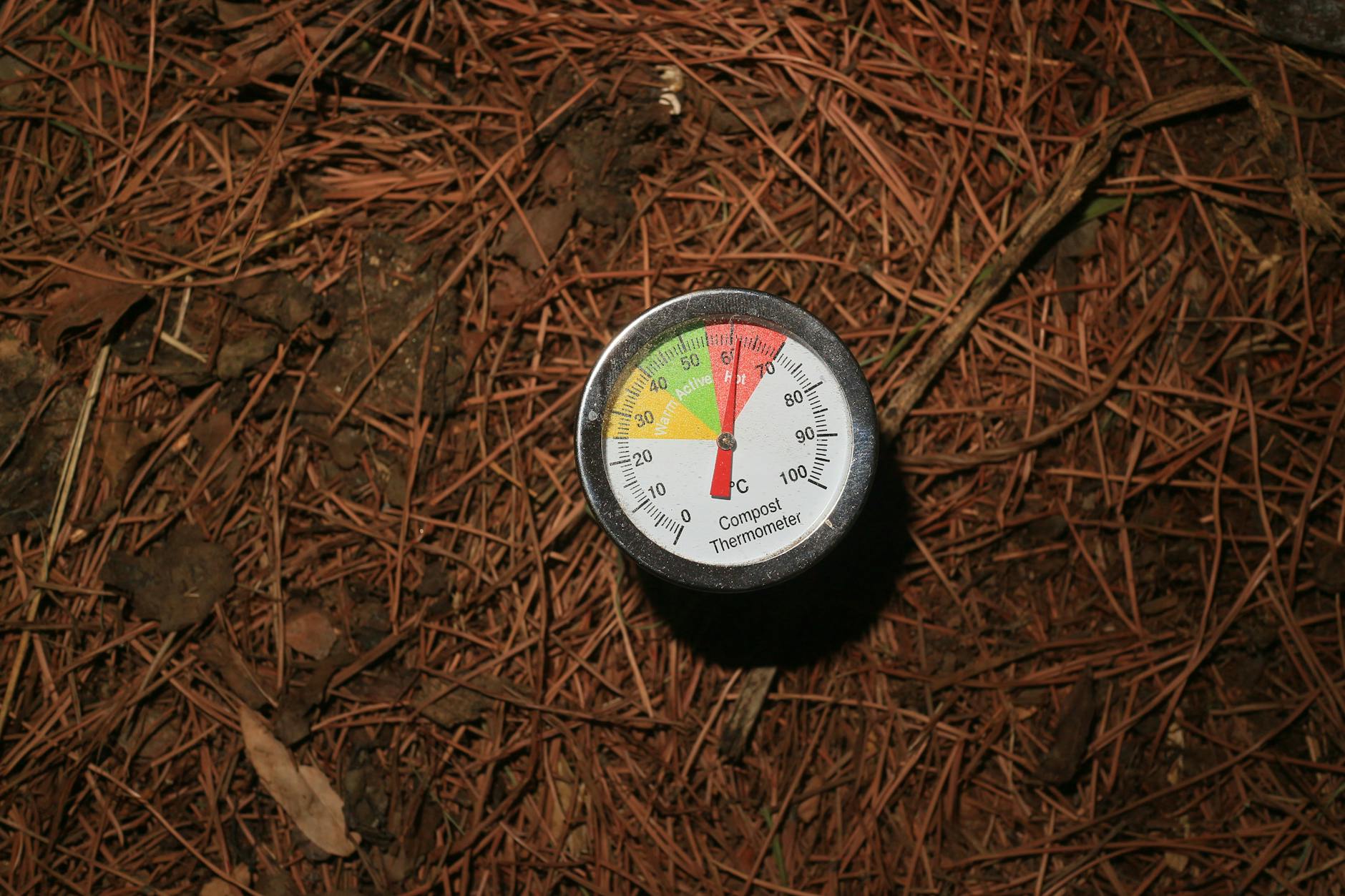
- Temperature: a working pile is warm in the center. A finished pile has cooled to the temperature of the soil around it.
If you are unsure, use the bag test. Seal a moist handful in a zip-top bag for three days, then open it. An earthy smell means it is ready. A sour or rotten smell means the microbes are still working, so give the pile a few more weeks. When in doubt, wait. Compost only gets better sitting there; seedlings do not.
When to Add Compost to Your Garden
The good news is that there is no wrong season, only different jobs for each one.
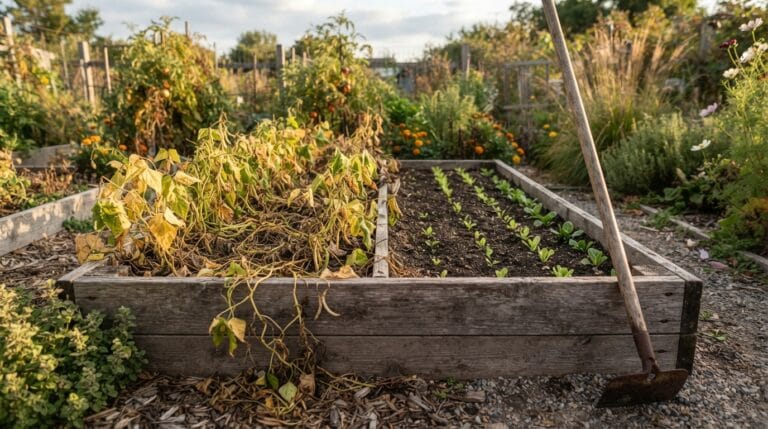
Fall is the most forgiving time. Spread compost over beds as you clear them, even compost that is slightly under-done, and let winter finish the work. By spring the bed is settled, mellow, and ready to plant. If you are putting in fall garlic, this is the moment to feed that bed too, since garlic sits in the ground for eight months and appreciates the head start.
Spring works fine with one condition: the compost must be fully finished. Spread it two or three weeks before planting if you can, so the bed has time to settle. Same-day compost-and-plant is exactly how I starved my first tomatoes.
Summer is for maintenance. A thin ring of compost around heavy feeders in midsummer keeps them moving through the second half of the season. There is no need to dig; lay it on the surface and water it in.
How Much Compost Do You Need?
More is not better here, and this surprises almost everyone. University of Minnesota Extension recommends about an inch or less per year on established garden beds, because phosphorus and potassium build up when a garden gets many inches of compost year after year. If your beds have had heavy compost applications for a while, a basic soil test will tell you whether it is time to take a break.
Here is what that looks like bed by bed:
| Where you are using it | How much | How often |
|---|---|---|
| Brand-new in-ground bed | 2 to 3 inches, worked into the top 6 to 8 inches | Once, when you build the bed |
| Established beds | About 1 inch, spread on the surface | Once a year |
| Raised beds | 1 to 2 inches to top up settling soil | Each spring |
| Containers and pots | Up to about a quarter of the potting mix | When mixing or refreshing |
| Individual planting holes | A shovelful blended with the native soil | At planting |
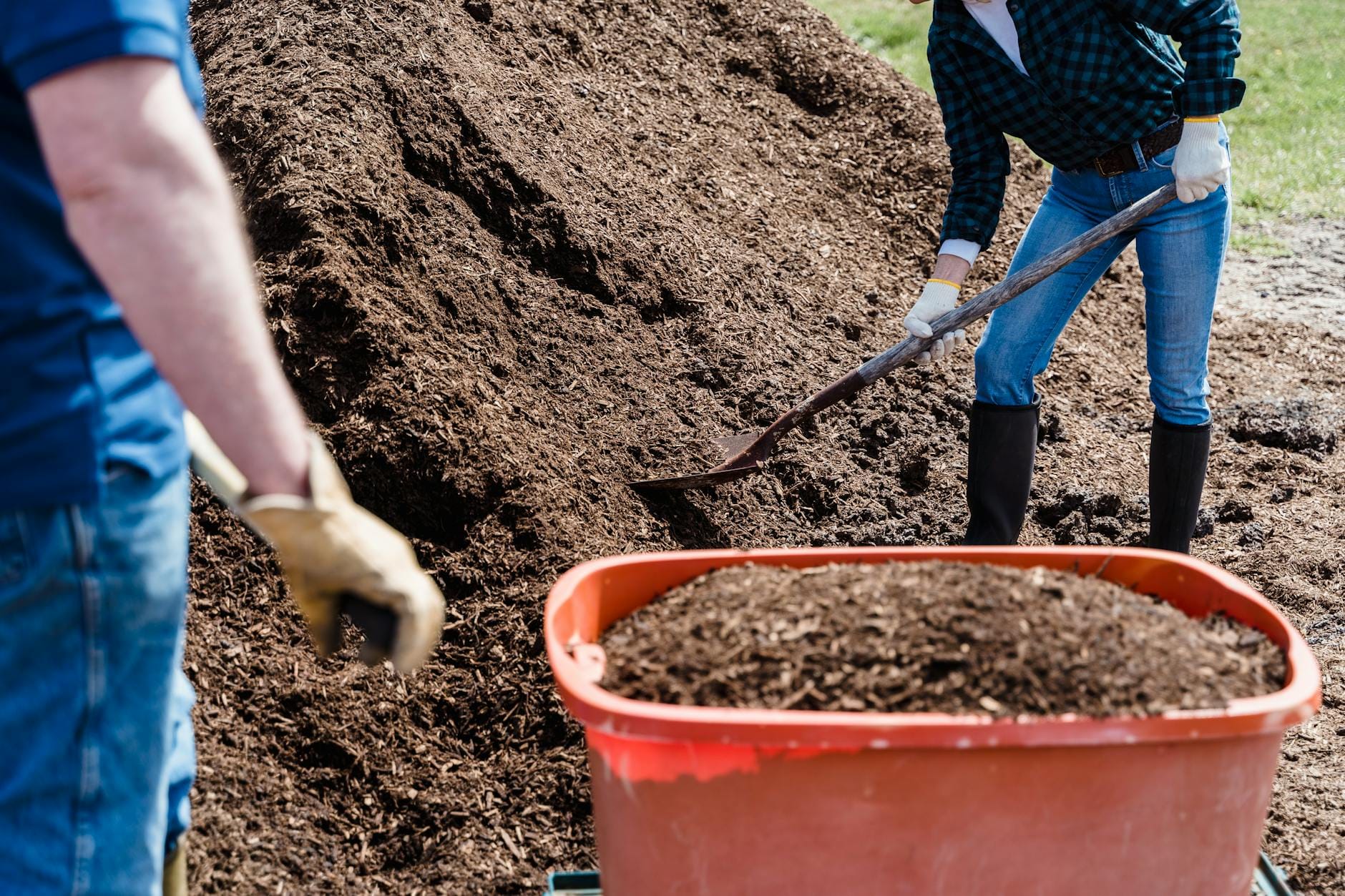
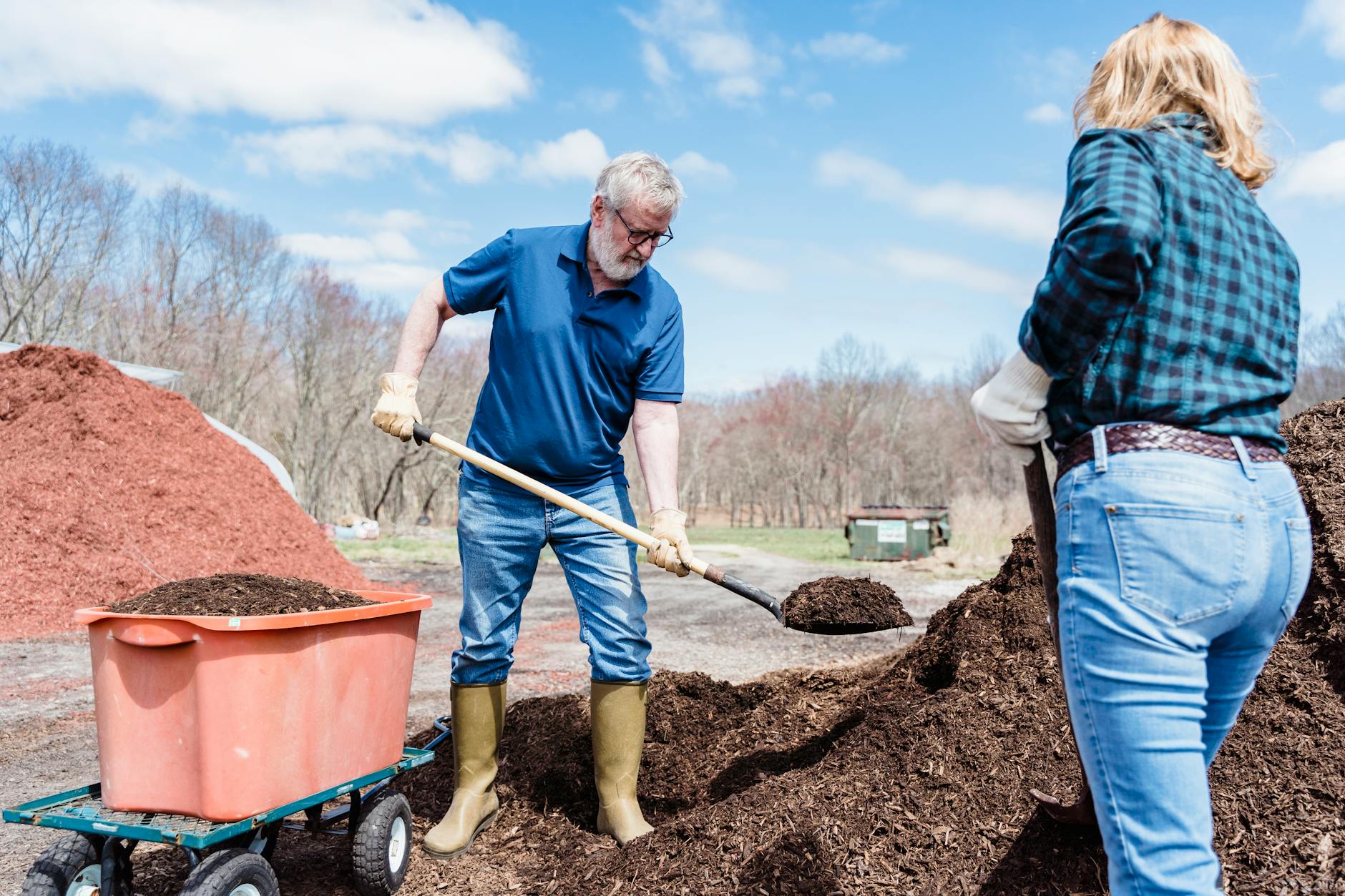
For buying or hauling, the math is simple: one cubic yard of compost covers about 300 square feet at 1 inch deep, or about 100 square feet at 3 inches. Measure your beds before you order and you will not end up with a mystery pile on the driveway in June. Ask me how I know.
How to Apply Compost: Top Dressing, Mulching, and Working It In
There are three application methods worth knowing, and one popular extra you can safely skip.
Working Compost Into a New Bed
When you are breaking ground on a new bed, this is the one time deep mixing earns its keep. Spread 2 to 3 inches of finished compost and turn it into the top 6 to 8 inches of soil with a fork. You are building the root zone plants will live in for years, so it is worth the sweat once. After that first year, put the fork away. Repeated tilling breaks up the soil structure and fungal networks the compost helped you build.
Top Dressing with Compost
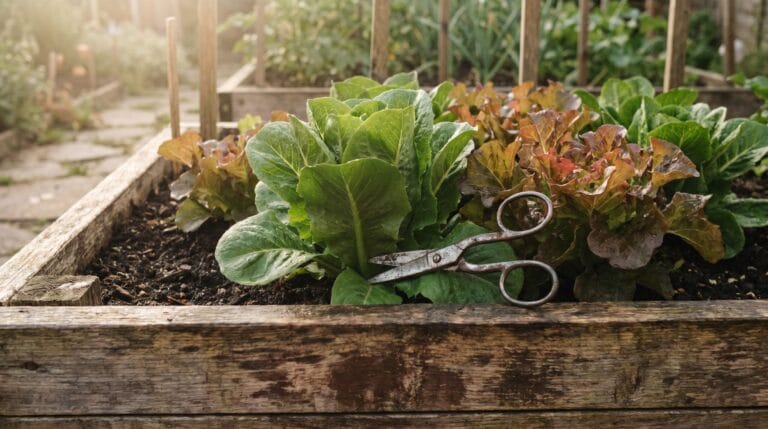
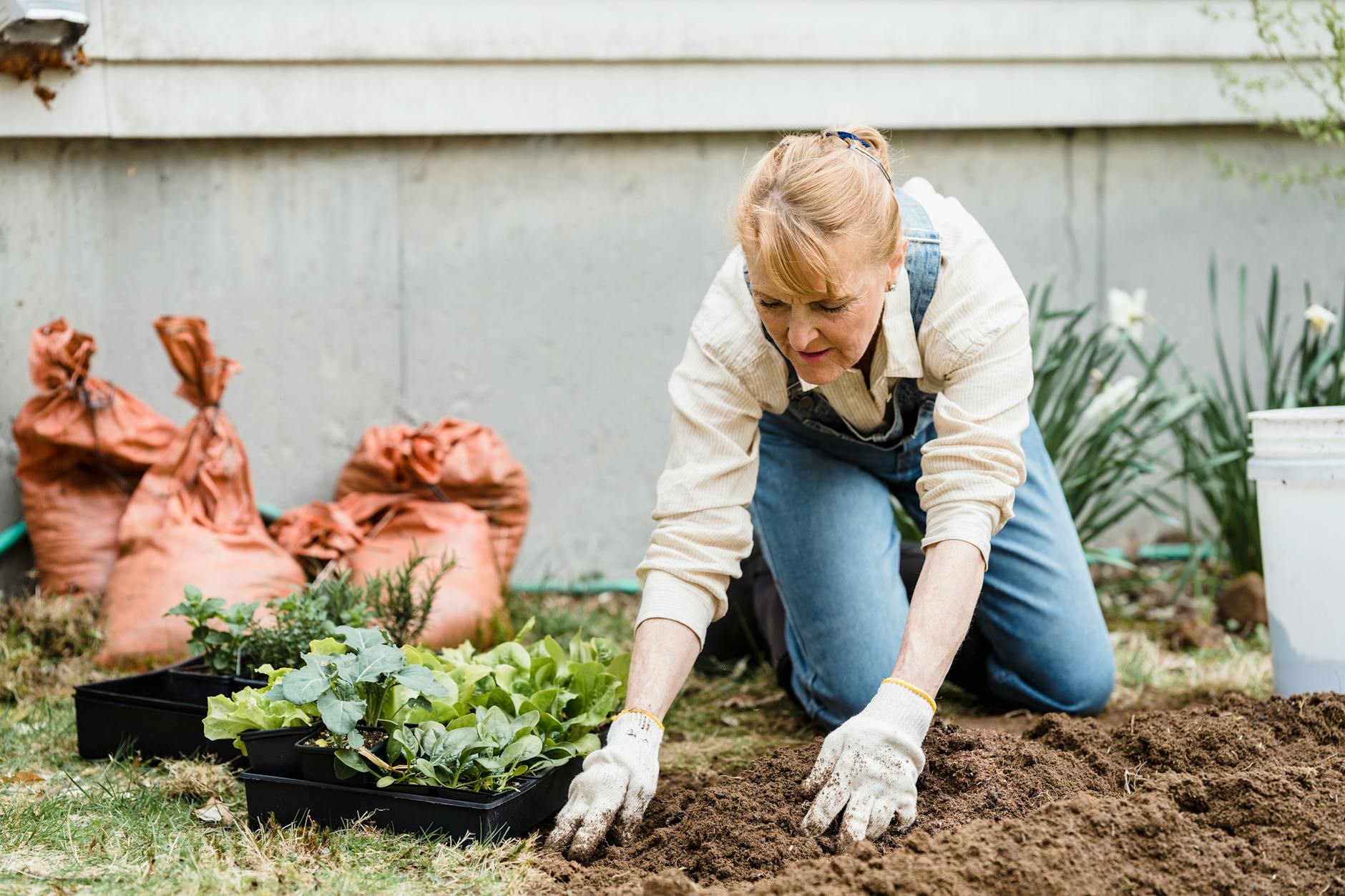
Top dressing is the lazy method that happens to be the right one. Spread about an inch of compost on the soil surface around your plants, keep it an inch or two back from stems, and water it in. Rain, watering, and earthworms carry it down to the roots over the season. No digging, no disturbed roots, no lost weekend. This is how I feed every established bed I have.
Using Compost as Mulch
A 2-inch layer of compost also works as a mulch, moderating soil temperature and slowly feeding the bed all season. One honest caveat: unlike wood chips or straw, compost is a lovely seedbed, so weed seeds that land on it will sprout happily. My fix is to use compost as the bottom layer and cap it with an inch of straw or shredded leaves. You get the feeding and the weed suppression in one pass.
What About Compost Tea?
You will run into recipes for steeping compost in water and spraying the liquid on plants. I have tried it. It does not hurt anything, but the research behind the big claims is thin, and the same handful of compost does more sitting on the soil than steeping in a bucket. As a beginner, spend that hour top dressing instead.
Compost in Raised Beds and Containers
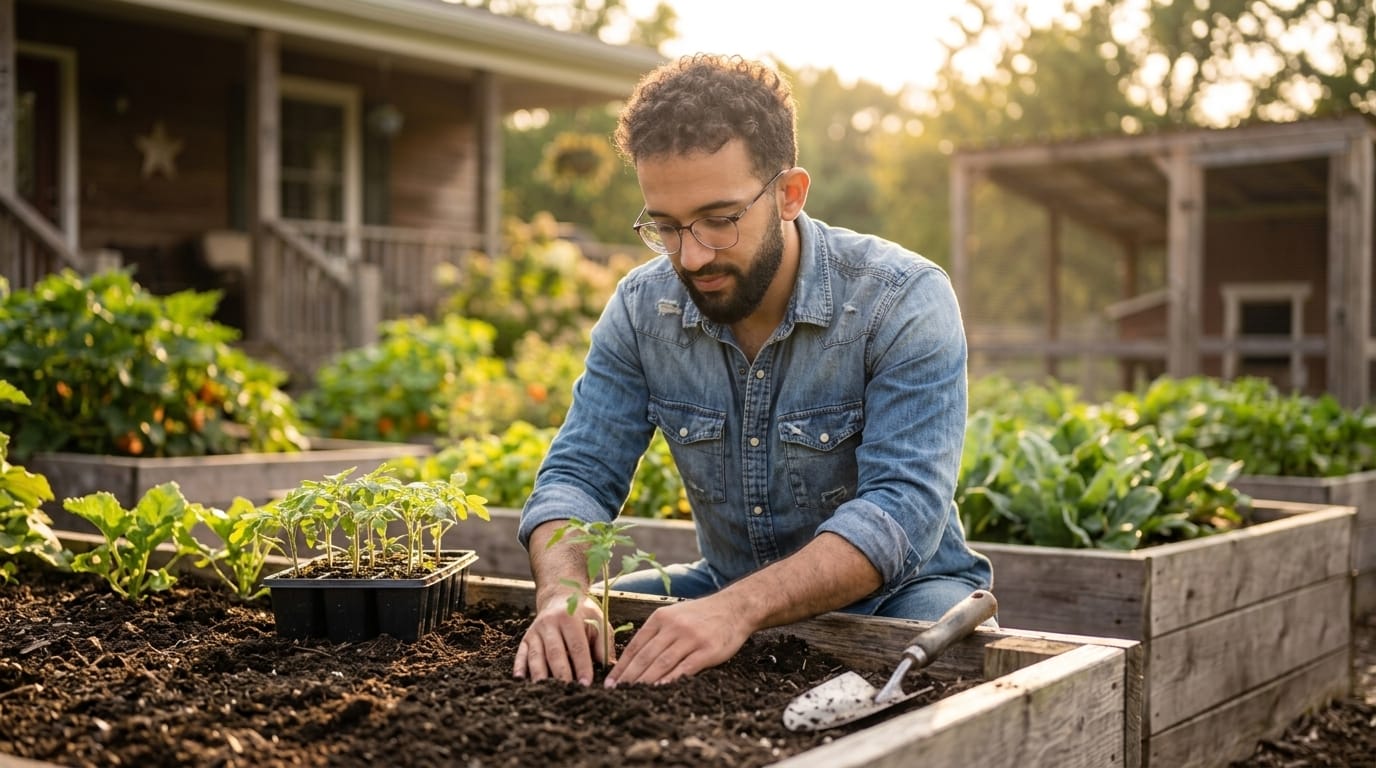
Raised beds burn through organic matter faster than in-ground gardens. They drain more freely, warm up earlier, and their soil life is more active, which is exactly why they grow so well and exactly why the soil level in yours drops an inch or two every year. That drop is your reminder: top up each spring with 1 to 2 inches of compost before planting. If you are starting from an empty frame, compost is one layer of a larger recipe, and our guide to filling a raised garden bed without wasting money walks through the whole thing, as does the raised bed build guide if the frame is not built yet.
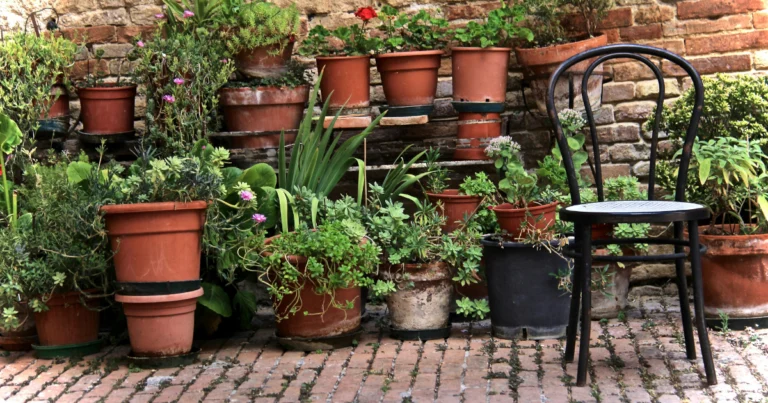
Containers are the one place to hold back. Straight compost in a pot stays soggy, slumps as it keeps breaking down, and can concentrate salts in a small root zone. Keep compost to about a quarter of the mix and let potting soil do the rest. If you are growing vegetables in containers, a scoop of compost stirred into the top of each pot in spring is the whole maintenance program.
Making Your Own Compost vs Buying It
You do not have to make your own compost to garden with it, but most homesteaders end up doing both: a backyard pile for the steady supply, bought compost for the big projects.
The Short Version of Making Your Own
Pile up two to three parts browns (dry leaves, cardboard, straw) for every one part greens (vegetable scraps, coffee grounds, fresh clippings), keep it about as damp as a wrung-out sponge, and turn it every week or two. That is genuinely most of it. The full method, including bin options and small-space setups, is in our guide to starting a compost pile at home.
What Not to Put in Compost
A short list keeps a pile out of nearly all trouble. Leave out meat, fish, bones, dairy, and oily foods, which rot instead of composting and invite every raccoon in the county. Skip pet waste, which can carry pathogens. And keep out diseased plants and weeds that have gone to seed; a casual backyard pile rarely gets hot enough to kill either one, and whatever survives the pile comes right back to the garden in your wheelbarrow.
Buying Compost: What to Look For
Bulk compost from a municipal yard or local landscape supplier usually costs far less per yard than bagged product, and you can inspect it before you pay. Use the same tests you would on your own pile: dark, crumbly, earthy-smelling, cool, nothing recognizable. Ask what it was made from. If a pile smells sour, steams heavily, or is full of visible wood chunks, it is not finished, and you already know what unfinished compost does to seedlings.
Planning where all that compost goes?
The Complete Garden Planner is a 30 page printable with bed maps, planting calendars, spacing charts, and harvest logs, so every bed you feed this year has a plan to match.
The Free Garden Starter Pack
Five printable pages that take the guesswork out of a first season, plus a short email every week or two when something is worth planting, picking, or putting up.
- A garden planning worksheet you can actually fill in
- A seed-starting and planting calendar
- A harvest log to track what really produced
No spam, ever. Unsubscribe in one click.
Thank you. You are on the list.
Your Garden Starter Pack is ready right now. Grab it here:
Download the pack (PDF)Keep an eye on your inbox. The next seasonal guide lands there first.
Frequently Asked Questions About Compost and Gardening
Can you plant directly into compost?
It is not a good idea. Pure compost holds water unevenly, keeps settling as it breaks down, and can carry more soluble salts than young roots like. Blend it with soil (up to about a third compost) and plants will root far better than in compost alone.
Can I just put compost on top of the soil?
Yes, and for established beds it is the method I recommend. Spread about an inch on the surface, keep it off plant stems, and let watering and earthworms move it down. Digging it in is only worth the effort when you are building a brand-new bed.
Does compost go bad?
Not the way food does. A finished pile left sitting just keeps mellowing and shrinking, though rain will slowly wash nutrients out of an uncovered heap. Cover it with a tarp and try to use it within a year or so of finishing, while it still has the most to give.
Is compost good for tomatoes?
Very. A shovelful blended into each planting hole plus an inch of top dressing sets tomatoes up well. Just remember tomatoes are heavy feeders, so compost is the foundation, not necessarily the whole feeding plan for the season.
What is the difference between mushroom compost and regular compost?
Mushroom compost is the spent growing material from mushroom farms, and it often contains added lime and more soluble salts than homemade compost. It is fine worked into most garden beds in moderation, but skip it for seed starting and for acid-loving plants like blueberries.
How long does it take to make compost?
A hot, actively turned pile can finish in as little as four to eight weeks. A passive pile you add to and mostly ignore takes six months to a year. Either way, the readiness tests above matter more than the calendar.
Final Thoughts
Those sulking tomatoes from my first spring recovered, eventually, and the bed that stalled them became the best soil on the place once the compost finished its work. That is the whole lesson in one bed: compost rewards patience and punishes hurry.
Your next step is small. Check your pile with the bag test, or measure your beds and price a half yard from the local compost supplier. Spread an inch this fall, cap it with straw, and let winter do the digging for you. By spring you will be gardening in different soil, and you will not be able to take a picture of the reason. It will just be everywhere in the bed.