Cucumber Companion Plants: What Works and What Does Not
The first year I grew cucumbers I planted them next to the melons, because both were vines and it seemed tidy. By July every plant in that corner had the same yellowing leaves and the same small striped beetles working through them. The tidy corner turned out to be a buffet.
That is companion planting doing its work in reverse, and it is the part most charts skip. Search for cucumber companion plants and you get a dozen lists that mostly agree with each other and almost never explain why. Some of what they tell you is real. A surprising amount of it is folklore that has been copied from chart to chart for decades.
This sorts the two. What genuinely helps cucumbers, with the mechanism behind it, what actively hurts them, and which popular advice does not survive contact with the research.
The Short Answer
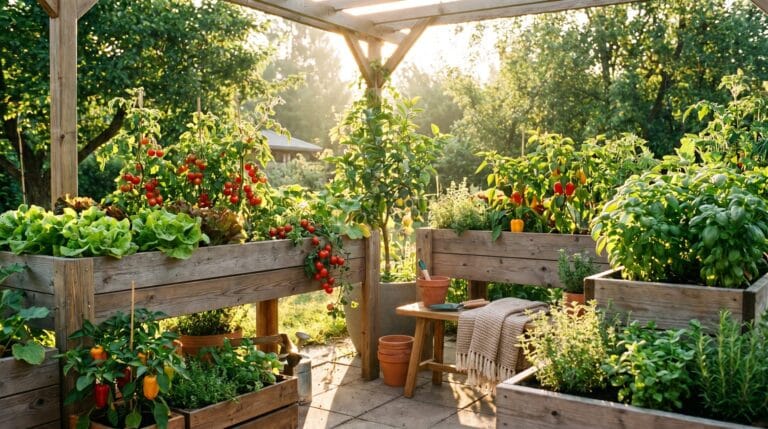
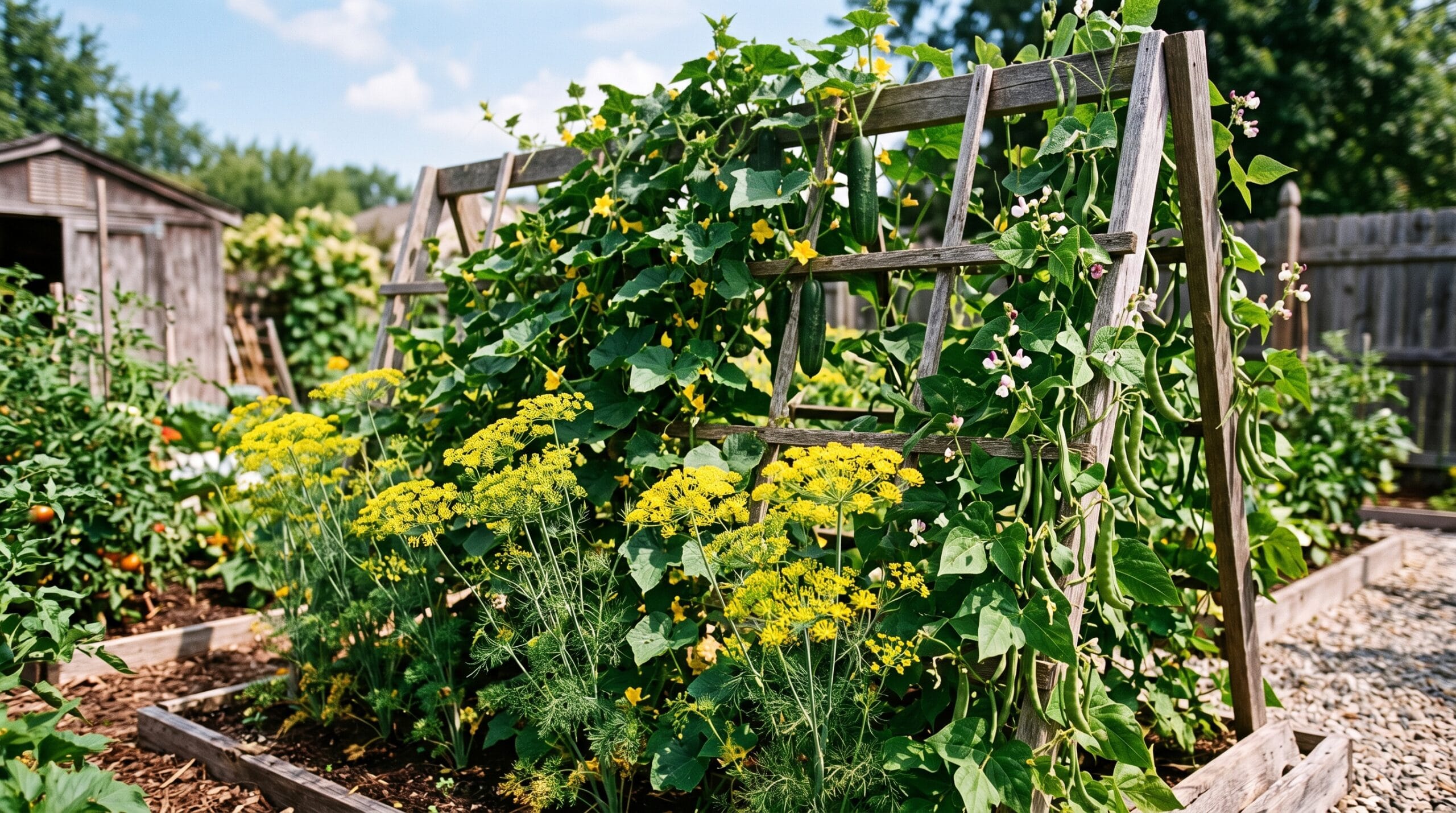
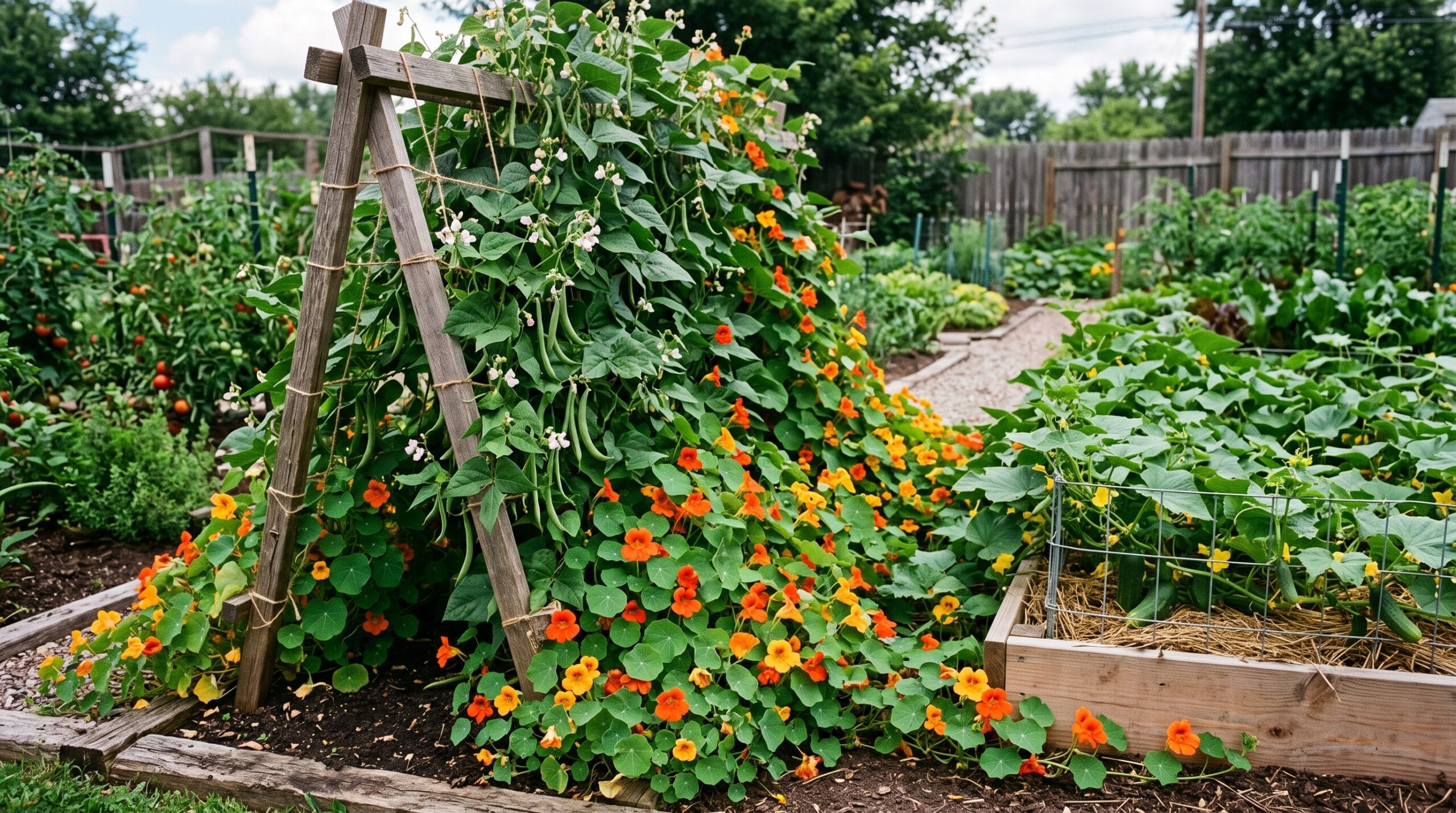
- Plant near cucumbers: beans and peas (nitrogen), corn or sunflowers (support and shade), nasturtiums (trap crop), dill and other small-flowered plants (they feed predatory insects).
- Keep away from cucumbers: other members of the squash family, potatoes, and anything that will shade them out.
- The single most useful rule has nothing to do with pairings. Do not group all your cucumbers, squash, melons and pumpkins together, because they share the same pests.
- Aromatic herbs planted to repel pests are the weakest claim in the whole practice. The research does not support it.
- Mixed plantings do help, but through general diversity rather than specific plant friendships.
What Companion Planting Actually Is
Worth knowing before you rearrange a bed on the strength of a chart: horticultural scientists are not especially fond of the phrase.
Linda Chalker-Scott, an extension horticulturist at Washington State University, traces the idea back through centuries of associating plants with the zodiac and the four elements, and concludes in The Myth of Companion Plantings that traditional companion charts have “entertainment, not scientific, value.” Her preferred terms are intercropping and plant associations, because those describe something measurable.
That sounds dismissive, and it is not. The same paper documents real, repeatable benefits from growing several species together. Diverse plantings attract and hold predatory and parasitoid insects. Mixing species disrupts the ability of pest insects to locate their host plants, apparently by confusing both sight and smell, so they waste energy landing on the wrong thing.
So the mechanism is usually diversity itself rather than a specific friendship between two species. That distinction is what separates the advice below from most of what you will read.
What Genuinely Helps Cucumbers
| Plant | What it actually does | How solid is it |
|---|---|---|
| Beans and peas | Fix nitrogen through root bacteria and release it into the surrounding soil | Well documented |
| Corn or sunflowers | Provide a living trellis and afternoon shade in hot climates | Physical, and obvious once you see it |
| Nasturtiums | Act as a trap crop, pulling aphids onto themselves instead of your vines | Trap cropping is a real, studied tactic |
| Dill, cilantro, fennel left to flower | Their tiny flowers feed parasitoid wasps and hoverflies that eat aphids | Well documented |
| Low leafy crops like lettuce | Act as living mulch, shading soil and slowing weeds and evaporation | Physical, same principle as Three Sisters |
The nitrogen one is worth a caveat that most charts omit. Beans release meaningful nitrogen as their roots break down, which mostly benefits whatever grows there next season rather than the cucumber sitting beside them this year. It is a real effect on a slower clock than the charts imply.
The flowering herbs are the one I would not skip. Letting a few dill plants bolt costs you nothing, and the wasps that show up are the ones eating the pests you would otherwise be spraying for.
Bad Companion Plants for Cucumbers
Other squash-family crops
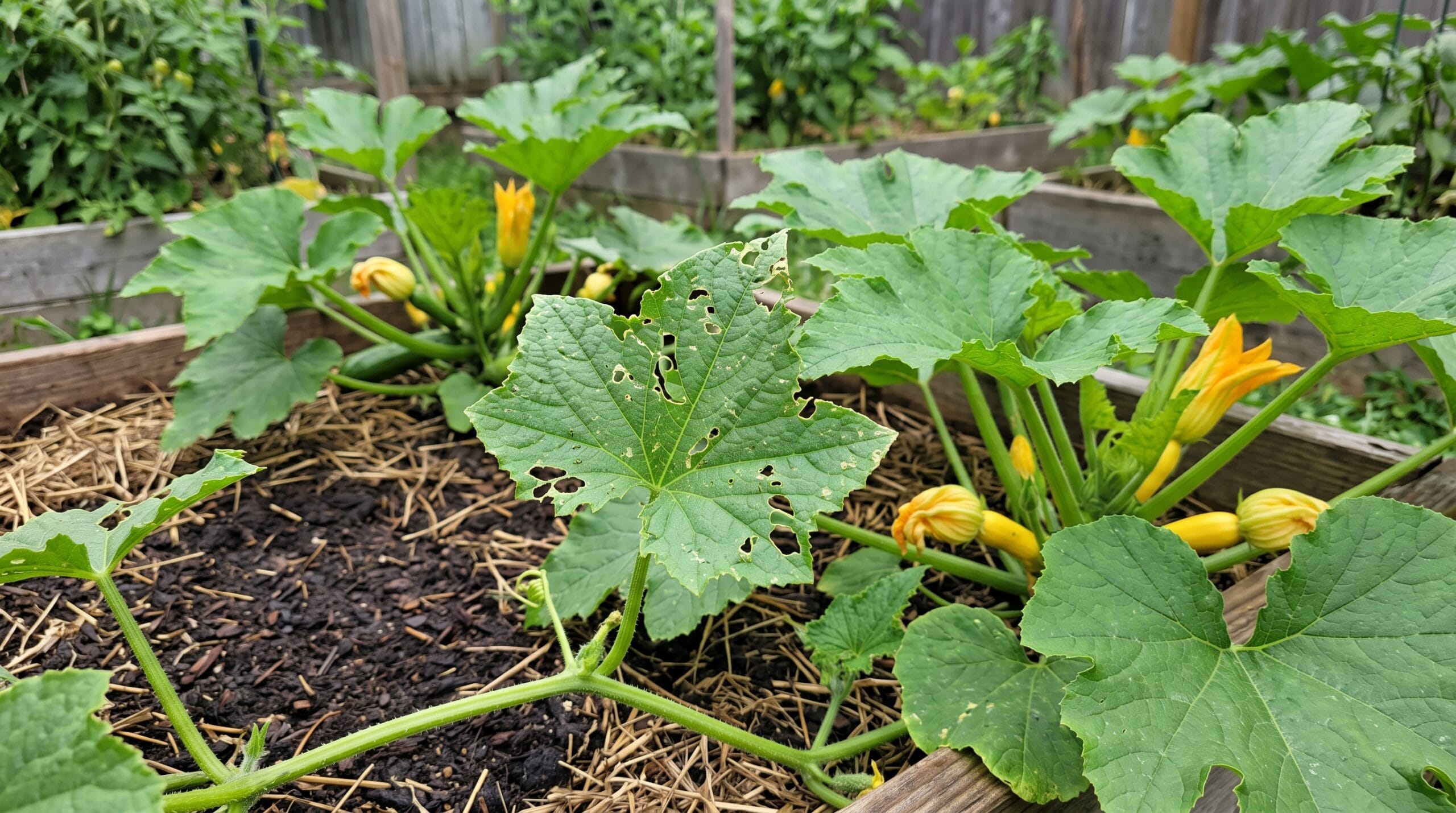
This is the important one, and it is the mistake I made. Cucumbers, summer squash, winter squash, pumpkins and melons are all cucurbits, and they share their pest list. Striped and spotted cucumber beetles feed across the whole family, and UC Integrated Pest Management tracks them as a cucurbit-wide problem rather than a cucumber-specific one.
Planting them shoulder to shoulder gives a beetle population one continuous food supply and no reason to leave. Spreading cucurbits to opposite ends of the garden does more for you than any pairing on this page.
Potatoes
Both are hungry crops with wide root systems competing for the same water and nutrients in the same layer of soil. Potatoes also want hilling, which means repeatedly disturbing soil that cucumber roots are sitting in. The traditional charts are right about this pairing, though for ordinary competition reasons rather than anything mysterious.
Anything that will shade them
Cucumbers want full sun. Corn and sunflowers appear on the good list because they are planted to the north where their shade falls away from the bed in the afternoon. Put them on the south side and the same plants become the problem. Placement is doing the work, not the species.
The Claims That Do Not Hold Up
These appear on nearly every cucumber companion chart. They are worth naming because following them costs you bed space you could use for something that works.
Aromatic herbs repel pests
The most repeated claim in companion planting, and the weakest. Chalker-Scott cites work finding that traditional companion plants including aromatics like mint had little or no disruptive effect on insect behavior. Strong smell does not reliably drive insects off a neighboring plant.
Grow herbs near cucumbers if you want herbs near cucumbers. Letting them flower genuinely helps, for the reason in the table above. Expecting the smell alone to protect anything is the folklore part.
A ring of marigolds protects the bed
Marigolds do have a documented effect on root-knot nematodes, but it comes from growing a dense stand of them and turning it into the soil, working as a cover crop over a season. A decorative border of six plants is not the same intervention, and it is the border version that ends up on the charts.
Radishes drive off cucumber beetles
Widely repeated, thinly sourced. Radishes are quick, cheap and take up almost no room, so there is little reason not to tuck them in. Just do not treat them as your beetle plan. Row cover until flowering, then hand-picking, remains what actually works.
How to Lay It Out
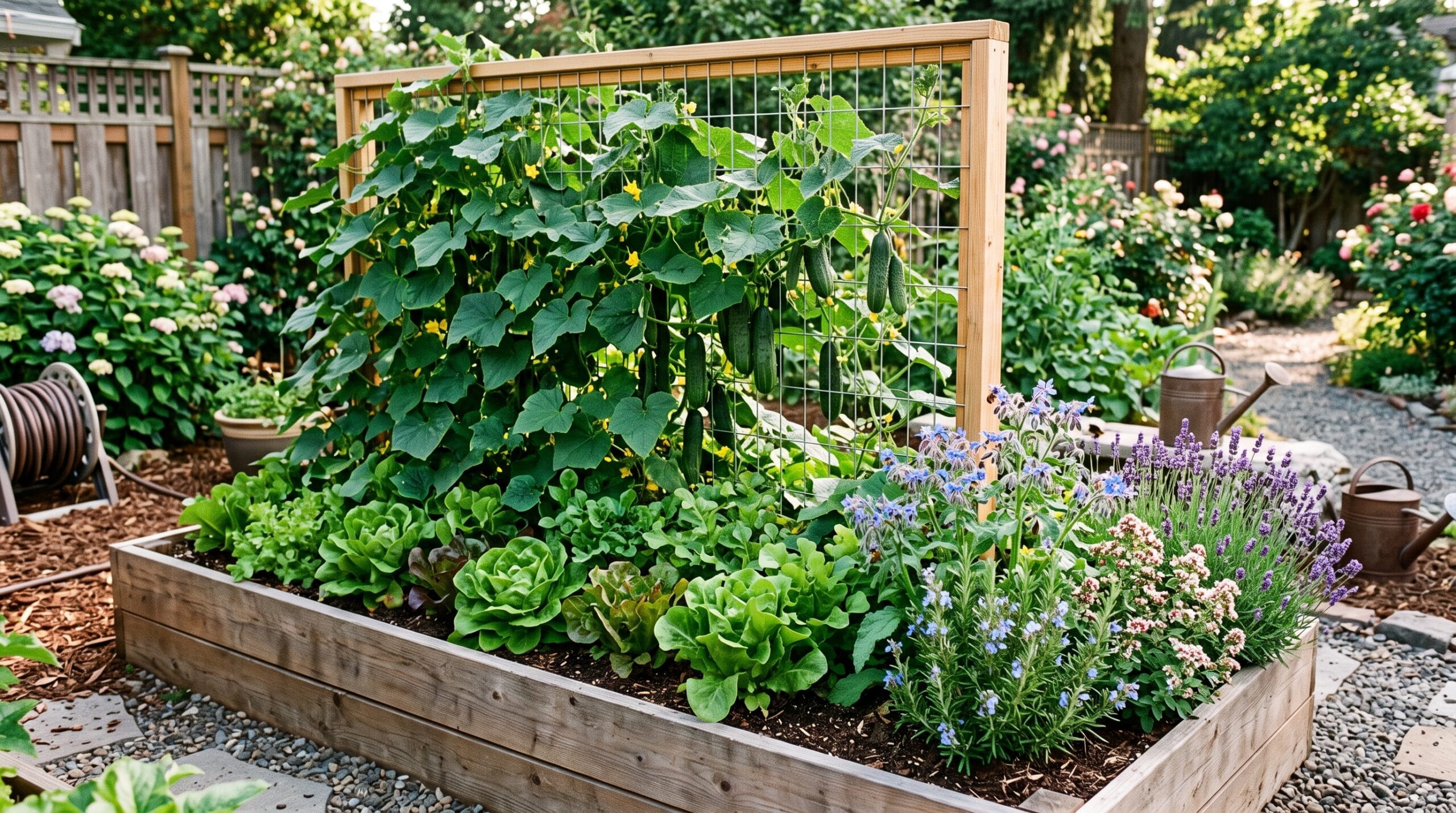
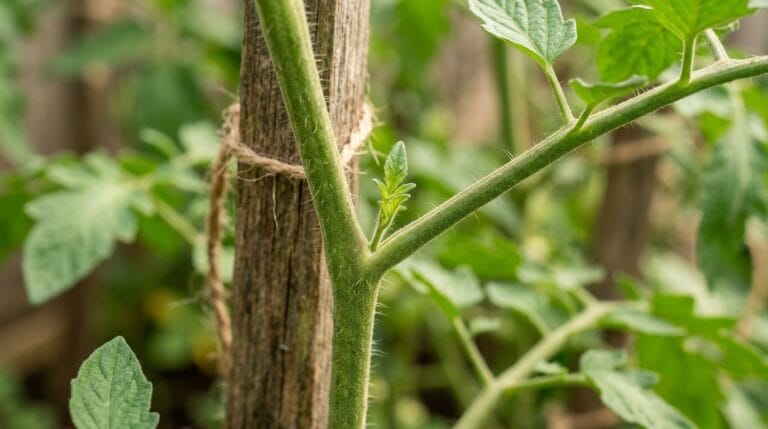
- Put the cucumbers on a trellis. Vertical growing improves airflow, which does more against powdery mildew than any neighbor will.
- Tall things to the north. Corn, sunflowers or the trellis itself, so nothing shades the bed through the afternoon.
- Low crops at the base. Lettuce or radish in the space the vines have not filled yet, acting as living mulch.
- Flowering herbs at one end. Dill or cilantro allowed to bolt, feeding the predatory insects.
- Nasturtiums at the edge. Where aphids will find them before they find the vines.
- Other cucurbits somewhere else entirely. Different bed, other side of the garden.
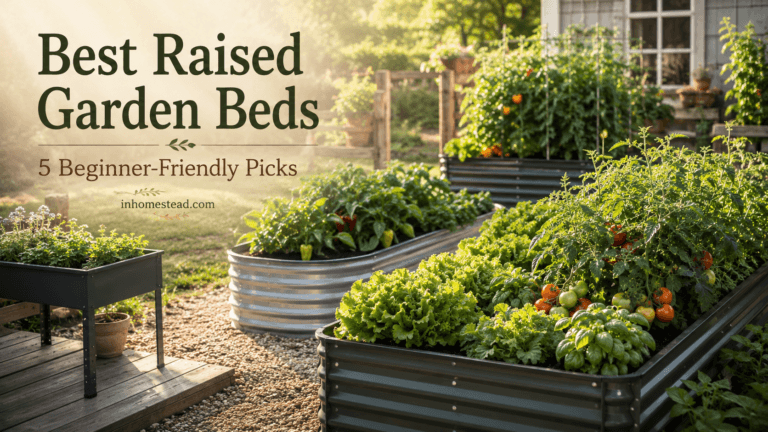
West Virginia University Extension suggests keeping plants with positive associations within two or three rows of each other, and separating problem pairings by at least that much. It is a workable rule of thumb for a backyard bed. If you are still setting one up, our guide to filling a raised garden bed covers what goes underneath all of this.
Planning next season’s beds?
The Complete Garden Planner is 30 printable pages for laying a season out on paper before anything goes in the ground: bed grids, square-foot spacing, a zone and frost reference, pest ID pages, and a harvest log to tell you what actually earned its space.
Frequently Asked Questions About Cucumber Companion Plants
Can cucumbers and tomatoes grow together?
Yes. They are in different families so they do not share the cucurbit pests, and both want sun, water and a trellis. Give them enough room that the tomato does not shade the cucumber, and watch airflow, since both are prone to fungal problems in crowded beds.
Do cucumbers and zucchini cross-pollinate?
No, they are different species and will not cross. The reason to separate them is shared pests, not pollination. Cross-pollination only matters if you are saving seed, and then only between varieties of the same species.
What is the best single companion for cucumbers?
If you only add one thing, let some dill flower nearby. It costs no space, needs no attention, and brings in the parasitoid wasps and hoverflies that work on aphids for you.
Will companion planting replace pest control?
No, and treating it that way is how people end up disappointed. Mixed plantings reduce pest pressure at the margins. For cucumber beetles specifically, row cover until flowering and hand-picking after are still the reliable tools.
Can I plant cucumbers where squash grew last year?
Better not to. Rotating away from the whole cucurbit family for two or three years breaks the cycle of soil-borne disease and overwintering beetles. Rotation and spacing are the two boring practices that outperform every clever pairing.
The Tidy Corner Problem
The bed that failed on me failed for a reason I could have found in any extension bulletin. Everything in it was the same family, so everything in it fed the same beetle.
Keep the cucurbits apart, put something flowering nearby, and trellis the vines. That is most of the benefit, and it does not require memorising anyone’s chart. If you are picking crops for a first season, our list of the easiest vegetables to grow for beginners is a reasonable place to start, and when the cucumbers do come in faster than you can eat them, making pickles at home is the traditional answer.
The Free Garden Starter Pack
Five printable pages that take the guesswork out of a first season, plus a short email every week or two when something is worth planting, picking, or putting up.
- A garden planning worksheet you can actually fill in
- A seed-starting and planting calendar
- A harvest log to track what really produced
No spam, ever. Unsubscribe in one click.
Thank you. You are on the list.
Your Garden Starter Pack is ready right now. Grab it here:
Download the pack (PDF)Keep an eye on your inbox. The next seasonal guide lands there first.