How to Freeze Zucchini (Shredded, Sliced, and Blanched)
A basket of zucchini looks manageable until you open the refrigerator and remember the two already in the drawer. Freezing gives that harvest somewhere useful to go, especially if you decide now whether it will become soup or zucchini bread.
To freeze zucchini, cut it into ½-inch slices, blanch in boiling water for 3 minutes, cool in ice water, drain, and pack for freezing. For baking, grate it and steam-blanch small batches for 1 to 2 minutes instead. These are the two methods in the National Center for Home Food Preservation’s summer squash directions.
The important expectation is texture. Frozen zucchini is an ingredient for cooked meals, not a replacement for crisp raw zucchini. Here is how to prepare both forms, pack portions you will actually use, and avoid a freezer full of mystery bags.
Table of Contents
The Short Answer
- Slices: Cut ½ inch thick and water-blanch for 3 minutes.
- Shredded zucchini: Steam-blanch in small quantities for 1 to 2 minutes, until translucent.
- Cool before freezing: Ice water for slices; stand containers of blanched shreds in cold water.
- Pack for the recipe: Small bags of slices for soup, measured containers of shreds for baking.
- Expect softness: Freezing will not preserve the texture of fresh squash.
- Storage: Keep at 0°F (−18°C) or below. Properly prepared frozen vegetables generally keep their best quality for 8 to 12 months.
Choose the Cut Before You Start
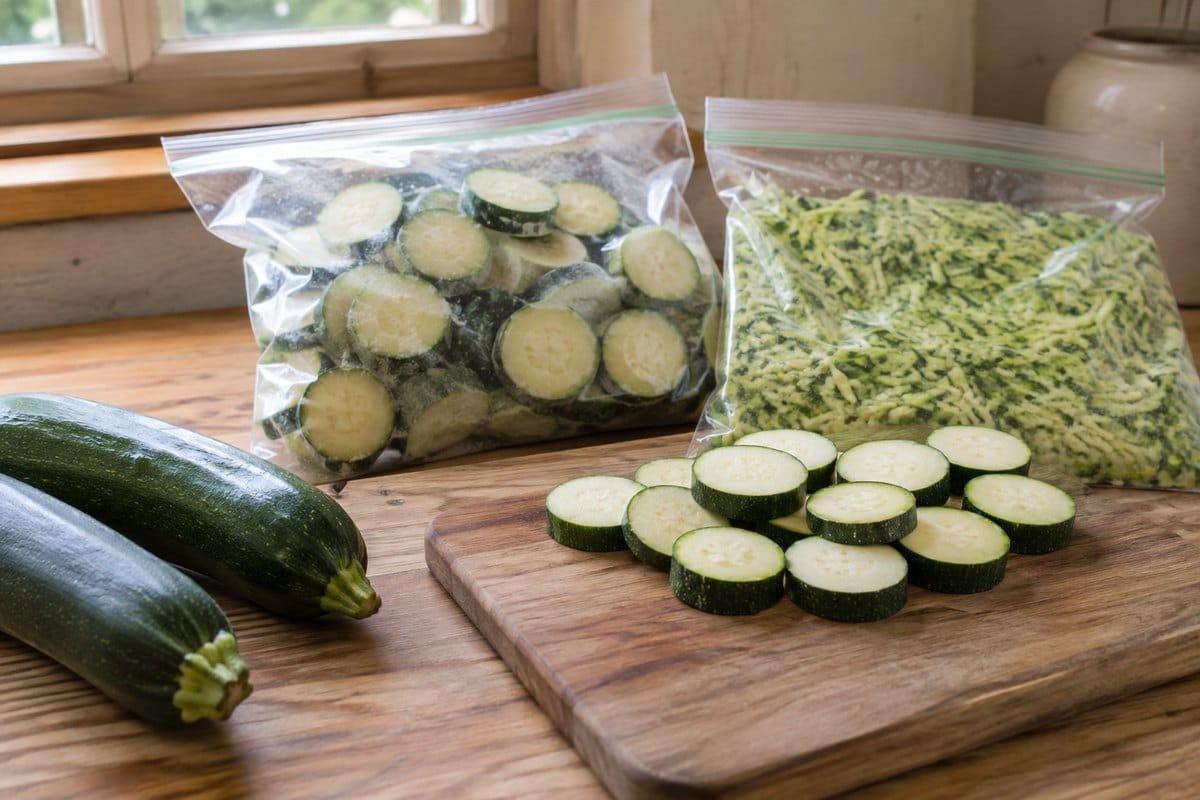
Think about the meal before you pick up the knife. A bag of rounds is easy to tip into a pot, but awkward to grate after thawing. Shreds disappear into batter, but will not give a soup those recognizable pieces of squash.
| What you want to make | Prepare the zucchini as | Best fit |
|---|---|---|
| Soup, stew, or a casserole | ½-inch slices | Pieces that will soften as they cook |
| Zucchini bread or muffins | Grated, in measured portions | A recipe that accepts thawed zucchini |
| A raw salad or crisp vegetable platter | Keep some fresh | Freezing is not a good match |
If you have only a few squash, split them between the first two options. One small batch of each is a useful way to find out which your household reaches for. The best freezer stash is the one that turns into dinner.
Start With Fresh, Tender Zucchini
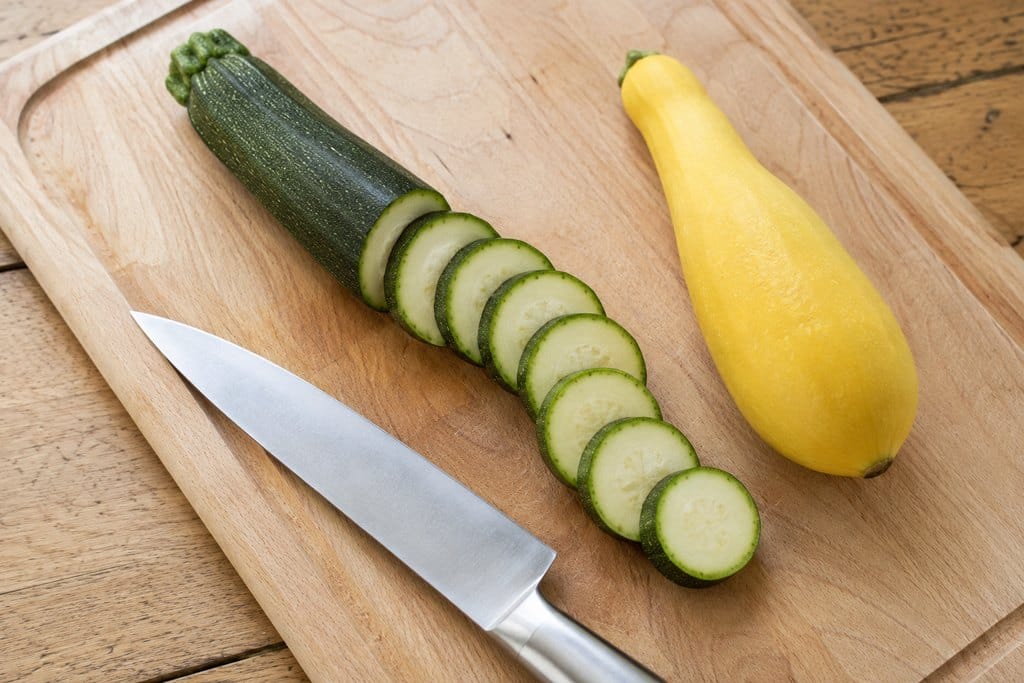
Choose young, tender squash rather than a tired specimen you have been meaning to use all week. Freezing preserves what you start with; it does not improve it. Green zucchini and tender yellow summer squash can both use the sliced method.
Wash the squash under cool running water, rubbing the surface gently, and trim the ends. You do not need to peel tender zucchini. Colorado State University Extension’s zucchini guidance covers washing and notes that frozen zucchini works well in foods where its softer texture is welcome.
Before heating the water, set out a cutting board, knife or grater, timer, colander, and freezer-safe containers. For slices, have a large bowl of ice water ready. For shreds, you need a covered pot with a steaming basket and a shallow pan of cold water to cool the filled containers.
Keep the setup simple. You do not need a vacuum sealer for this job. Freezer bags or suitable rigid freezer containers are enough, and small batches are easier to manage on an ordinary kitchen stove.
How to Freeze Zucchini Slices
This is the method to choose when you want visible pieces of squash in a cooked dish. Cut fairly evenly so the pieces receive similar treatment. The timing below is for ½-inch slices, not whole zucchini or large chunks.
- Slice the washed zucchini ½ inch thick. Prepare only what you can blanch and cool without crowding the pot.
- Bring a large pot of water to a full boil. Use about 1 gallon of water per pound of prepared vegetables.
- Add a small batch and cover. Begin the 3-minute timer when the water returns to a boil. If that takes longer than 1 minute, reduce the next batch.
- Move the slices straight into ice water. Cool them promptly, about as long as they were blanched, replenishing ice as needed.
- Drain thoroughly. Let trapped water run out of the colander before packaging.
- Pack, seal, label, and freeze. Leave ½ inch of headspace in rigid containers. Remove excess air from freezer bags without crushing the squash.
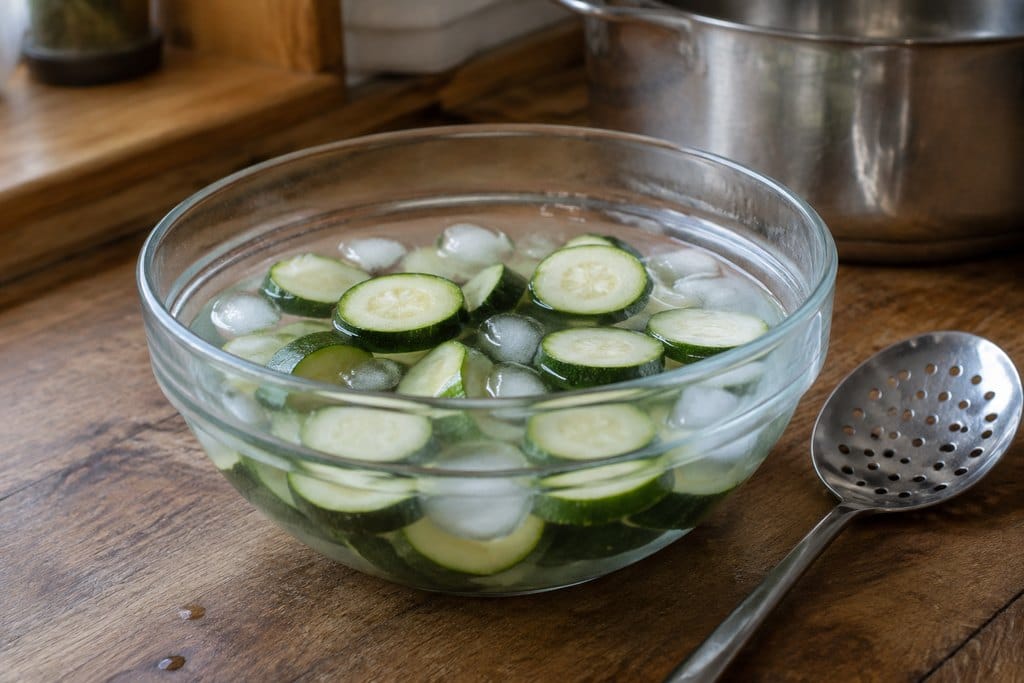
The water volume, timing rule, and immediate cooling follow NCHFP’s blanching guidance. Set the timer before you start; guessing while you wash another bowl is an easy way to overcook a small batch.
Blanching is a brief heat treatment before freezing, not the final cooking step. If you have used our guide to freezing green beans, the hot-water-then-cold-water routine will feel familiar. Use the timing for the vegetable in front of you rather than borrowing it from another crop.
How to Freeze Shredded Zucchini for Baking
Grated zucchini deserves its own method. A loose pile of shreds is not handled like a basket of rounds, and plunging those shreds into an ice bath makes an already watery ingredient harder to manage.
- Wash, trim, and grate the zucchini. Work in small quantities so the steam can reach the shreds.
- Steam-blanch for 1 to 2 minutes. Use a covered steamer and stop when the zucchini becomes translucent.
- Pack into freezer-safe containers in measured amounts. Leave ½ inch of headspace. Choose the quantity your usual bread or muffin recipe needs.
- Stand the containers in cold water to cool. Keep the cooling water outside the containers, below their rims.
- Seal, label, and freeze once cooled. Include the measured amount on the label so you do not have to guess later.
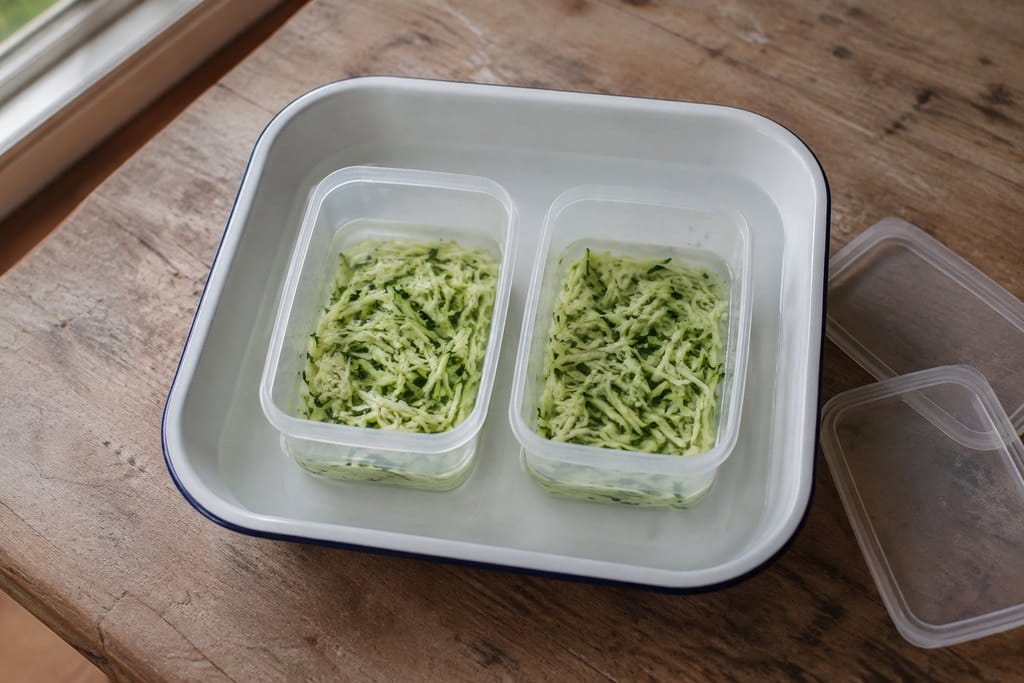
This procedure follows Nebraska Extension’s directions for freezing grated zucchini. Notice the difference in cooling: the container sits in water, while the zucchini stays inside it.
Choose a recipe before filling the containers if you can. A note such as “2 cups, steam-blanched, September 5” tells your future self much more than “zucchini.” If your recipes vary, smaller portions give you more flexibility than one large tub.
Can You Freeze Zucchini Without Blanching?
Yes, raw zucchini can be frozen, but skipping blanching changes the quality you should expect. It is not the recommended long-storage method used in this guide.
Penn State Extension explains that enzymes remain active in raw frozen zucchini and can contribute to tougher texture. It also explains why thawed squash releases so much water: freezing damages its water-filled cells.
Blanching helps control enzyme-related quality loss. It does not make zucchini freeze like a firm carrot, and neither method will give you crisp slices after thawing. For a harvest you want to keep and use over the coming months, follow the blanched method.
If you already froze a bag raw, label it honestly and plan to try it in a cooked dish where softness is not a problem. Do not assume that a shortcut has the same quality window as properly blanched and packaged vegetables.
Packing and Freezer Storage
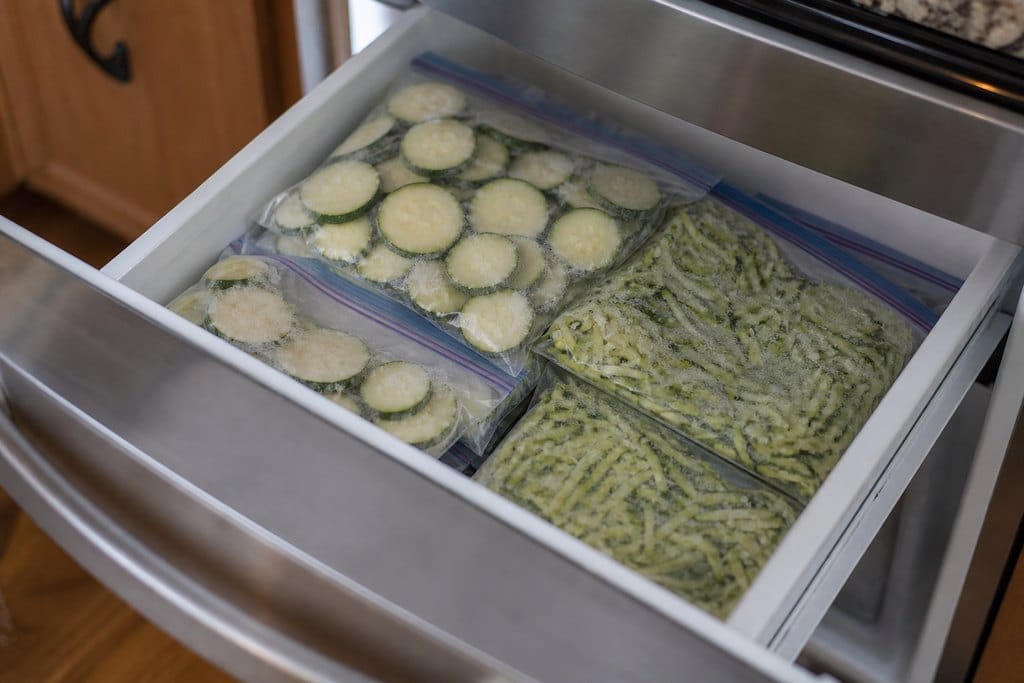
Use packaging intended for the freezer, close it securely, and include the cut, amount, and date. Keep new packages spaced apart while they freeze; stack them once solid. Thin, meal-sized packages are easier to organize than a bulky bag that holds half the harvest.
NCHFP gives 8 to 12 months as the general quality range for frozen fruits and vegetables that are correctly prepared and stored at 0°F or below. Aim for the earlier end for best quality. That is a quality guideline, not an automatic spoilage deadline, and it does not cover food that has warmed during a freezer failure.
A freezer thermometer takes the guesswork out of the temperature. Keep older packages at the front, and add zucchini to your meal list rather than waiting until the next harvest to rediscover it.
If you are preserving several crops at once, our guide to methods of preserving food at home can help you match each ingredient to a suitable method. Plain zucchini is not a crop to improvise a home-canning process for; use tested preservation directions for the exact food and preparation.
How to Use Frozen Zucchini
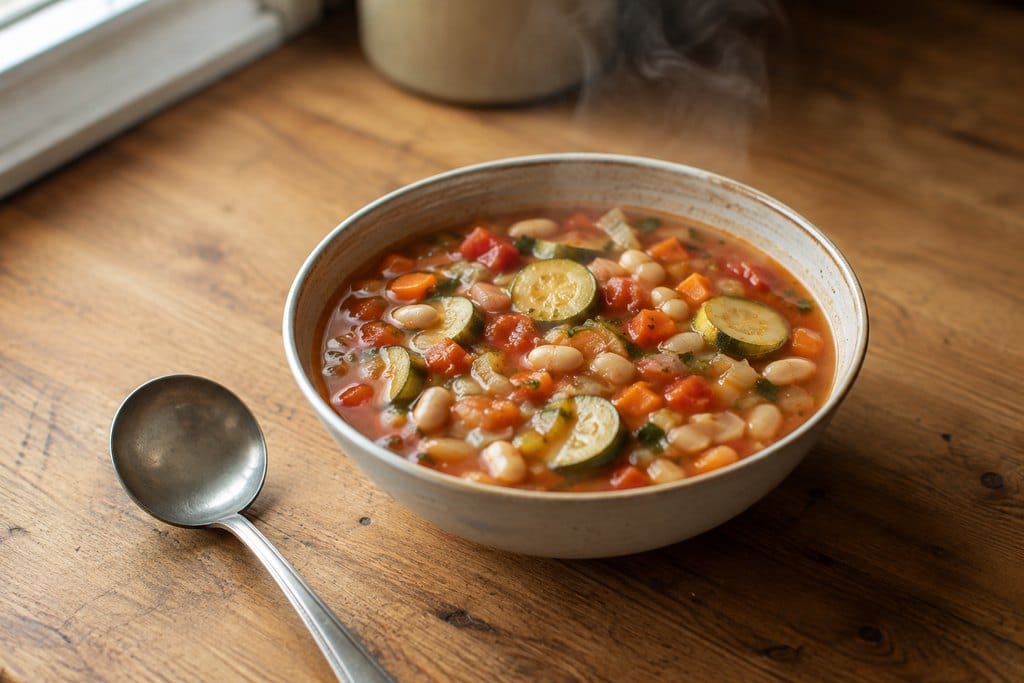
For soup or stew: Add frozen slices directly to the cooking liquid and cook until tender. You do not need to thaw a bowlful on the counter first. NCHFP’s serving guidance recommends cooking most frozen vegetables without thawing them first.
For bread or muffins: Thaw the measured shreds in the refrigerator. If water collects, drain the excess liquid, then follow your recipe’s directions about squeezing. A recipe written for thawed zucchini is easier to work with than guessing how much moisture a fresh-zucchini batter needs.
For casseroles: Check whether the recipe calls for frozen vegetables or thawed, drained ones. Adding an icy block to a recipe that expects drained squash can change both its moisture and its cooking time.
A few dependable uses are more helpful than a long list of possibilities. Keep one soup and one baking recipe alongside your freezer notes. If there are peaches waiting on the counter too, our peach-freezing guide covers that separate job; fruit does not use the zucchini blanching routine.
When the Results Are Not What You Expected
- The zucchini is soft: Some softening is normal. Choose a cooked use instead of expecting raw-salad texture. Check that future batches are not being blanched too long.
- The bag contains a lot of ice: Review draining and sealing. Packing wet slices leaves more water in the package, while poor seals allow quality loss during storage.
- Everything froze into one block: Pack smaller, recipe-sized amounts next time. A bag that goes into one pot does not need to pour out piece by piece.
- The shreds release a puddle: Drain excess liquid after refrigerator thawing and use a suitable recipe. Watery shreds are not evidence that you forgot to peel the zucchini.
Frequently Asked Questions
Do you have to peel zucchini before freezing?
No. Leave the skin on young, tender zucchini after washing it. The directions here are intended for tender summer squash, not an overgrown squash with hard skin and a large mature seed cavity.
Can you freeze yellow squash the same way?
Yes. The sliced method applies to tender summer squash, including yellow squash. Keep the slices ½ inch thick and use the specified water-blanching time.
Can you freeze zucchini whole?
For this method, cut it first. Whole zucchini is inconvenient to portion later, and the blanching directions are for slices or grated zucchini. Prepare the form you intend to cook.
Should you squeeze shredded zucchini before freezing?
The extension method used here does not call for squeezing it dry before freezing. Steam-blanch, measure, cool, and pack it as directed. Deal with excess liquid after thawing, then follow your baking recipe.
How do you freeze zucchini without it getting mushy?
You cannot fully preserve its fresh texture. Start with tender squash, follow the blanching time, cool promptly, and package well to protect quality. Plan for soup, baking, or another cooked use where softness is acceptable.
Do you thaw frozen zucchini for bread?
Usually, yes, unless the recipe specifically directs otherwise. Thaw shreds in the refrigerator and drain any excess water. Use the portion amount you recorded before freezing as your starting reference.
Start With One Useful Batch
You do not need to process a whole garden’s worth in one afternoon. Put away a few soup portions and a measured container for your next loaf. Once those have earned their space in the freezer, you will know exactly what to do with the next basket.