Easiest Vegetables to Grow for Beginners: 9 Forgiving Picks
The most common first-year gardening mistake is planting everything. The seed rack is full of promise in spring, and it is easy to come home with tomatoes and melons and peppers and a dozen kinds of squash, plant it all, and then feel buried by July when half of it bolts, wilts, or never comes up at all.
A better first year looks different. You plant a short list of forgiving vegetables that grow fast, shrug off small mistakes, and actually feed you — and each little harvest builds the confidence to grow more next season. That is what this list is: easiest vegetables to grow for beginners we would hand a brand-new gardener, why each one is so forgiving, and the few things you need to get right to bring in a real harvest.
Table of Contents
What Makes a Vegetable Easy for Beginners
Not all vegetables are equally forgiving. The ones on this list share a few traits worth knowing, because they are the same traits to look for when you eventually branch out:
- Fast to harvest — a quick first crop tells you something is working before you lose interest.
- Forgiving of mistakes — they tolerate uneven watering and imperfect soil.
- Few serious pests or diseases for a first-time grower to battle.
- Easy to start — most can be direct-sown from cheap seed, no special equipment.
- Productive in small space, so a single bed or a few containers earns its keep.
If you are starting completely from scratch, our guide to starting a garden as a beginner covers the groundwork; this list is what to actually plant once you are ready.
The 9 Easiest Vegetables to Grow
1. Leaf Lettuce
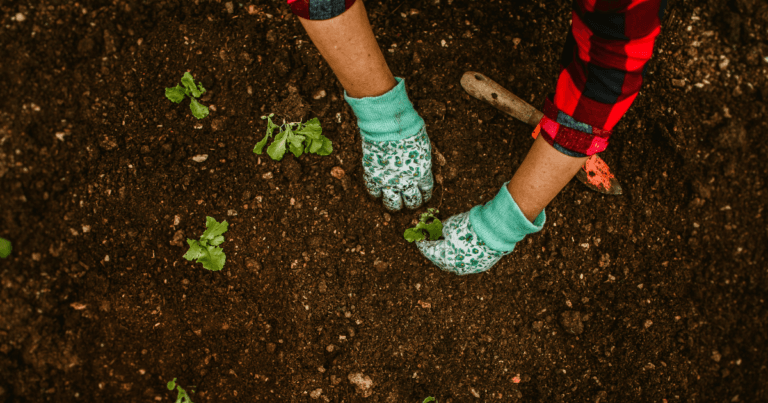
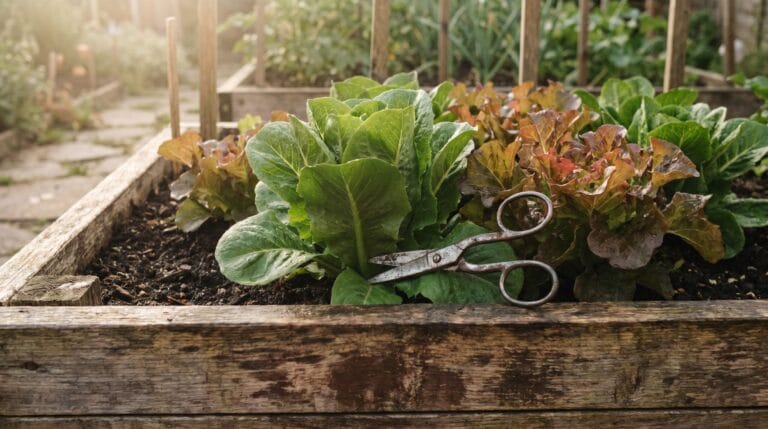
Leaf lettuce is the fastest path to a real harvest. Scatter seed in cool weather (spring or fall), barely cover it, keep it watered, and you are picking leaves in a month. Better still, it is cut-and-come-again: take the outer leaves and the plant keeps producing for weeks. Here is how to harvest leaf lettuce so it keeps growing.
2. Radishes
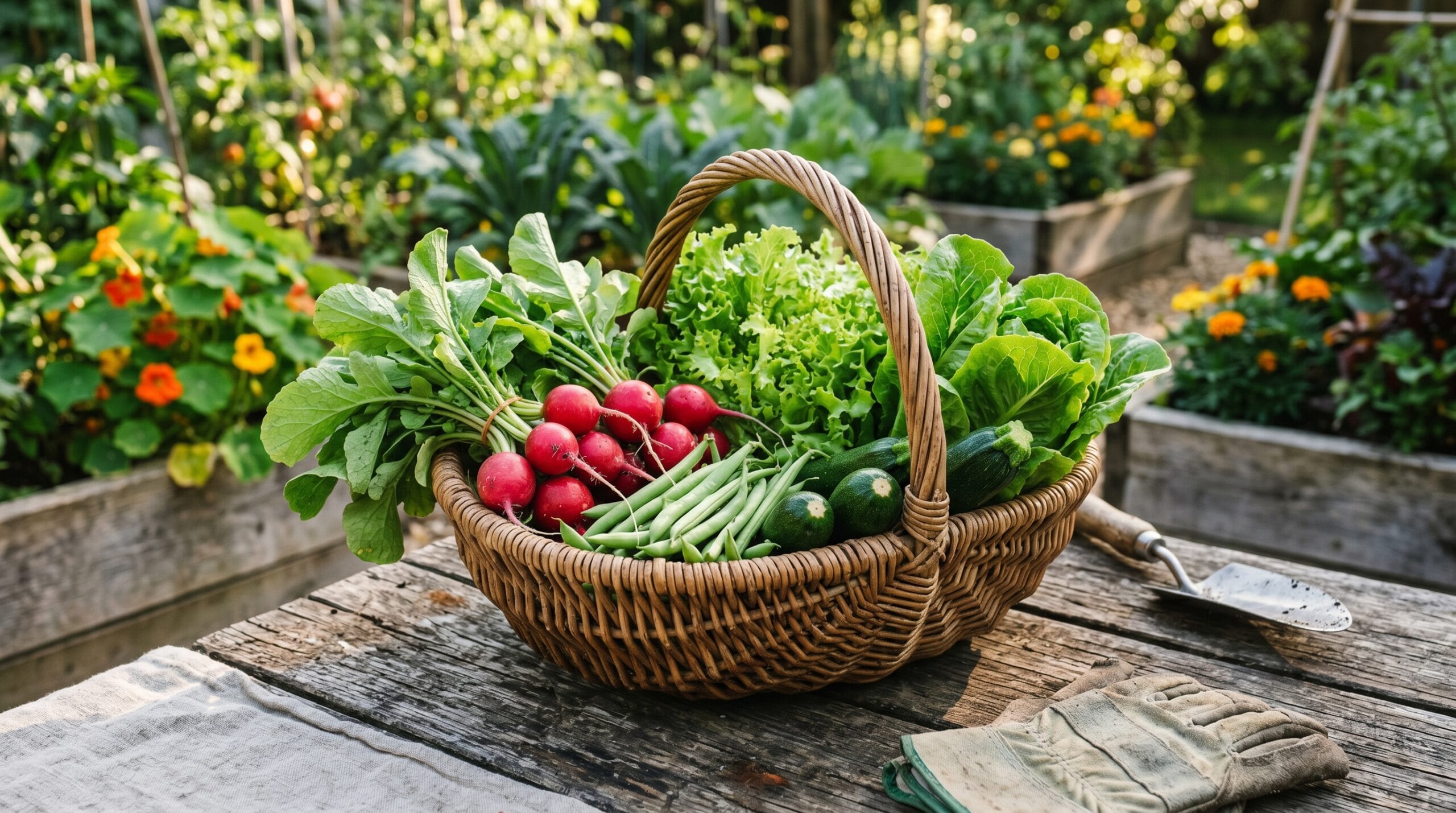
Radishes are the fastest vegetable most people can grow — many varieties go from seed to harvest in three to four weeks. Direct-sow them in cool weather, thin the seedlings so they are not crowded, and pull them young before they turn woody. They are the perfect crop to plant with kids, or to prove to yourself that this works.
3. Bush Green Beans
Bush beans give you the productivity of beans without the trellis. Wait until the soil is warm and the frost is past, sow the seeds directly, and they germinate quickly and reliably. A short row produces for weeks, and the more you pick, the more the plants set — so harvest often.
4. Zucchini and Summer Squash
Zucchini is famous for a reason: one or two healthy plants can bury a family in squash. Give it warm soil, full sun, and room to sprawl, and it produces relentlessly. The main “mistake” with zucchini is planting too much — two plants is plenty for most households.
5. Cherry Tomatoes
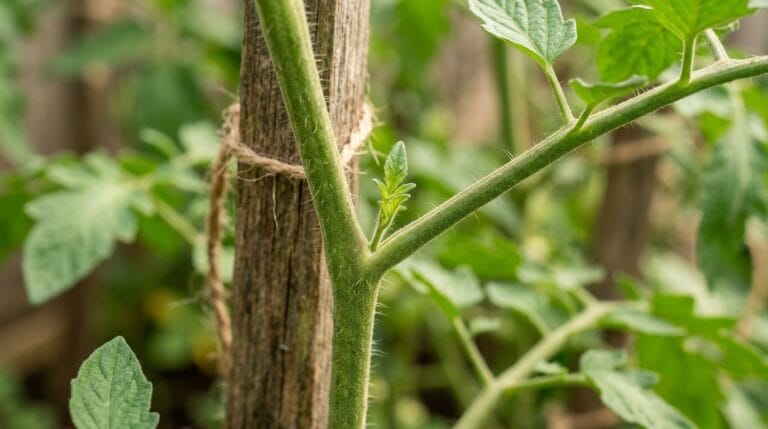
Full-size tomatoes can frustrate a first-year gardener, but cherry tomatoes are far more forgiving — they set fruit earlier, crack less, and keep going even if your care is uneven. Start with a transplant rather than seed, give the plant a sturdy support, and pick handfuls all summer. A good tomato support is the one thing worth setting up early.
6. Cucumbers
Cucumbers are vigorous and productive once the weather warms. Give them a trellis to climb — it saves space, keeps the fruit clean and straight, and makes picking easy. Like beans, they reward frequent harvesting: pick them young and the vine keeps producing.
7. Snap Peas
Peas are a cool-season crop you sow early, while the ground is still chilly and little else is growing. They need a few twigs or a short trellis to climb, and they are ready to eat straight off the vine. Plant them in early spring (or late summer for a fall crop) and they all but grow themselves.
8. Green Onions
Green onions (scallions) are nearly foolproof and quick. Sow seed or tuck in sets, and you can begin snipping the green tops in a few weeks. You can even regrow store-bought scallions by planting the white root ends — a fun, free way to start.
9. Kale and Swiss Chard
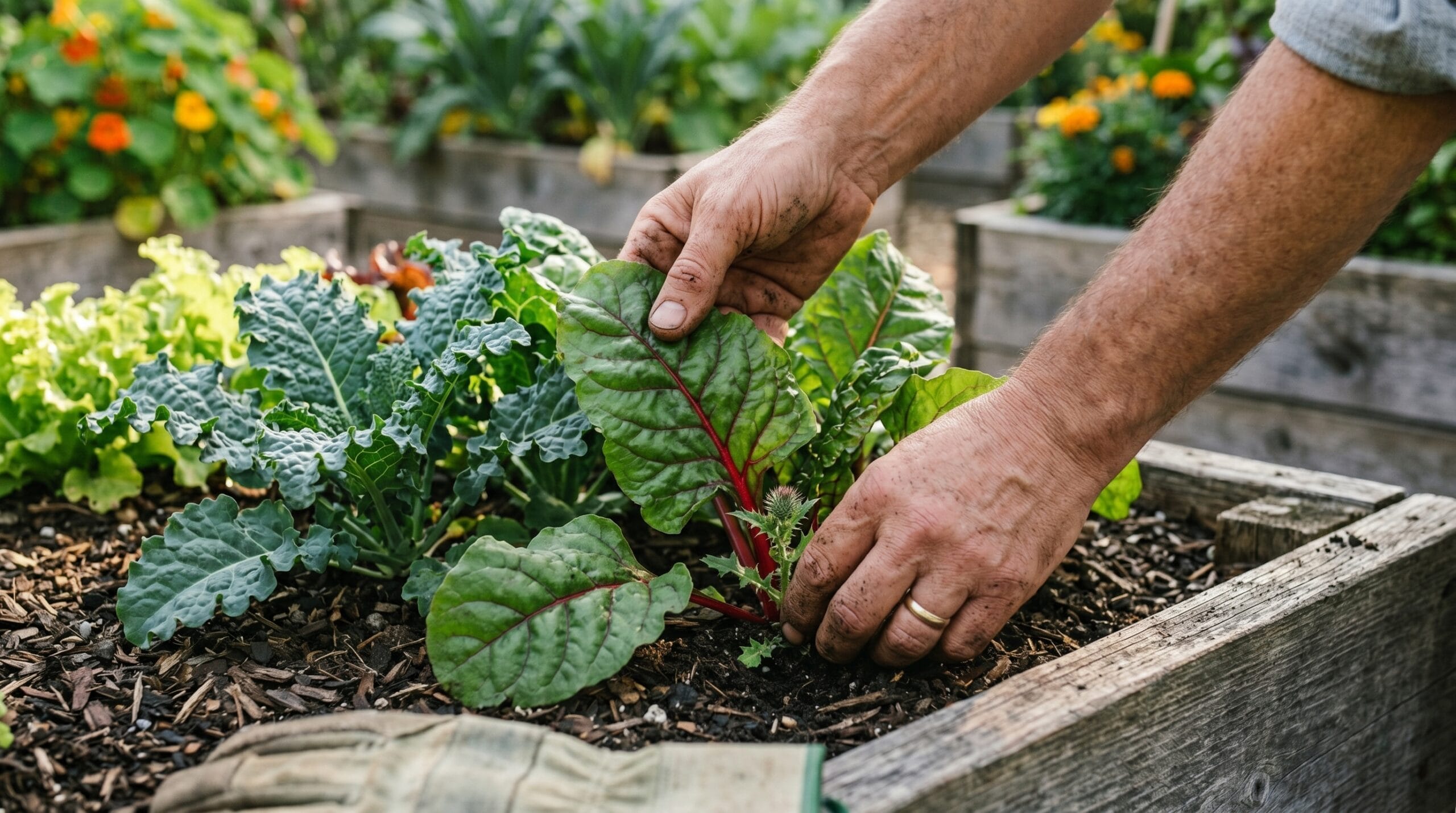
If you want one planting that feeds you for months, grow kale or Swiss chard. Both are hardy, shrug off cold (kale often sweetens after frost), and are cut-and-come-again like lettuce — take the outer leaves and the plant keeps sending up more. They are some of the most productive, low-drama greens you can grow.
Simple Tips for a Successful First Harvest
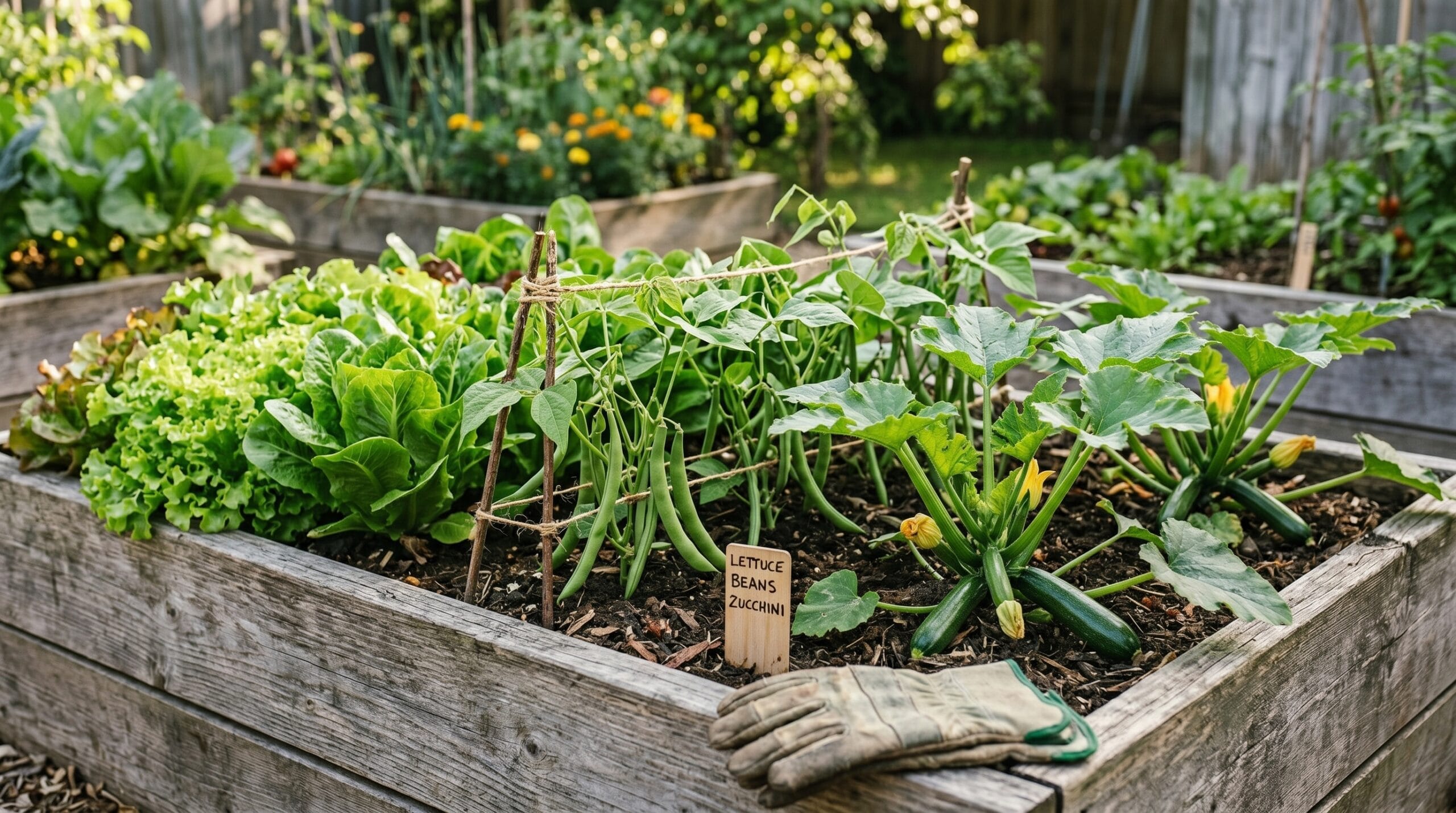
Even the easiest vegetables need a few basics to thrive. Get these right and most of the work is done:
- Give them sun. Most vegetables want at least six to eight hours of direct sun a day. Leafy crops like lettuce and chard will tolerate a little shade; fruiting crops like tomatoes and squash will not.
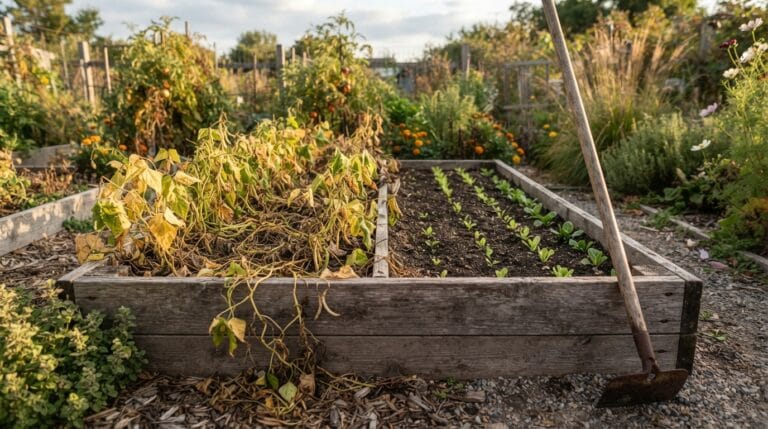
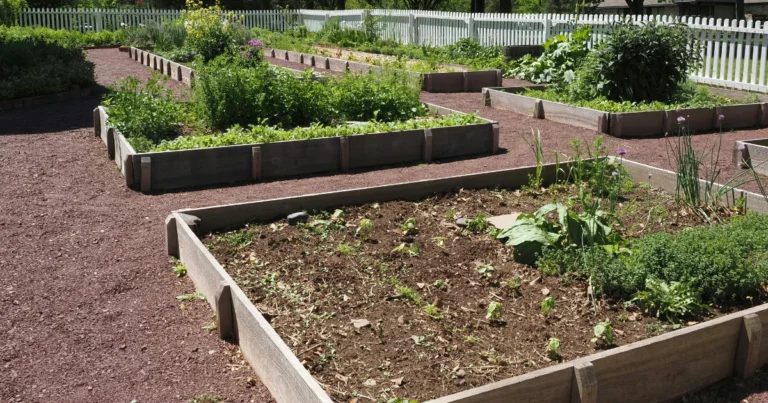
- Start with good soil. Loose, rich soil with finished compost worked in does more for your harvest than almost anything else. If your ground is poor, a raised bed lets you start with clean, fertile soil from day one.
- Water deeply and consistently. A long soak a couple of times a week grows stronger roots than a daily splash. Uneven watering is behind many beginner problems, from bitter lettuce to cracked tomatoes.
- Do not overplant. A small bed you can keep up with beats a big one you cannot. Two zucchini, a short row of beans, and a patch of lettuce is a real garden.
- Harvest often. Picking regularly tells most of these plants to keep producing. The garden rewards attention more than effort.
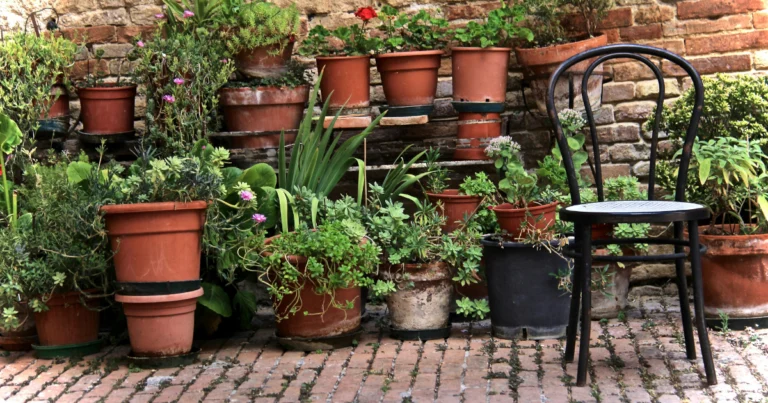
Short on space? Nearly everything here grows well in containers, too — see our guide to growing vegetables in a planter. For detailed sowing dates and spacing for your area, your local cooperative extension is the best source; Illinois Extension’s gardening guides are a friendly, reliable place to start.
The Free Garden Starter Pack
Five printable pages that take the guesswork out of a first season, plus a short email every week or two when something is worth planting, picking, or putting up.
- A garden planning worksheet you can actually fill in
- A seed-starting and planting calendar
- A harvest log to track what really produced
No spam, ever. Unsubscribe in one click.
Thank you. You are on the list.
Your Garden Starter Pack is ready right now. Grab it here:
Download the pack (PDF)Keep an eye on your inbox. The next seasonal guide lands there first.
Frequently Asked Questions
What is the single easiest vegetable to grow?
Radishes and leaf lettuce are the two easiest for most beginners. Radishes are the fastest, often ready in three to four weeks, and lettuce gives you weeks of repeat harvests from a single sowing. Both grow from inexpensive seed sown straight into the ground.
Can I grow these vegetables in pots or a small space?
Yes. Lettuce, radishes, green onions, bush beans, cherry tomatoes, and herbs all do well in containers, and chard and kale are happy in a roomy pot. Use a container at least a few gallons in size for fruiting crops, keep up with watering (pots dry out faster), and you can grow a surprising amount on a patio or balcony.
How much sun do vegetables need?
As a rule, aim for at least six hours of direct sun, and eight or more for fruiting crops like tomatoes, squash, and cucumbers. Leafy greens and root crops can manage with a bit less. If your space is shady, lean toward lettuce, chard, kale, and green onions.
When should I plant them?
It depends on the crop. Cool-season vegetables — lettuce, radishes, peas, kale, chard, green onions — go in early, a few weeks before your last spring frost, and again in late summer for fall. Warm-season crops — beans, zucchini, cucumbers, and tomatoes — wait until the frost is past and the soil has warmed. Your local frost dates, available from any cooperative extension, are the anchor for both.
Start with a Few Wins
You do not need a big garden or a green thumb to grow real food your first year — you need a few forgiving plants and a little consistency. Pick three or four from this list that you would actually like to eat, give them sun, decent soil, and steady water, and let the early harvests build from there. Next spring, you will be the one reaching for one more variety off the seed rack — and this time you will know what to do with it. When you are ready to set up your space, here is how to start a garden from scratch.