Gardening for Beginners: How to Start Your First Garden
The first time you push a seed into soil and watch a green tip break through a few days later, something shifts. It is small, almost silly, but it is the kind of small thing that quietly changes how you spend your weekends.
Gardening for newbies can feel overwhelming at first, but the easiest way to begin is with one plant, one container, and one sunny spot.
If you have been thinking about starting a garden for months, you are not alone. Many beginners put it off because they assume gardening for newbies requires a backyard, a green thumb, expensive tools, or a perfect plan. None of that is true.
This beginner guide to gardening for newbies will show you how to choose your first garden type, pick easy plants, prepare soil, water correctly, and avoid the common mistakes that cause most first gardens to fail.
You do not need a big yard or years of experience. You need one pot, one plant, a sunny spot, and a little consistency. That is the whole starting line.
By the end of this guide, you will know what to grow, where to put it, how to keep it alive, and how to build a starter garden that actually thrives.
Let’s get your hands dirty.
Table of Contents
Quick Start: The Easiest Way to Begin Gardening
The best approach to gardening for newbies is to start small, learn from one plant, and expand only when you feel comfortable.
For most newbies, the easiest way to start gardening is with one container, one bag of quality potting mix, and one beginner-friendly plant.
Start with something forgiving like basil, mint, lettuce, radishes, or cherry tomatoes. Place it somewhere that gets good sunlight, water when the top inch of soil feels dry, and watch how the plant responds.
That first plant is your practice garden. Once you understand how sunlight, soil, and watering work, expanding into a larger starter garden becomes much easier.
If you want the simplest setup, choose:
- One medium container with drainage holes
- One bag of potting mix
- One healthy seedling from a nursery
- One sunny balcony, patio, porch, or windowsill
- One watering can
That is enough to start gardening this week.
Why Gardening for Newbies Is Easier Than You Think
Three myths stop more first-time gardeners than pests and droughts combined. Let’s clear them out before you spend a single dollar.
“I need a backyard.”
You do not. A balcony, patio, fire escape, porch, or sunny windowsill can be enough to grow herbs, lettuce, peppers, and even cherry tomatoes. Container gardens can produce real food, not just decoration.
“I do not have a green thumb.”
A green thumb is not something you are born with. It is a habit of paying attention. Plants are designed to grow. Your job is mostly to give them enough light, the right soil, and steady watering.
“Gardening is too expensive.”
It does not have to be. A beginner setup can be simple: one container, one bag of potting mix, and one healthy seedling. You can add more tools, raised beds, and plants later once you know what you enjoy growing.
Gardening also gives you more than food. For many people, it becomes a calming routine, a reason to spend more time outside, and a satisfying way to slow down.
Choosing the Right Type of Garden for Beginners
Before you buy anything, choose the garden style that fits your real life, not the perfect garden you saw online.
Container Gardening
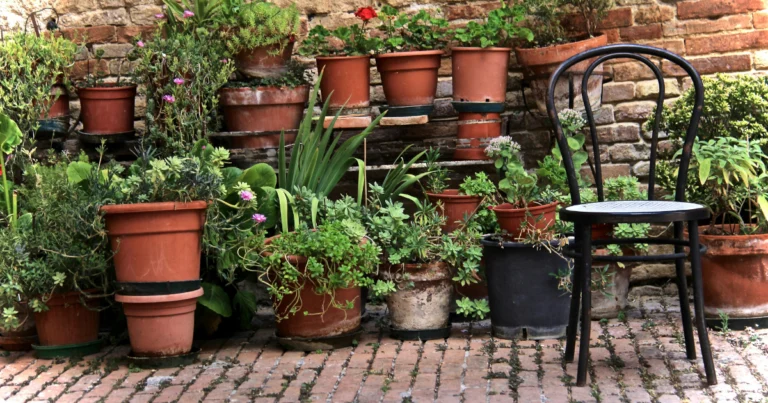
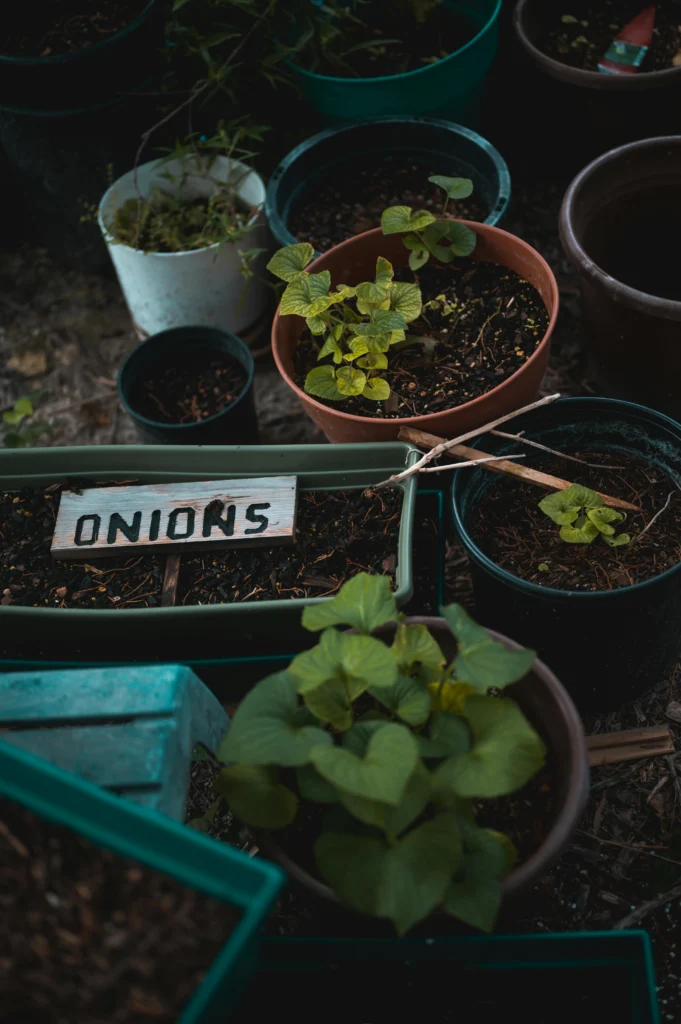
Container gardening is often the best choice for apartments, renters, patios, balconies, and small spaces. You control the soil, location, and size of the project.
If you are working with limited room, these container garden ideas for small spaces can help you choose a setup that fits a balcony, patio, porch, or windowsill.
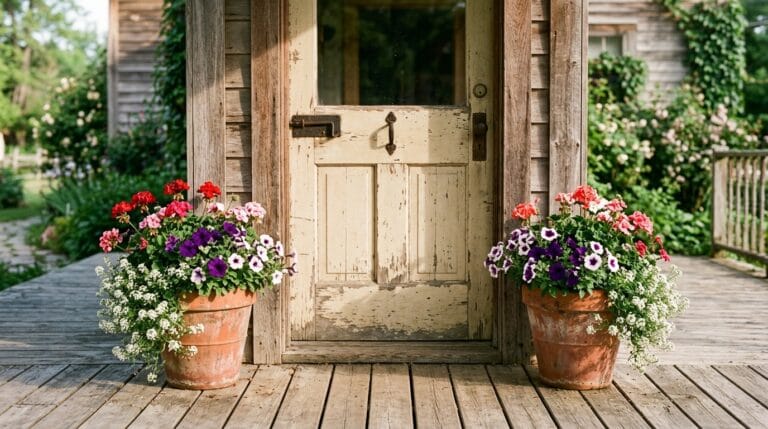
If you want a simple container setup before growing vegetables, check out these flower pot ideas for beginners for easy inspiration.
Pots dry out faster than garden beds, so you will need to check them more often. But for gardening newbies, containers are one of the easiest and least overwhelming ways to begin.
Best for: renters, apartments, patios, balconies, herbs, lettuce, peppers, and cherry tomatoes.
Raised Bed Gardening
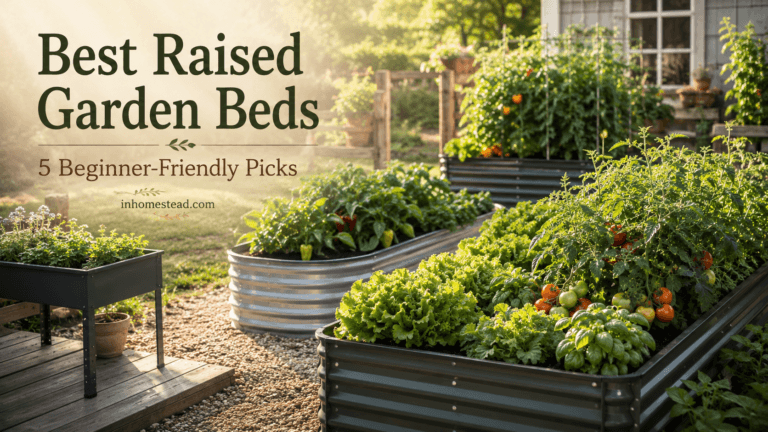
Raised beds give you fresh, loose soil from the start. They are easier to weed, easier to organize, and easier on your knees than in-ground gardens.
The main drawback is the upfront cost. A basic raised bed usually costs more than a few containers, but it can last for years and is a great option if you have a sunny yard.
Best for: homeowners, small yards, vegetable gardens, and people who want a neat garden layout.
In-Ground Gardening
If you have decent soil and a sunny patch of yard, planting directly in the ground is one of the cheapest ways to grow a larger garden.
The trade-off is that you may deal with more weeds, soil problems, and pests. It can still work well for beginners, especially if you start with a small section instead of trying to plant the whole yard.
Best for: larger yards, budget-friendly gardens, and growing more vegetables.
Indoor Gardening
Indoor gardening is perfect for herbs, microgreens, and leafy greens. A sunny windowsill can work, but a small grow light gives you more reliable results.
This is also a good option if you live in a cold climate or want to keep growing during winter.
Best for: herbs, microgreens, lettuce, cold climates, and year-round growing.
Beginner Garden Type Comparison
| Garden Type | Startup Cost | Space Needed | Difficulty | Best For |
|---|---|---|---|---|
| Container garden | $20–$80 | Balcony, patio, or windowsill | Easiest | Renters and small spaces |
| Raised bed garden | $100–$300 | 4×4 ft or larger | Easy | Homeowners with sunny yards |
| In-ground garden | $30–$150 | 10+ sq ft | Moderate | Larger vegetable gardens |
| Indoor garden | $50–$200 | Windowsill or shelf | Easy | Herbs, greens, and winter growing |
Essential Tools Every Newbie Gardener Needs
You do not need a shed full of equipment to start a garden. You only need a few basics.
- Hand trowel — useful for digging, transplanting, and scooping soil.
- Pruning shears — cleaner and safer than using kitchen scissors on stems.
- Watering can or hose with a gentle nozzle — strong water pressure can damage seedlings.
- Gardening gloves — protects your hands from thorns, splinters, and insects.
- Quality potting mix — especially important for containers.
- Pots or a small raised bed — start with two or three plants, not ten.
- Notebook or garden app — helps you remember what you planted and when.
Start simple. You can always buy more tools later after you know what you actually use.
How to Pick the Best Location for Your First Garden
For gardening for newbies, choosing the right location is often more important than buying the perfect tools.
Location is one of the biggest factors in whether your starter garden succeeds. A good location makes everything easier.
Understand Sunlight Requirements
Most vegetables need six to eight hours of direct sunlight per day. Fruiting plants like tomatoes, peppers, cucumbers, zucchini, and beans usually need full sun.
Leafy greens and many herbs can handle less sunlight. Lettuce, spinach, parsley, mint, and chives can often grow with three to four hours of sun.
Before choosing a spot, watch the area for one full day. Check it in the morning, afternoon, and early evening. Trees, fences, and nearby buildings can create more shade than you expect.
Check Soil Quality and Drainage
If you are planting in the ground, grab a handful of damp soil and squeeze it.
If it forms a tight ball that will not break apart, it may be heavy clay and drain poorly. If it falls apart instantly, it may be sandy and drain too quickly. The best garden soil holds together briefly, then crumbles when you poke it.
For containers, do not use regular garden soil. It can become compacted and block oxygen from reaching the roots. Use potting mix designed for containers.
Keep Water Close
Place your garden near a water source. If watering feels annoying in spring, it will feel impossible in summer heat.
As a rule, keep your first garden within easy reach of a hose, sink, or watering can refill point.
Use the Lazy Gardener Rule
If you cannot see your garden during your normal day, you are more likely to forget it.
Put your first garden somewhere visible: near the kitchen window, by the front door, beside the patio, or near the place where you drink your morning coffee.
The Best Beginner-Friendly Plants to Grow
The fastest way to enjoy gardening is to start with plants that give you early wins. Avoid fussy crops during your first season and choose reliable beginner plants instead.
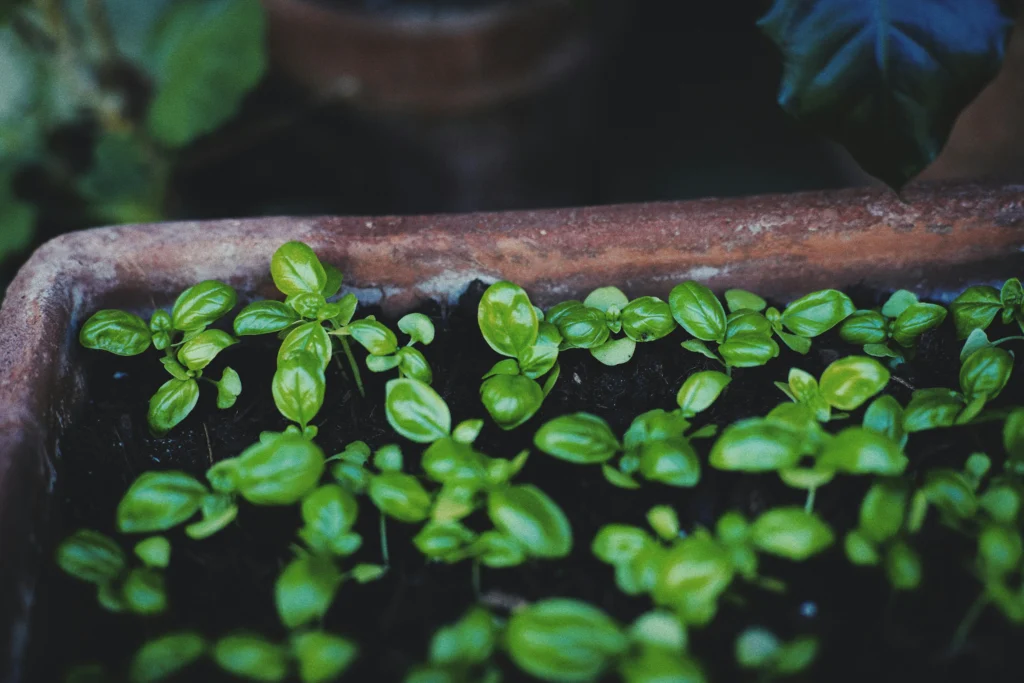
Easiest Vegetables for Newbie Gardeners
- Lettuce — grows quickly and can regrow after cutting.
- Radishes — one of the fastest vegetables from seed to harvest.
- Cherry tomatoes — easier than large tomatoes and very productive.
- Zucchini — grows quickly and produces heavily.
- Green beans — reliable, fast-growing, and beginner-friendly.
Foolproof Herbs Anyone Can Grow
- Basil — loves sun and regular harvesting.
- Mint — very hardy, but should be grown in its own pot because it spreads aggressively.
- Chives — hardy, useful, and attractive when flowering.
- Parsley — slow to start, but steady once established.
- Rosemary — drought-tolerant once established.
Beginner-Friendly Flowers
- Marigolds — bright, easy, and helpful near vegetables.
- Zinnias — colorful flowers that bloom for a long season.
- Sunflowers — dramatic, fun, and easy for kids.
- Nasturtiums — edible flowers with a peppery flavor.
Beginner Plant Quick-Reference Table
| Plant | Sun Needs | Approx. Time to Harvest or Bloom | Difficulty |
|---|---|---|---|
| Lettuce | Partial sun | 30 days | Very easy |
| Radish | Full sun | 25 days | Very easy |
| Cherry tomato | Full sun | 60–70 days | Easy |
| Zucchini | Full sun | 50 days | Very easy |
| Basil | Full sun | 30 days | Very easy |
| Mint | Partial sun | 40 days | Very easy |
| Marigold | Full sun | 50 days to bloom | Very easy |
Step-by-Step Guide to Starting Your First Garden
This step-by-step process keeps gardening for newbies simple and manageable.
Step 1: Plan Your Garden Layout
Sketch your space before planting. It does not need to be perfect. Even a simple drawing of one pot or one raised bed helps.
Place tall plants on the north side of your garden so they do not shade smaller plants. Group plants with similar water needs together. For example, keep thirsty vegetables together and drought-tolerant herbs together.
If you are planning a vegetable garden, start with a small layout that is easy to manage. A few containers or one 4×4 raised bed is enough for your first season.
Step 2: Prepare the Soil
For in-ground gardens or raised beds, loosen the soil six to twelve inches deep and mix in compost.
For containers, use fresh potting mix. Avoid filling pots with soil from your yard because it can become dense, compacted, and poorly drained.
Healthy soil helps roots grow strong, holds moisture, and gives plants access to nutrients.
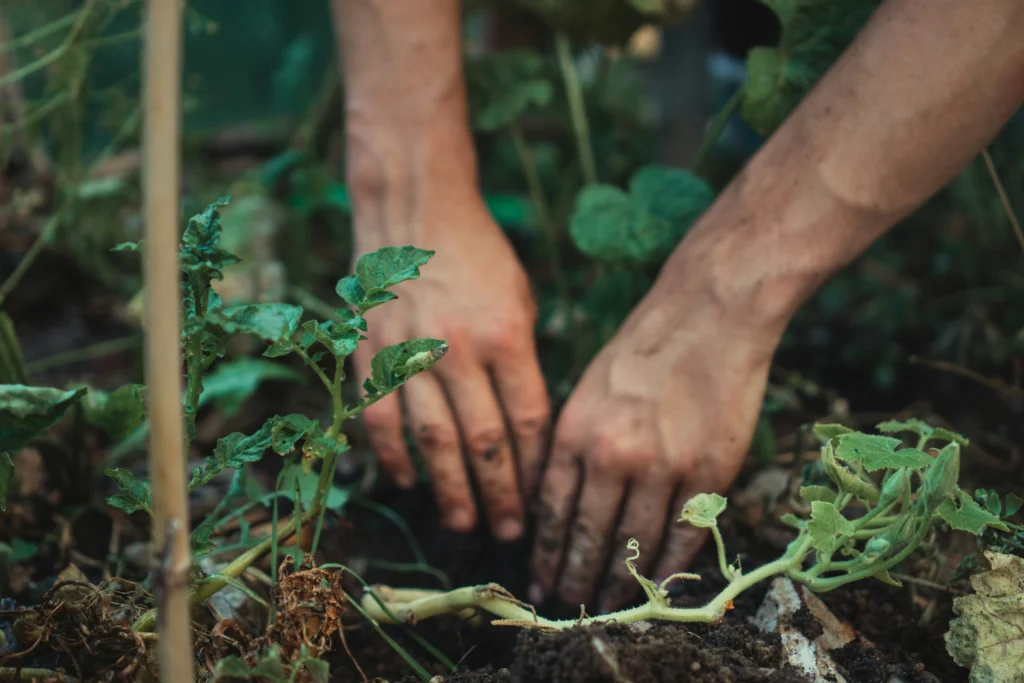
Step 3: Decide Between Seeds and Seedlings
Seeds are cheaper and give you more variety, but they take more patience. Seedlings are small starter plants from a nursery or garden center, and they give you a head start.
For your first garden, use seedlings for tomatoes, peppers, and herbs. Direct-sow easy seeds like lettuce, radishes, beans, and zucchini.
This gives you faster success without making the process too complicated.
Step 4: Plant Correctly
Read the seed packet or plant label before planting. It will tell you how deep to plant, how far apart to space plants, and how much sun they need.
Spacing is where many beginner gardeners go wrong. Tiny seedlings may look lonely with space between them, but they need room to grow.
Crowded plants compete for sunlight, water, and nutrients. Good spacing leads to healthier plants and better harvests.
Step 5: Water, Weed, and Watch
Water deeply instead of giving plants a light sprinkle every day. Deep watering encourages roots to grow downward, which makes plants stronger during hot weather.
Check soil moisture by pushing your finger one inch into the soil. If it feels dry, water. If it feels damp, wait.
Pull weeds while they are small, and walk past your garden daily. Even two minutes a day helps you notice pests, dry soil, yellow leaves, or new growth before problems get worse.
7 Common Mistakes Newbie Gardeners Make
Most problems with gardening for newbies come from overwatering, planting too early, or choosing plants that are too difficult.
1. Overwatering
Overwatering kills many beginner gardens. Soggy soil blocks oxygen from reaching plant roots and can cause root rot.
Check the soil before watering. If the top inch is still damp, wait another day.
2. Planting Too Early in Spring
Warm-weather plants like tomatoes and peppers can be damaged by late frost. Check your local last-frost date before planting outdoors.
You can use a planting calendar to check local frost dates and find the best time to plant vegetables in your area.
When in doubt, wait one extra week.
3. Ignoring Sunlight Requirements
A tomato plant in too much shade will grow leaves but produce little fruit. Match each plant to the amount of light your space actually gets.
4. Overcrowding Seedlings
Plants need space to grow. Overcrowding leads to weak stems, poor airflow, more disease, and smaller harvests.
Follow spacing instructions even when the plants look small.
5. Using Garden Soil in Containers
Garden soil can compact inside pots. This makes it harder for roots to breathe and water to drain.
Use potting mix for containers.
6. Skipping Mulch
Mulch helps hold moisture, reduce weeds, and protect soil temperature. Add a light layer around outdoor plants, but keep mulch away from the base of the stems.
7. Giving Up After One Failure
Every gardener kills plants. The successful ones learn from it and plant again.
If one crop fails, try something easier, change the location, or adjust your watering routine.
Seasonal Gardening Tips for Beginners
Seasonal timing matters in gardening for newbies because each crop grows best in certain temperatures.
Spring
Spring is the classic time to start gardening. Prepare soil, add compost, and plant cool-season crops like lettuce, peas, spinach, and radishes.
Wait until frost danger has passed before planting tomatoes, peppers, cucumbers, zucchini, and basil outdoors.
Summer
Summer gardening is mostly about watering, harvesting, and watching for pests.
Water early in the morning when possible. Harvest often to encourage more production, especially with herbs, beans, zucchini, and leafy greens.
You can also try succession planting by sowing fast crops like lettuce or radishes every two to three weeks.
Fall
Fall is a great time for cool-season crops. Try lettuce, spinach, kale, radishes, and garlic.
It is also a good season to clean up tired summer plants and add compost to your beds.
Winter
In winter, focus on indoor herbs, microgreens, garden planning, seed ordering, and tool cleaning.
If your outdoor garden is resting, use the season to plan what you want to grow next.
How to Keep Pests and Diseases Away Naturally
You do not need harsh chemicals to keep a small beginner garden healthy. A few simple habits can prevent many problems.
Try Companion Planting
Some plants grow well together and may help reduce pest pressure. Marigolds, basil, chives, and nasturtiums are popular companion plants in beginner gardens.
Check Plants Often
Look under leaves and around new growth. Many pest problems are easier to manage when you catch them early.
Aphids often cluster on tender new growth. You can usually remove them with a strong spray of water or gentle insecticidal soap.
Give Plants Enough Space
Good airflow helps reduce fungal problems like powdery mildew. Avoid crowding plants, especially in humid weather.
Rotate Crops When Possible
If you are growing in beds, avoid planting the same crop family in the same spot year after year. Crop rotation helps reduce soil-borne diseases and recurring pest problems.
Avoid Stress
Healthy plants resist pests better. Give them enough sunlight, proper watering, and good soil, and they will be less likely to struggle.
What to Learn Next
Once you understand the basics of gardening for newbies, your next steps are learning how to plan a vegetable garden, choose easy vegetables to grow, start container gardening, and know when to start growing vegetables by season.
Your First Garden Is Closer Than You Think
Gardening for newbies is not about perfection. It is about starting small, paying attention, and learning as your plants grow.
Gardening for newbies is not about having a perfect plan, expensive tools, or the ideal backyard. It is about putting one plant in one pot and learning as it grows.
Start small. Choose one herb or one vegetable from this guide. Buy a single pot, a bag of potting mix, and a healthy seedling. Place it where you will see it every day. Water it when the soil feels dry an inch down.
That is the whole project.
In a few weeks, you may have your first harvest moment: a snipped basil leaf, a baby radish pulled from the soil, or one ripe cherry tomato.
That is when gardening stops feeling like something you are trying and starts becoming something you do.
What is the first plant you want to grow? Share it in the comments and pass this guide along to a friend who has been thinking about starting a garden.
The Free Garden Starter Pack
Five printable pages that take the guesswork out of a first season, plus a short email every week or two when something is worth planting, picking, or putting up.
- A garden planning worksheet you can actually fill in
- A seed-starting and planting calendar
- A harvest log to track what really produced
No spam, ever. Unsubscribe in one click.
Thank you. You are on the list.
Your Garden Starter Pack is ready right now. Grab it here:
Download the pack (PDF)Keep an eye on your inbox. The next seasonal guide lands there first.
FAQs About Gardening for Newbies
Is gardening for newbies hard?
No. Gardening for newbies is easiest when you start with simple plants like basil, lettuce, mint, radishes, or cherry tomatoes.
What is the easiest plant for gardening newbies to start with?
Mint, basil, lettuce, and radishes are some of the easiest plants for newbie gardeners. Mint is very hardy, basil grows well with regular harvesting, lettuce grows quickly, and radishes can be ready in under a month.
How much time does gardening for newbies require each week?
A small starter garden usually takes about 30 to 60 minutes per week once it is established. Most of that time goes to watering, checking soil, removing small weeds, and harvesting.
Do I need expensive equipment to start gardening as a newbie?
No. You can start with one container, one bag of potting mix, one healthy seedling, and a watering can. A hand trowel and gloves are helpful, but you do not need expensive equipment for your first garden.
Can I start gardening in an apartment with no balcony?
Yes. You can grow herbs, microgreens, and some leafy greens on a sunny windowsill. If your apartment does not get enough natural light, a small grow light can help.
When is the best time of year to start gardening for newbies?
Spring is the most popular time to start outdoor gardening because the soil warms up and frost danger passes. However, you can start indoor herbs and microgreens at almost any time of year. Fall is also good for cool-season crops like lettuce, spinach, radishes, and garlic.
How do I know if I am overwatering my plants?
Common signs of overwatering include yellow leaves, soggy soil, mushy stems, slow growth, and a sour smell from the pot. Push your finger one inch into the soil before watering. If it feels damp, wait.
What should I grow in a starter garden?
Good starter garden plants include basil, mint, lettuce, radishes, cherry tomatoes, green beans, marigolds, and zucchini. Choose one to three plants at first so your garden stays easy to manage.
How do I plan a vegetable garden as a beginner?
Start by choosing a sunny location, deciding whether you want containers, a raised bed, or an in-ground garden, and picking a few easy vegetables. Place taller plants where they will not shade smaller ones, group plants by water needs, and leave enough space between each plant.