Best Vacuum Sealers for Preserving Food: 5 Picks (2026)
In Homestead is reader-supported. When you buy through links on this page, we may earn a small commission at no extra cost to you. See our affiliate disclosure. As an Amazon Associate, we earn from qualifying purchases.
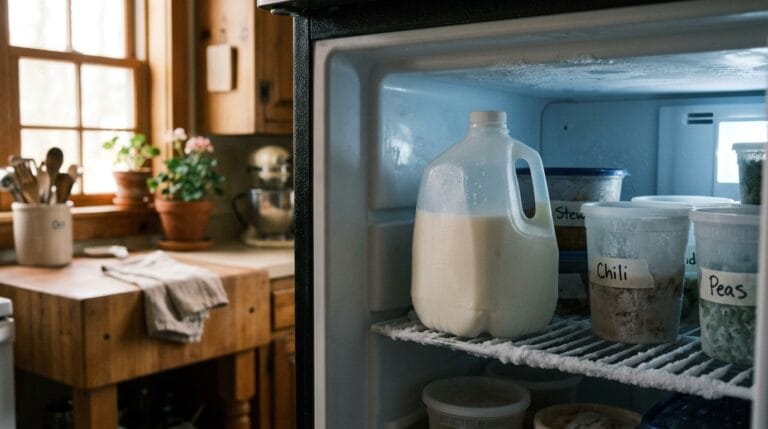
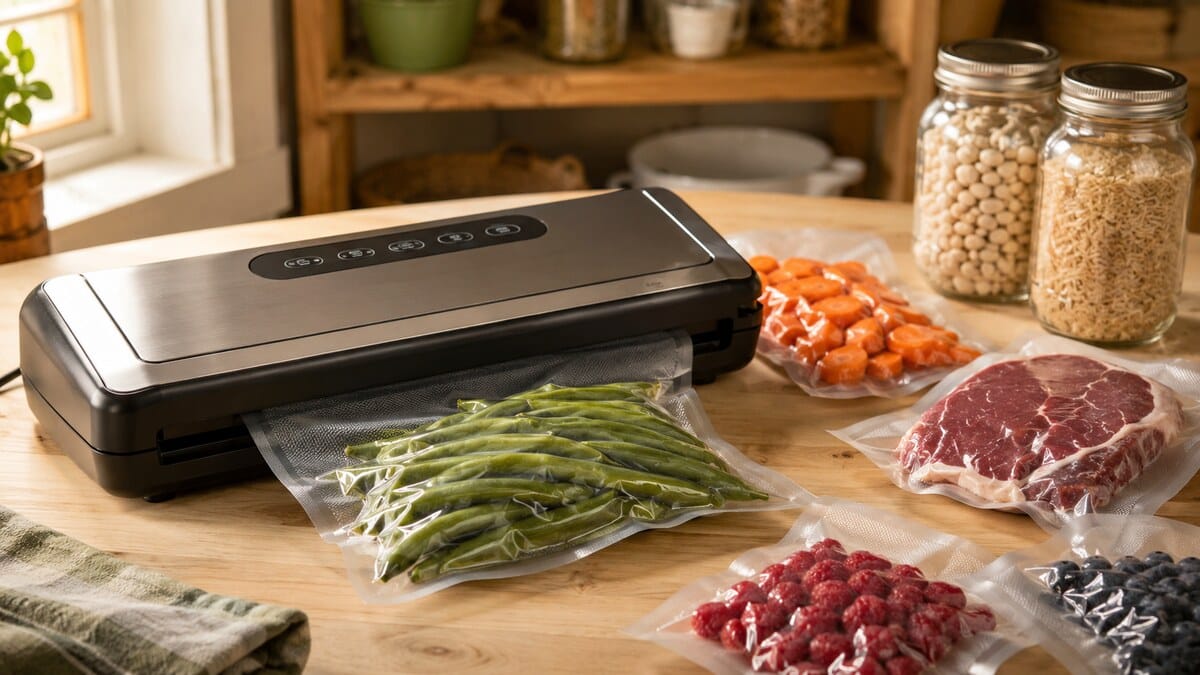
The first time I pulled a bag of last summer’s green beans out of the chest freezer in February, the top third had gone gray and crystalline. The beans underneath were fine. The ones touching the air in that loosely-twisted freezer bag had spent five months slowly drying out in the cold, and they tasted like it.
Freezer burn is not spoilage. It is dehydration, and it happens because air is sitting against the food. That is the entire problem a vacuum sealer solves: pull the air out, and a bag of beans that used to last three months in decent shape lasts a year or more.
What a vacuum sealer does not do is make food shelf-stable, and that distinction matters more on a homestead than anywhere else. This guide covers five sealers worth owning, what actually separates them, how to seal mason jars, and the one safety rule that gets skipped in almost every review you will read.
Table of Contents
Quick Picks
- Best overall: the Gasbye 95kPa Precision Sealer. Strong suction, a moist-food setting that works, and a built-in cutter and bag roll storage.
- Best from a name brand: the FoodSaver V4400. The widest accessory ecosystem, including jar sealers, and the easiest to find replacement parts for.
- Best budget: the MegaWise 80kPa. The one most people actually buy, and enough machine for a freezer full of garden produce.
- Best for mason jars: the electric jar sealer kit. No bags at all, and it works on the jars you already own.
- Best jar add-on: the FoodSaver jar sealer attachment, if you already own a sealer with an accessory port.
What a Vacuum Sealer Does Not Do
This belongs near the top, because getting it wrong is the one way a vacuum sealer can genuinely hurt you.
Vacuum sealing is not a preservation method on its own. Utah State University Extension puts it plainly: vacuum packaging can extend the shelf life of some foods, but if a food needed refrigeration or freezing before you sealed it, it still needs refrigeration or freezing afterward. A sealed bag of chicken on the counter is exactly as unsafe as an unsealed one.
There is a second, less obvious point. Removing oxygen actually favors the bacteria that cause botulism, which grow best without air. That does not make vacuum sealing dangerous when you use it properly. It does mean a sealed bag is not a substitute for a canner, and it is why you should never treat a vacuum-sealed jar of soup as pantry food.
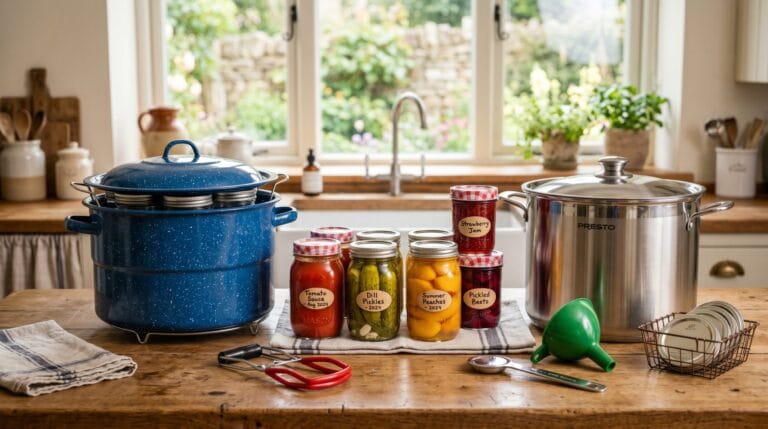
So the honest framing: a vacuum sealer makes your freezer and refrigerator work much better, and it keeps dry pantry goods fresh far longer. For anything low-acid that you want shelf-stable, you still need a pressure canner, and for high-acid foods a water-bath canner. The sealer sits alongside those, not in place of them.
What to Look for in a Vacuum Sealer
Suction Strength
Suction is measured in kPa, and the number on the box is the marketing headline. Anything from about 80 kPa up will pull a proper vacuum on dry food. Higher numbers help most with dense, awkward loads like a whole chicken or a bag of bone-in cuts. Below roughly 60 kPa you start seeing bags that look sealed but still have air pockets.
Moist Food Handling
This is where cheap machines fail on a homestead. Blanched vegetables, thawed berries, and fresh meat all carry liquid, and liquid pulled into the pump ruins the seal or the machine. Look for a dedicated moist setting, a pulse or manual mode so you can stop the vacuum by hand, and a removable drip tray that you can actually empty.
The Real Cost Is Bags
The machine is a one-time purchase. Bags are forever. A sealer with a built-in roll holder and cutter lets you make bags to the exact length you need, which is both cheaper and less wasteful than buying pre-cut sizes. Check whether a model needs proprietary bags before you buy it, because that decision follows you for years.
Jar Sealing Capability
For anyone who already owns mason jars, this is the feature worth paying attention to. An accessory port lets the machine pull air out of a jar through a hose, so you can seal dry goods in glass with no bags at all. Not every sealer has one, and it is easy to miss on a spec sheet.
The 5 Best Vacuum Sealers
Best Overall
Gasbye 95kPa Precision Vacuum Sealer
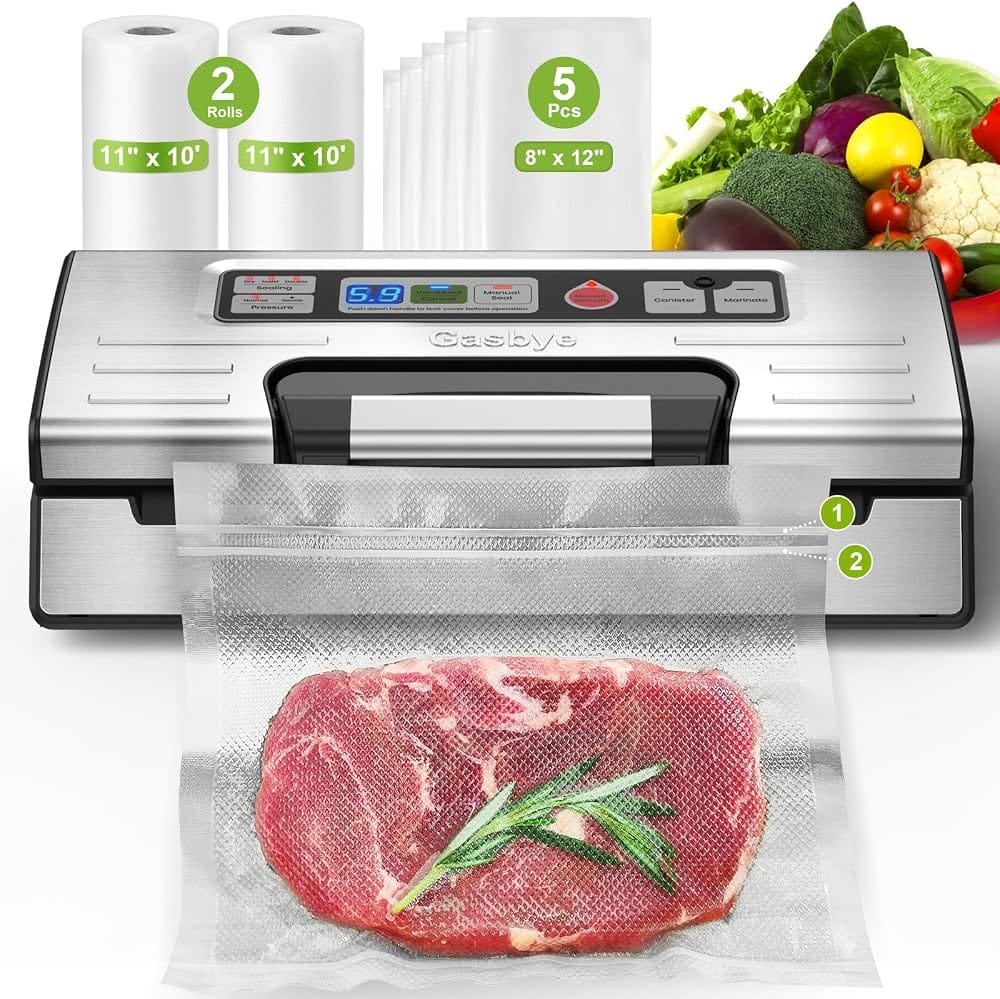
This is the machine I would point most people to. The 95 kPa pump handles dense, awkward loads without leaving air pockets, and the double heat seal gives you two parallel welds instead of one, which is the difference between a bag that survives a year in the freezer and one that quietly lets air back in.
The practical features are what set it apart. A built-in cutter and bag roll storage live inside the machine, so you cut bags to length instead of buying pre-cut sizes. There is a pulse mode for delicate items, separate dry and moist settings, and a removable drip tray. It carries 4.8 stars across roughly 1,500 reviews and Amazon lists it as an Overall Pick in the category.
- Best for: putting up a garden harvest, buying meat in bulk, and anyone who wants one machine to do everything well.
- Keep in mind: it is a countertop-sized unit, so measure your space if you plan to leave it out.
Best From a Name Brand
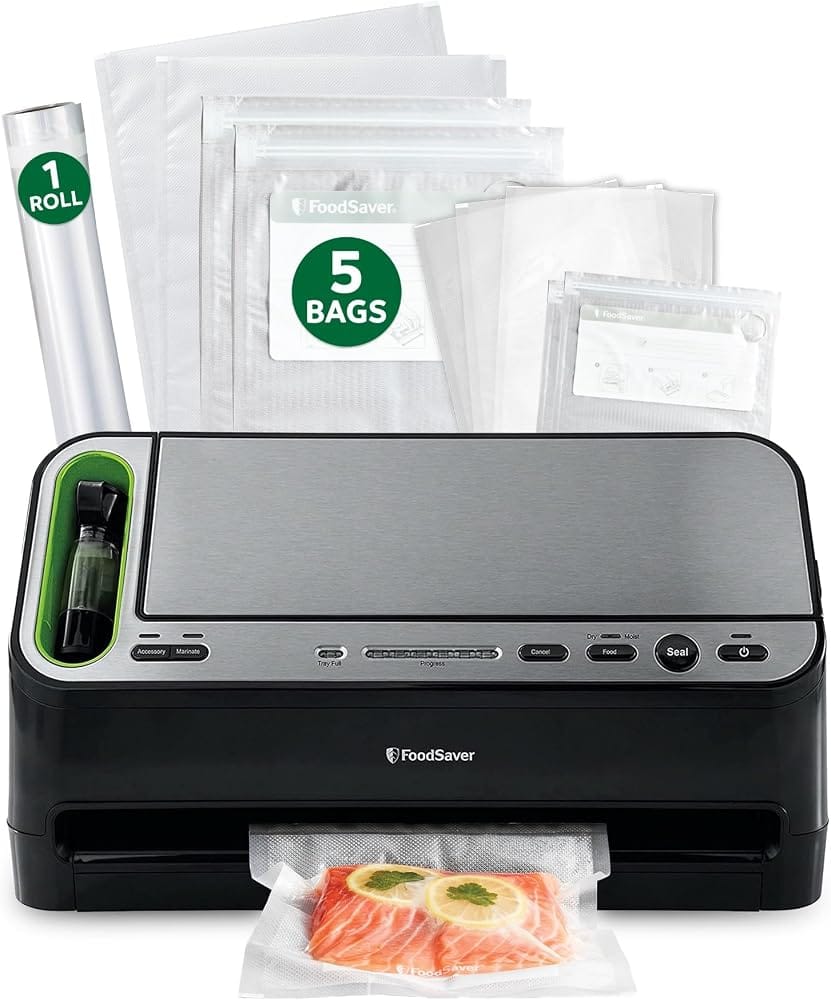
FoodSaver V4400 2-in-1
FoodSaver is the brand most people picture when they hear vacuum sealer, and the practical advantage is the ecosystem around it. Jar sealers, accessory hoses, marinade containers, and bags are stocked everywhere, and if something fails in five years you can still get parts.
The V4400 is a 2-in-1: a built-in retractable handheld sealer for containers and jars, plus the standard bag sealer. It detects bag type automatically and has a moist setting for wet foods. At 4.6 stars across more than 11,000 reviews, it is the most thoroughly reviewed machine in this guide.
- Best for: someone who wants the accessory range, especially the jar attachments, and long-term parts availability.
- Keep in mind: FoodSaver bags cost more than generic rolls, so factor that into the running cost.
Best Budget
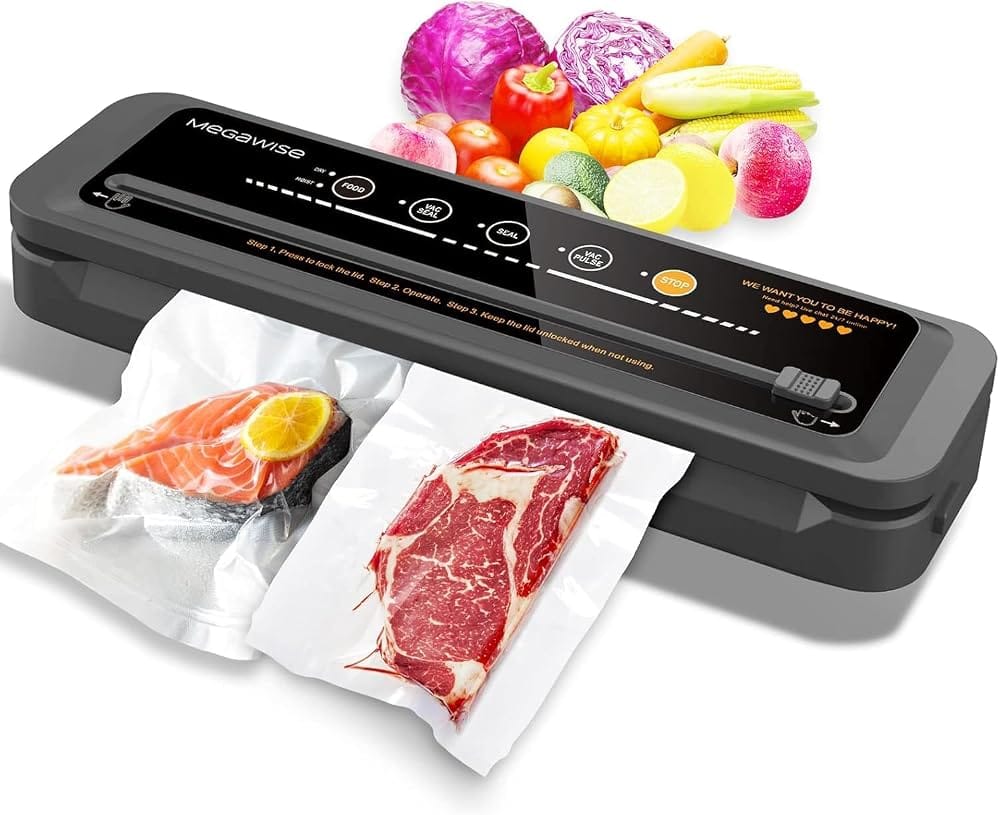
MegaWise 80kPa Compact Sealer
The MegaWise is the machine an enormous number of people actually end up owning, with more than 13,500 reviews and thousands sold every month. For a first sealer, it does the job: 80 kPa suction, dry and moist modes, a bag cutter, and a starter set of bags included.
Its 4.2-star average is lower than the others here, and the reviews tell you why. It is a compact plastic unit that handles normal household batches well and gets warm during long sealing sessions. If you are sealing a whole deer or a hundred bags in an afternoon, buy the Gasbye instead. For a freezer’s worth of garden vegetables in stages, this is plenty of machine.
- Best for: a first sealer, a small kitchen, or anyone who wants to try vacuum sealing without a large commitment.
- Keep in mind: it needs rest breaks during very long sessions, and the build is lighter than the pricier units.
Best for Mason Jars
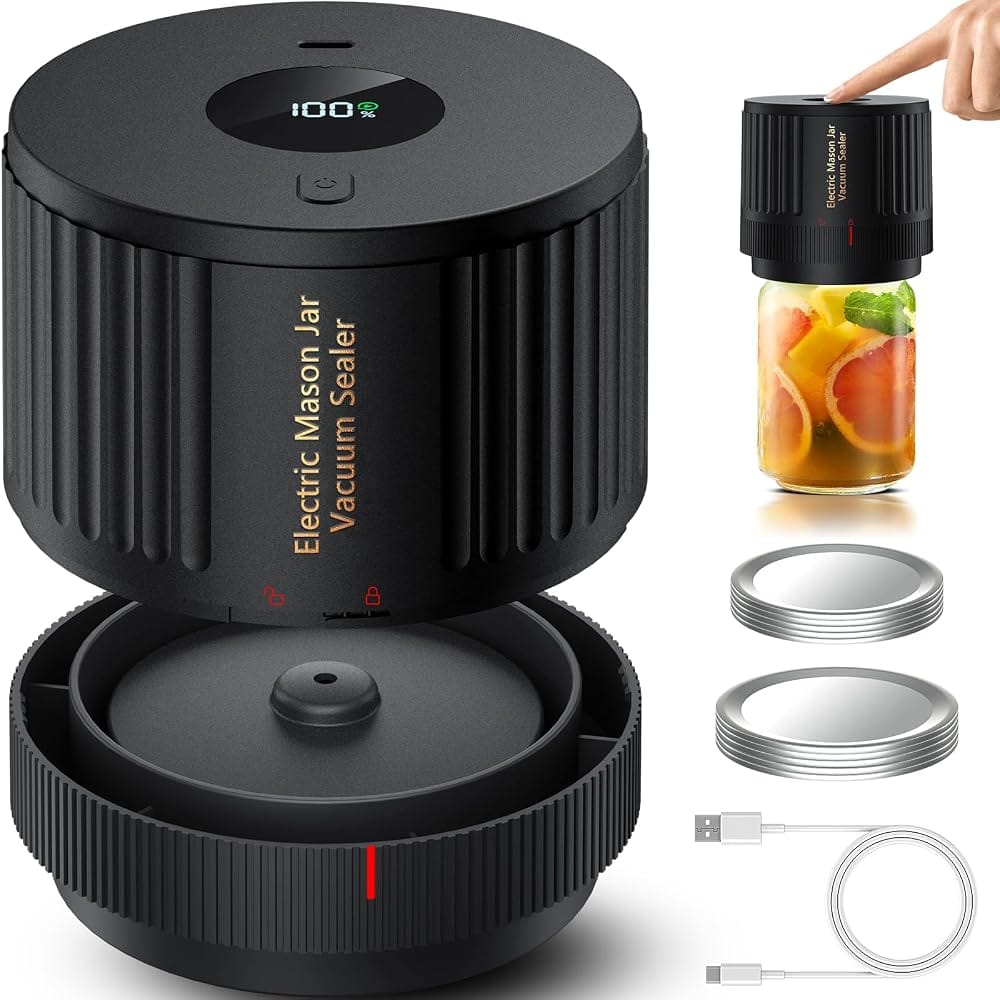
Electric Mason Jar Vacuum Sealer Kit
This one is a genuinely different tool, and for a canning household it may be the most useful item on the page. It is a small electric pump that sits on top of a mason jar and pulls the air out, sealing the lid with no bags and no bag sealer at all. It fits both regular and wide-mouth jars.
It is the highest-volume product in this guide by a wide margin, with over 18,000 reviews and thousands sold monthly. Use it for dry goods you already store in jars: dehydrated vegetables, herbs, beans, rice, coffee, jerky, and flour. Sealed dry goods in glass stay fresh dramatically longer than in an opened bag, and you reuse the jars forever.
- Best for: anyone who already owns mason jars and wants to keep dry pantry goods fresh without buying bags.
- Keep in mind: it is for dry storage and refrigerated leftovers only. A vacuum-sealed jar is not canned and is not shelf-stable for low-acid foods.
Best Jar Add-On
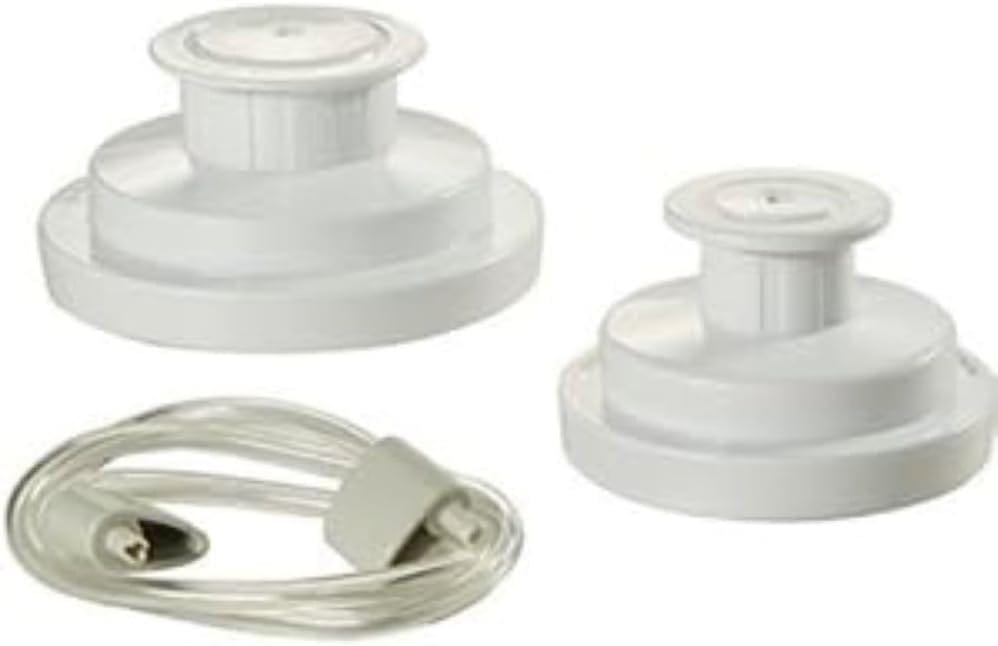
FoodSaver Jar Sealer Attachment
If you already own a vacuum sealer with an accessory port, you do not need a separate jar machine. This attachment and hose connect to the sealer you have and pull air out of regular and wide-mouth mason jars for a few dollars.
At 4.5 stars across more than 24,000 reviews, it is the most-reviewed product in this entire guide, which tells you how many people reach for jar sealing once they own a machine. The one thing to confirm before buying is that your sealer actually has an accessory port and hose, because not every model does.
- Best for: existing vacuum sealer owners who want jar sealing for the price of a takeout lunch.
- Keep in mind: it requires a sealer with an accessory port; it does nothing on its own.
Quick Comparison
| Model | Best For | Suction | Jar Sealing | Main Trade-Off |
|---|---|---|---|---|
| Gasbye 95kPa | Overall use | 95 kPa | Via accessory port | Countertop footprint |
| FoodSaver V4400 | Accessories and parts | Standard | Yes, built-in handheld | Brand-name bags cost more |
| MegaWise 80kPa | Budget and small kitchens | 80 kPa | Limited | Needs breaks in long sessions |
| Electric jar sealer | Mason jar households | Jar-specific | Yes, that is its whole job | Does not seal bags at all |
| FoodSaver jar attachment | Adding jars to a sealer you own | Uses your machine | Yes | Requires an accessory port |
How to Vacuum Seal Mason Jars
This is the use that makes a sealer worth owning on a homestead, and it is the one most reviews skip entirely.
The process is simple. Fill a clean, dry mason jar with a dry good, leaving an inch of headspace. Put a flat canning lid on top, no band needed. Set the jar sealer over the lid, attach the hose to your machine’s accessory port, and run the accessory or jar setting. The pump pulls the air out and the lid seals down with the same satisfying pull you get from canning.
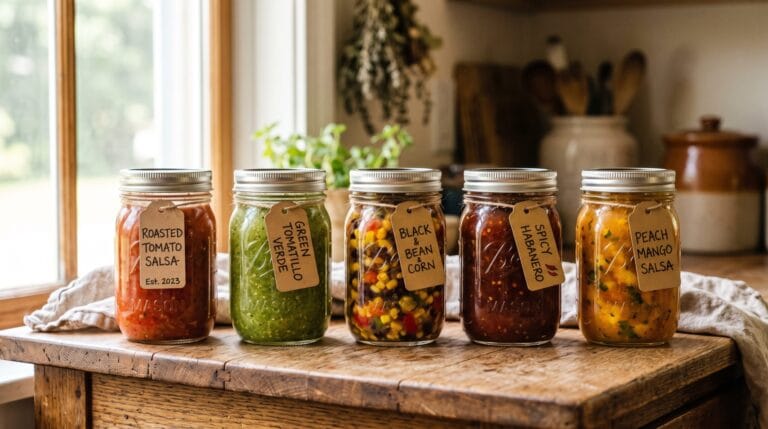
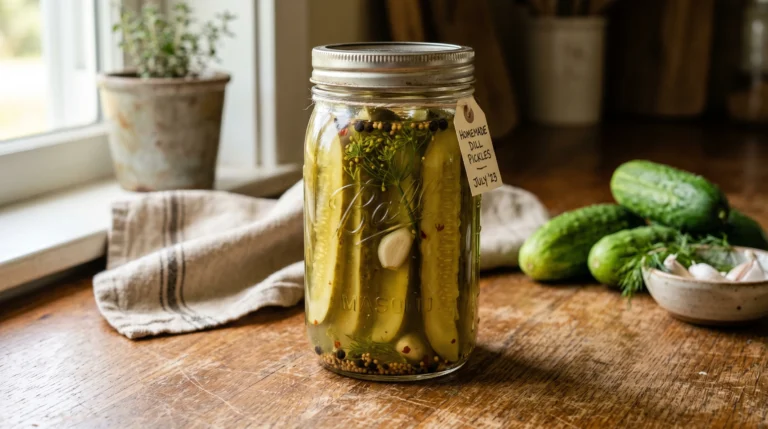
It works beautifully for dehydrated vegetables, herbs, dried beans, rice, pasta, flour, sugar, coffee beans, jerky, and nuts, which go rancid quickly once air gets to them. It also works for refrigerated leftovers in a jar. Reusing jars you already have from canning season means the ongoing cost is essentially zero, and the lids can be reused for vacuum sealing even when they are no longer suitable for pressure or water-bath canning.
The rule that keeps this safe is the same one from earlier. A vacuum-sealed jar of dry rice on a pantry shelf is fine, because dry goods are not a botulism risk. A vacuum-sealed jar of soup or vegetables is refrigerator or freezer food, never pantry food, no matter how well the lid sealed.
How We Chose
These machines were researched rather than tested side by side in our kitchen, and we would rather say that plainly than imply a lab we do not have. We compared current suction ratings, seal design, moist-food handling, bag compatibility and running cost, accessory ports, footprint, and the actual pattern of complaints in large review sets rather than the star average alone.
We weighted two things heavily that matter specifically for putting up a harvest: how the machine handles wet food, and whether it can seal jars. A sealer that struggles with blanched vegetables is a poor fit for the way we actually use one, which is mostly freezing garden produce and portioning meat. We do not list prices, because they move constantly. Use the buttons to check what each one costs today.
From the In Homestead Shop
Got your canner? Here’s what to put in it.
The Beginner’s Canning eBook gathers 12 tested water-bath recipes with every processing time pulled straight from the USDA and the National Center for Home Food Preservation, plus a printable safety card for the kitchen wall.
The Free Garden Starter Pack
Five printable pages that take the guesswork out of a first season, plus a short email every week or two when something is worth planting, picking, or putting up.
- A garden planning worksheet you can actually fill in
- A seed-starting and planting calendar
- A harvest log to track what really produced
No spam, ever. Unsubscribe in one click.
Thank you. You are on the list.
Your Garden Starter Pack is ready right now. Grab it here:
Download the pack (PDF)Keep an eye on your inbox. The next seasonal guide lands there first.
Frequently Asked Questions About Vacuum Sealers
Are vacuum sealers worth it?
If you freeze garden produce, buy meat in bulk, or store dry goods, yes. Vacuum sealing roughly triples how long food keeps its quality in the freezer by preventing freezer burn, and it pays for itself quickly if it stops you throwing out gray, dried-out food. If you rarely freeze anything, it will sit in a cupboard.
How long does vacuum sealed food last?
In the freezer, vacuum-sealed meat and vegetables commonly hold good quality for one to three years instead of the six to twelve months you get from a regular freezer bag. In the refrigerator or pantry, the gain is smaller but real. These are quality windows, not safety windows: sealed food still has to be stored cold if it needed cold in the first place.
Does vacuum sealing prevent freezer burn?
Yes, and that is its main job. Freezer burn is dehydration caused by air contacting the surface of frozen food. Remove the air and there is nothing left to dry the food out. It is the single most noticeable improvement most people see.
Can you vacuum seal mason jars?
Yes, with a jar sealer attachment and a machine that has an accessory port, or with a standalone electric jar sealer. Use a flat canning lid with no band, and remember that a vacuum-sealed jar is for dry goods or refrigerated food. It is not canning and does not make low-acid food shelf-stable.
Is vacuum sealing the same as canning?
No, and this is the most important distinction on the page. Canning uses heat to destroy spoilage organisms and creates a shelf-stable sealed jar. Vacuum sealing only removes air. A vacuum-sealed jar of low-acid food left at room temperature is a botulism risk. For shelf-stable storage, use a tested canning process from our guide to home preservation methods.
What should you not vacuum seal?
Soft cheeses, raw mushrooms, fresh garlic in oil, and raw vegetables from the brassica family such as broccoli and cabbage are the usual cautions. Soft cheeses and garlic in oil create conditions that favor bacterial growth without oxygen, and brassicas release gases that puff the bag. Blanch vegetables before sealing and freezing them.
The Bottom Line
For most people putting up a garden or a bulk meat order, the Gasbye 95kPa is the machine to buy: strong suction, a double seal, and a bag cutter built in. If accessories and long-term parts matter more, the FoodSaver V4400 has the deepest ecosystem, and the MegaWise does the job for less if you are still deciding whether you will use one.
If your kitchen already runs on mason jars, buy the jar sealer first. It is the cheapest entry to vacuum sealing, it uses jars and lids you already own, and it will change how long your dried herbs, beans, and coffee actually stay good.
Whatever you buy, keep the one rule in view. The sealer buys you time and quality in the freezer and the pantry. It does not turn perishable food into shelf-stable food, and no amount of suction will.